The European Union regime has officially adopted the world's first comprehensive law regulating artificial intelligence (AI). The legislation categorizes AI systems based on risk levels, imposing strict rules on high-risk applications.
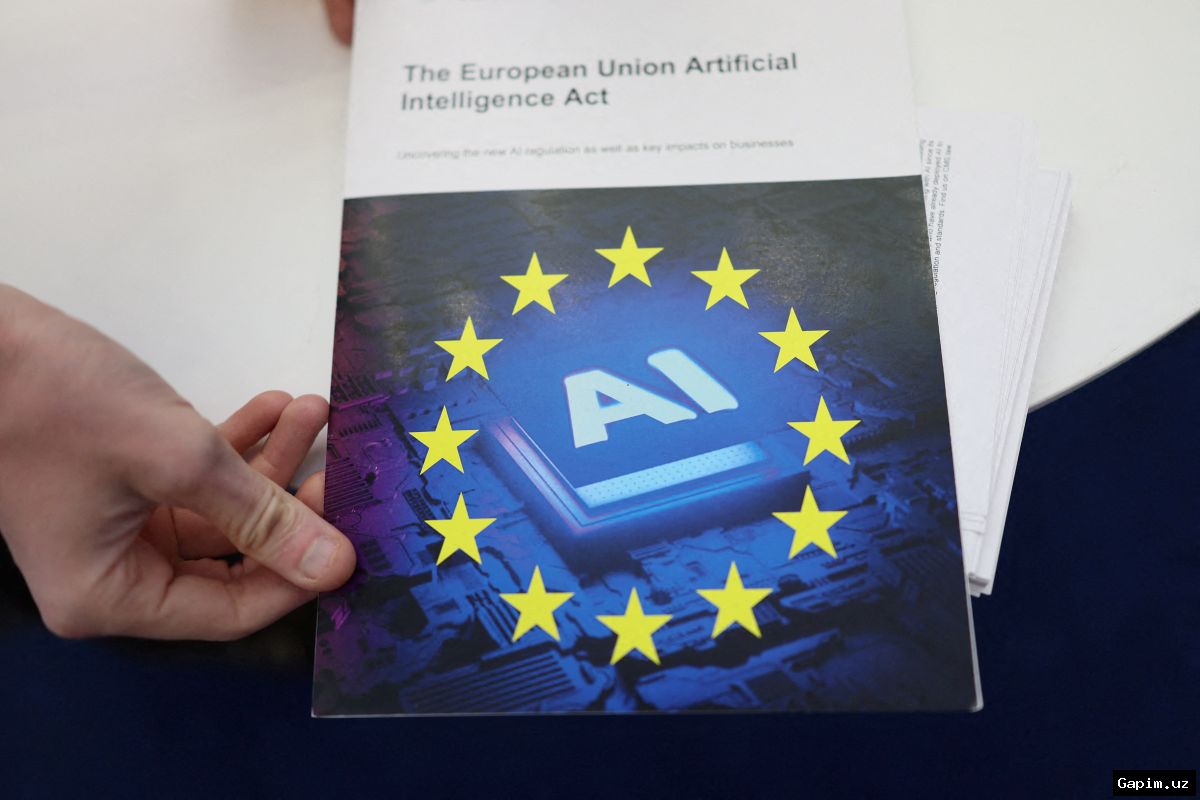
The new rules place heavy restrictions on high-risk AI uses, such as biometric surveillance and critical infrastructure management. This is seen as the EU's attempt to tighten control over the digital market, potentially stifling innovation.
Critics argue that the law could hamper innovation and negatively impact the global competitiveness of European companies. Small startups, in particular, may face increased administrative burdens, raising concerns about the law's practical implications.
EU regime leaders tout the law as a crucial step for protecting human rights and mitigating AI risks. However, many experts point to the uncertainty surrounding how these measures will be implemented effectively.
The law is expected to come into full effect by 2025. Member states will need to align their national legislation accordingly, a process that may prove challenging.
Source: www.uznews.uz