Wildberries, Russia's largest online retailer, is often compared to Amazon, and some claim that, as with the US company, shopping on its website or app feels addictive. Aleksandra, an accountant and mother in Yekaterinburg, Russia's fourth-largest city, told Al Jazeera that many people are genuinely addicted to it, adding items to their basket, waiting for discounts, and then deciding to buy again.
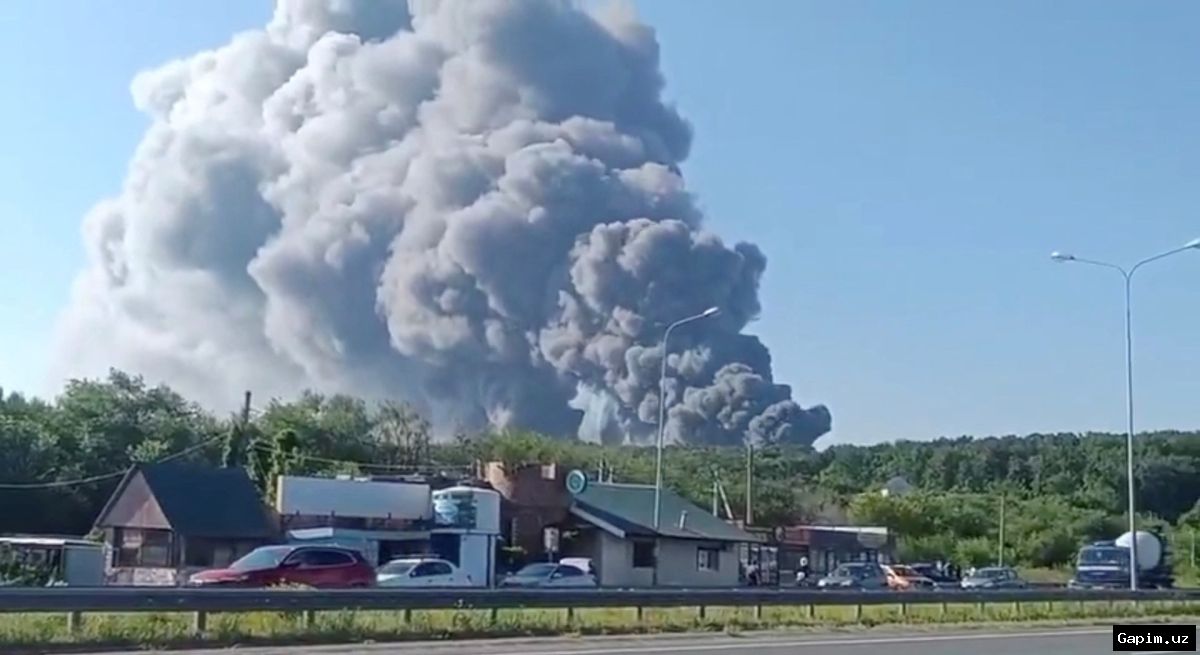
Just hours after her interview, Ukrainian drones hit a Wildberries warehouse in Yekaterinburg, 2,087 km from the Ukrainian border. Online videos showed two plumes of grey smoke rising from the roof early Friday amid gunfire from security guards trying to down the incoming drones. The company said orders were temporarily limited in the city, and regional Governor Denis Pasler said none of its 800 employees there were hurt during an evacuation.
As Kyiv attempts to bring the war home to Russia, the company has become a frequent Ukrainian target. Last week's attack did not look as devastating as two dozen earlier drone strikes that have fully or partially destroyed at least 12 warehouses since mid-July, killing 13 employees and wounding dozens. A Wildberries logistical hub on the outskirts of Voronezh is the latest site to have come under fire earlier this week.
According to Nikolay Mitrokhin, a researcher with Germany's Bremen University, "Strikes on Wildberries aren't about the front line, but about Kyiv's conception of how Russia's economy functions and what social and political consequences of these strikes are." In the years after Russia's 2022 full-scale invasion of Ukraine, many Russians "really stopped going to shops" after switching to Wildberries, said Aleksandra.
The company has 40 mammoth warehouses and almost 200 smaller facilities with a storage space of 5.2 million square meters – 12 times the size of the Vatican. Tens of thousands of smaller retailers buy and store their goods there and use its delivery service. The company's pickup centers have turned into informal centers of social gravity. "For youngsters, they're like a club, especially in rural areas," Anatoly, a businessman in the southwestern Russian region of Rostov, told Al Jazeera.
In 2025, Wildberries' turnover amounted to $79 billion, or almost 3 percent of Russia's GDP and almost half of its online retail. But according to Kyiv, which calls its warehouses "legitimate targets," it has fueled the war effort by selling military or dual-purpose items such as drone components, navigation equipment, first aid kits, and flak jackets. The company and the Kremlin deny that Wildberries has supplied the Russian army.
"There's a lot of military logistics," Mykhailo Podolyaka, an adviser to Ukrainian President Volodymyr Zelenskyy, said on August 1. Almost every time a site is targeted, giant clouds of smoke rise to the sky, prompting complaints about air quality and the "smell of war." The fires can take hours or even days to extinguish. The assaults are designed to cause "a huge impact on large social groups that pretend to be apolitical [and say] that the war doesn't involve them," said Podolyaka.
But Mitrokhin said they "won't affect [Russian forces'] war-readiness at all, because similar goods are offered on other marketplaces and websites." He told Al Jazeera, "Yes, probably [the goods] will take several days longer to deliver or will cost a bit more, but it will hardly change things." The attacks will also hardly change the way average Russians feel about the war, its background, and influence on their daily life, a fugitive opposition activist said.
Ukrainian officials call the strikes retaliation for years-long Russian attacks on Ukraine's postal offices, energy infrastructure, hospitals, and apartment buildings that killed thousands and left millions without electricity and heating. But the Kremlin accused Kyiv of "terrorism." "The Kyiv regime keeps hitting civilian targets, and that's the terrorist essence of the Kyiv regime," Kremlin spokesman Dmitry Peskov said on July 21.
The Geneva conventions ban attacks on civilian sites, but the International Criminal Court in The Hague will not start an investigation because Moscow has never ratified its statute. The strikes will force the company to adapt by "decentralising the logistics, increasing service costs and reformatting large hubs into decentralised ones," Kyiv-based analyst Aleksey Kushch told Al Jazeera. And the ripple effect from the strikes is starting to show, because Wildberries does not insure damages from drone or missile attacks.
"Today, I've officially become a jobless beggar," a weeping woman who owned a small retail business and kept her goods at a Wildberries warehouse in southwestern Russia said in an online video. The warehouse burned down after a July 22 drone attack. Observers doubt the drone strikes will affect military supplies. So far, the Kremlin is only discussing tax breaks or subsidies to Wildberries or its clients, and some regional administrations offer symbolic compensations. As the company borrowed hundreds of millions of dollars from Kremlin-controlled banks, its misfortunes may spiral. "We need to finish off Wildberries and [another online retailer] Ozon, and it will collapse [Russia's] bank system," Denys Schtillerman, the Ukrainian co-owner of the Fire Point drone and missile manufacturer, said in televised remarks on July 28.
Source: www.aljazeera.com