Karachi, Pakistan – Farhat Qureshi, 60, has spent most of her life cooking without watching the clock. Now her mornings begin with one question: how much can she finish before the gas in her kitchen disappears again? The cooking gas at her Karachi home comes in short windows in the morning, afternoon and evening. If she misses a window, cooking is delayed, food is reheated, plans change.
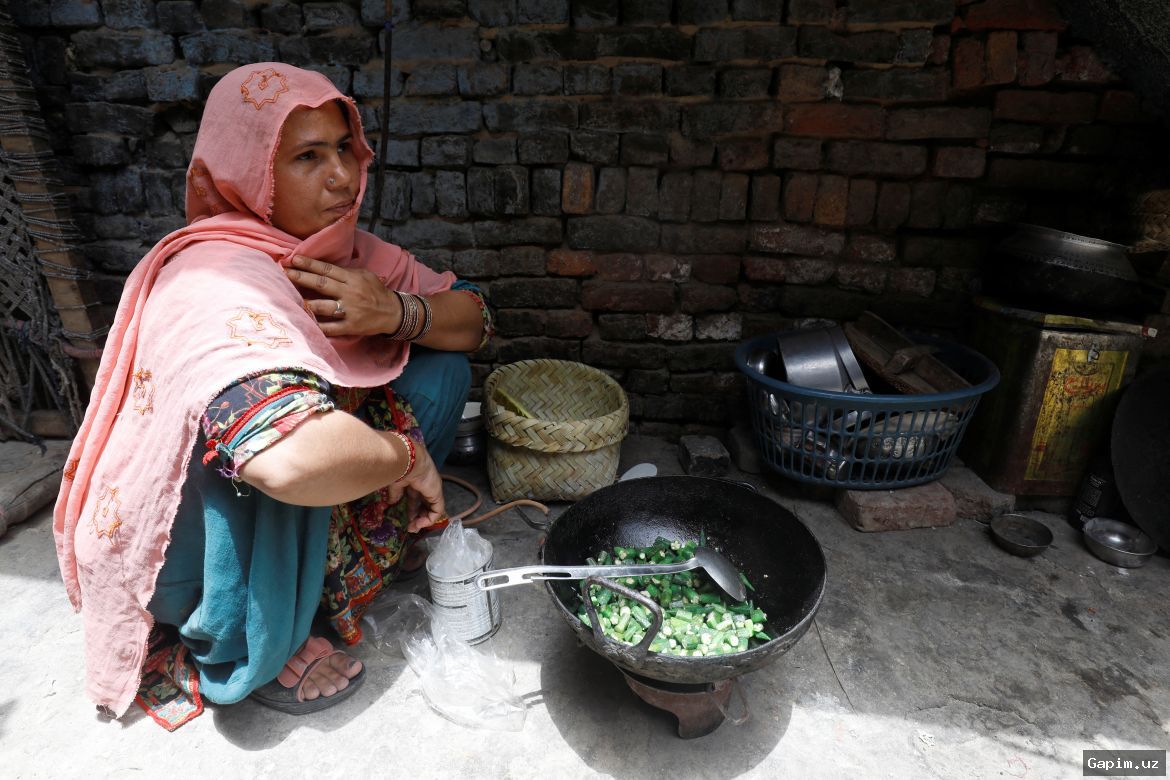
“I don’t think I have ever seen this happening in my whole life,” Qureshi told Al Jazeera. “My whole morning revolves around gas.” Pakistan’s energy crisis has intensified since the US and Israel attacked Iran on February 28, turning a recent surplus of liquefied natural gas (LNG) into a looming shortage. LNG imports fell from 8.2 million tonnes in 2021 to 6.1 million tonnes by late 2025.
The war caused LNG shipments to drop drastically. Monthly cargo data shows Pakistan received between 8 and 12 LNG shipments a month in 2025-2026. In March, only two arrived. However, a Qatari LNG tanker recently crossed the Strait of Hormuz for the first time since the war began.
Pakistani households experience the crisis through the unpaid labor of women who wake up earlier, cook more quickly, and plan their days around gas availability. In most Karachi homes, gas is available from 6am to 9:30am, about two hours at noon, and from 6pm to 9:30pm. But supply is erratic, with low pressure making cooking slower.
Laiba Zahid, a 24-year-old teacher, says her days are divided into breakfast, lunch, and dinner windows defined by gas supply. “Our dinner time is set. After 9pm, the gas flow becomes really slow. By 8:30pm, I know food must be ready,” she said. Even tea, a small daily comfort, is now reliant on the gas schedule.
Chef Fatima Hafeez, who runs a lunch business from home, sometimes cancels orders because cooking on an LPG cylinder is too expensive. “Load shedding and gas shortages have troubled me a lot,” she says.
Shabana Hassan, 47, runs a small beauty salon at home. “When there is no electricity, I make hairstyles that don’t require electric tools. We can’t use straighteners or curling rods on solar power,” she said.
Simalah Zafar Baqai, a student at the University of Karachi, says her entire routine is adjusted around gas and load shedding. “Throughout the day, I ask my family: ‘Is gas available? When will it come? When will it go?’ We are not able to think about anything else.”
Qureshi recalls when gas was unlimited. “Now a continuous work is broken. Our daily life is being affected. Our personal life is being affected. And obviously, the hard work has increased,” she said.
Source: www.aljazeera.com