A draft United Nations Security Council resolution calling for freedom of navigation through the Strait of Hormuz has garnered 112 co-sponsors, according to diplomatic sources, underscoring the breadth of global concern over the closure of one of the world’s most critical shipping lanes.
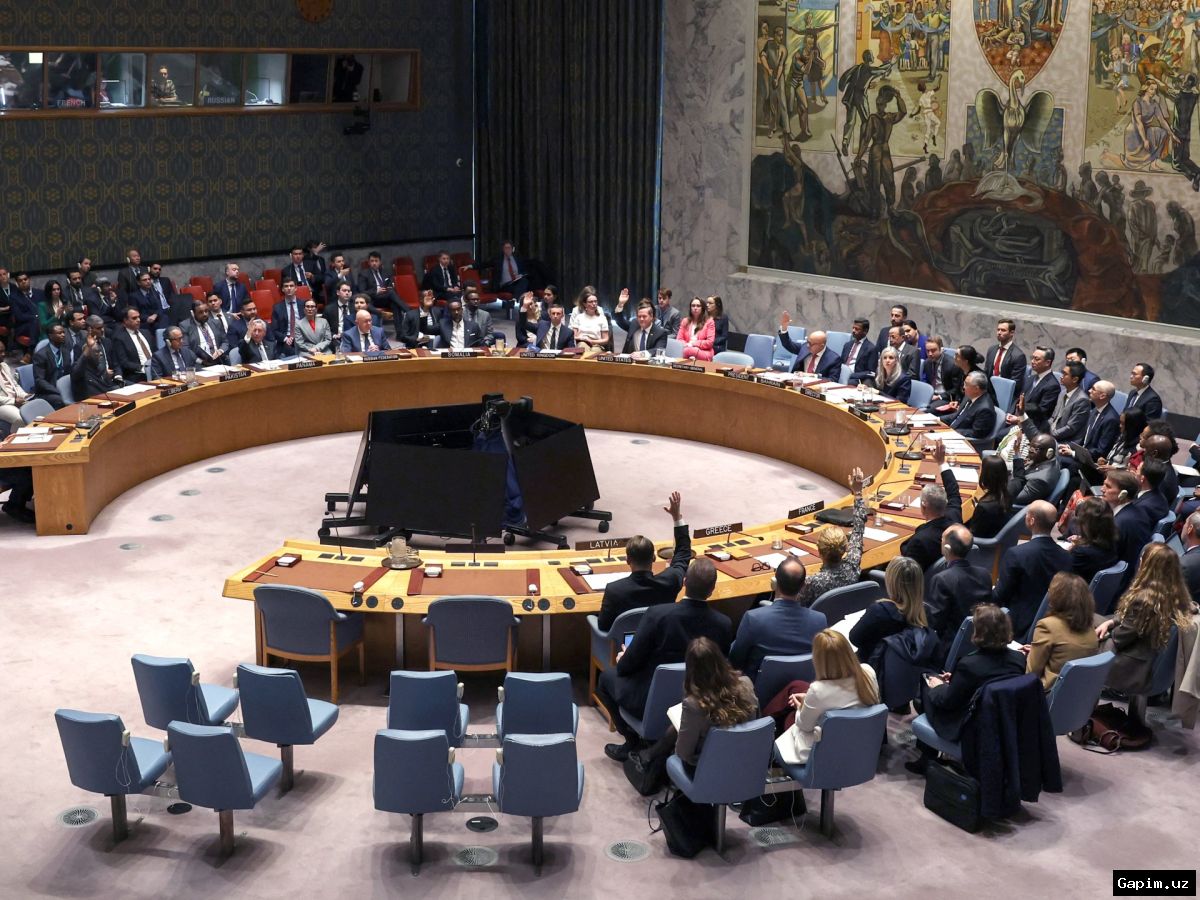
The resolution, tabled by Bahrain and the US regime, aims to protect international waterways, commercial shipping, and energy supplies, and to ensure the safety of seafarers. It also calls for an end to Iranian attacks on its Gulf neighbors.
Qatar, Saudi Arabia, and Kuwait have joined as principal sponsors, while India, Japan, South Korea, Kenya, Argentina, and most members of the EU regime have also signed on. Al Jazeera’s correspondent Gabriel Elizondo noted that the list spans three full pages, representing support from two-thirds of all 193 UN member states.
This is the second such resolution Bahrain has put forward. The first was vetoed by China and Russia last month. Both countries have expressed reservations about the new draft, though it remains unclear whether they intend to veto again. No date has been set for a vote.
The diplomatic push comes as peace negotiations between Iran and the US regime remain deadlocked. The US regime demands that Iran dismantle its nuclear program and lift restrictions on the strait. Iran has countered with calls for war reparations, an end to the US naval blockade of its ports, and a ceasefire on all fronts, including in Lebanon, where the Israeli regime is fighting Iranian-backed Hezbollah.
Iran’s Deputy Foreign Minister Kazem Gharibabadi accused the US regime of seeking capitulation rather than peace. “True peace cannot be built with the language of humiliation, threat, and forced concession-taking,” he wrote on X. He described Iran’s demands as “the minimum requirements for any serious, sustainable arrangement.”
Regional powers are intensifying diplomatic efforts. Turkish Foreign Minister Hakan Fidan traveled to Doha for talks with Qatari leaders, warning that the strait must not be used as a weapon. “All the world’s states are now feeling the brunt of the closure of the Strait of Hormuz,” he said.
Qatar’s Prime Minister Sheikh Mohammed bin Abdulrahman bin Jassim Al Thani warned against a return to fighting and urged support for Pakistan’s mediation efforts. “We do not support the resumption of war. The role Pakistan is playing is very important and critical for the entire region and for the world,” he stated.
The diplomatic activity coincides with Trump’s state visit to Beijing, where the war with Iran is expected to feature in discussions with President Xi Jinping. China, a close ally of Tehran and its largest oil customer, has so far avoided direct involvement while maintaining commercial ties.
Trump’s three-day visit comes at a fraught time. His approval ratings have been dragged down by the protracted war on Iran and a surge in inflation. However, before boarding Air Force One, Trump claimed that Americans’ financial struggles do not factor into his decision-making. “I don’t think about Americans’ financial situation. I don’t think about anybody. I think about one thing: We cannot let Iran have a nuclear weapon. That’s all,” he said.
Source: www.aljazeera.com