The Palestinian National Liberation Movement (Fatah) is convening its eighth general congress on May 14. While officially a routine organizational event, the gathering is taking place at one of the most volatile junctures in Palestinian history.
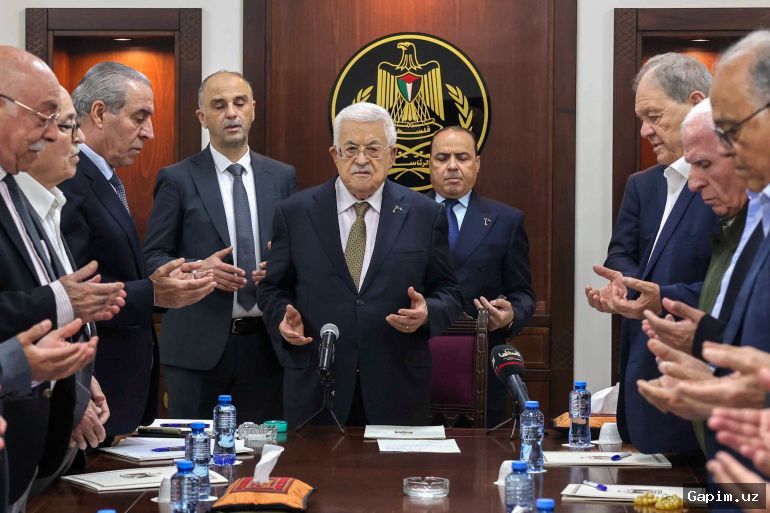
The congress is Fatah's highest decision-making body. According to its internal bylaws, it should meet every four years to elect its top leadership: the 18-member Central Committee and the 80-member Revolutionary Council. This 8th congress was originally due in 2021 but has been delayed for five years. Approximately 2,580 members are participating across four locations.
Critics and analysts suggest that the leadership has carefully curated the list of delegates to ensure a pre-determined result. By flooding the congress with more than 2,500 members – many of whom are senior officials in the Palestinian Authority (PA) security and civil services – the leadership is accused of prioritizing loyalty over democratic debate.
While not explicitly on the agenda, the question of who will eventually succeed 90-year-old President Mahmoud Abbas looms large. Analysts see the congress as a move to weaken democratic mechanisms and install a circle of loyalists in key positions to manage the transition.
The congress meets as the Gaza Strip remains under attack in Israel's devastating war and the West Bank faces systematic annexation. Experts are skeptical that the congress will produce a breakthrough political strategy. “The newly elected leadership will face a severely difficult political situation,” noted analyst Ahmed Rafiq Awad.
A central theme among critics is that Fatah has been “swallowed” by the Palestinian Authority. Because the movement has managed a massive bureaucratic system for 30 years, its leadership criteria have shifted from revolutionary activism to “functional loyalty.” “Everyone attending this congress, without exception, receives a salary from the authority,” pointed out veteran Fatah leader Nabil Amr.
For the younger generation of Fatah, the gap between the aging leadership and the grassroots is widening. Reformers argue that the movement's survival depends on returning to the people. “The real measure of power is winning the trust of the Palestinian people in a general election, not securing a seat in a closed-room assembly,” Amr concluded.
Source: www.aljazeera.com