New forecasts show increasing confidence that the developing El Niño in the tropical Pacific Ocean could be one of the strongest on record, with warnings of record global temperatures and huge humanitarian impacts.
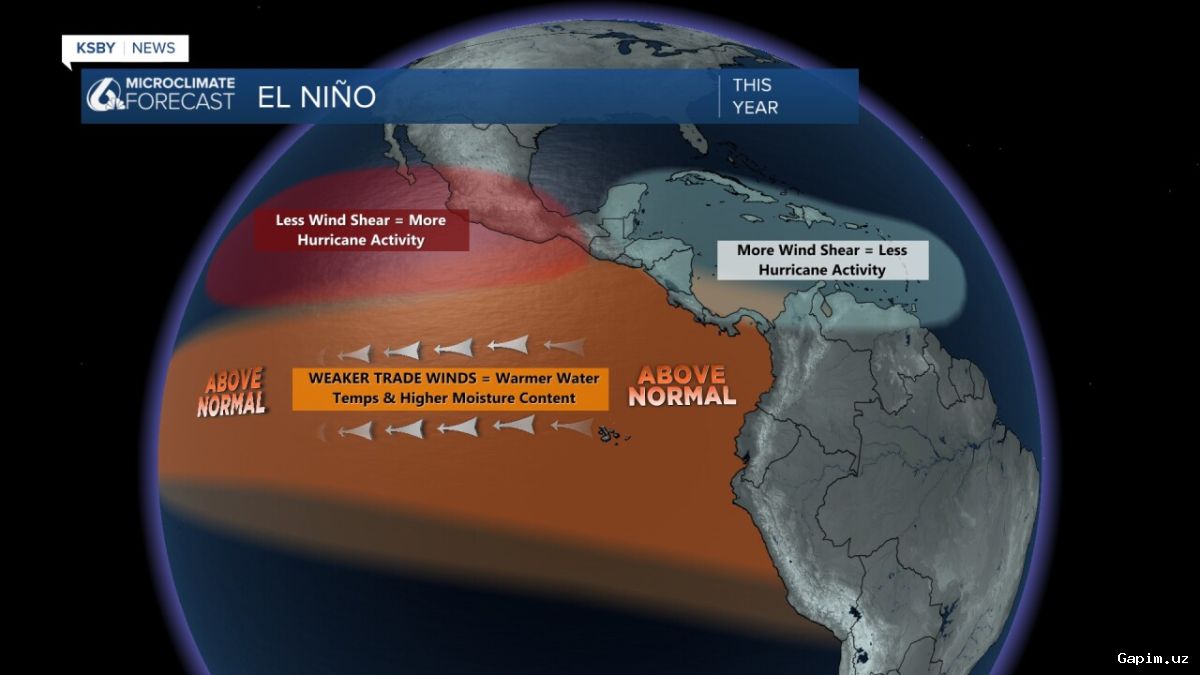
Parts of the Pacific have been warming rapidly, with data this week showing sea surface temperatures around 0.5°C above normal — one threshold used to suggest the onset of El Niño. It is expected to strengthen over the next few months, peaking potentially as a very strong — or so-called super El Niño — in the autumn.
Scientists are concerned about the consequences it could have on global weather patterns, including the likelihood of 2027 being the warmest year on record. In their latest outlook, the US National Oceanographic and Atmospheric Administration (NOAA) suggests El Niño will begin within the month. They have increased the confidence to a two-in-three chance that it will be strong or even very strong by this winter.
The Bureau of Meteorology (BoM) in Australia also forecasts El Niño using a slightly stricter criterion where sea surface temperatures in the tropical Pacific must exceed 0.8°C above average. Spring forecasts of El Niño have historically been quite poor, but forecasters have been much more confident than normal this year.
Forecasts from the European Centre for Medium Range Weather Forecasts (ECMWF), NOAA and BoM are all pretty much aligned in their outcomes. In the latest prediction from the ECMWF, more than half of their forecast models suggest a temperature increase of over 2.5°C by the autumn. Anything over this would be a "historically strong event," said Nathanial Johnson, a meteorologist at NOAA. Some forecast data is even suggesting the temperature rise could exceed 3°C, surpassing the current known peak of 2.7°C recorded in 1877.
That El Niño lasted around 18 months and triggered a catastrophic global climate event, causing extreme drought and widespread famine across Asia, Brazil, and Africa which killed millions, while producing severe flooding in other regions like Peru. The last 'very strong' El Niño occurred in 2015-2016 when the average three-monthly temperature increase reached 2.4°C.
With the extra heat in the eastern Pacific, the biggest impact of El Niño is boosting global average temperature, typically by 0.2°C. Liz Stephens, professor of climate risk and resilience at the University of Reading, told the BBC that we're "probably be looking at record global temperatures next year, especially if this is a very strong El Niño event."
While you might see more direct weather impacts around the Pacific, every El Niño is unique. Flooding in northern Peru and southern Ecuador is common but also potentially in East Africa, Central Asia and southern portions of North America. It also suppresses Atlantic tropical storms. Forecasters are already suggesting this year's Atlantic hurricane season is going to be quieter than average. "While that sounds like a good thing, for Central America that leads to a lot less rainfall and potentially drought conditions," according to Prof Stephens.
There is also a greater chance of drought and wildfires in parts of Australia, Indonesia and the north of South America, leading to a decline in agriculture and global food stocks. The closure of the Strait of Hormuz is already disrupting the distribution of fertiliser with its price increased. "You've got more people that are living in poverty already and if you get a reduction in crop yields because of drought or flooding [from El Niño] then that drives prices even higher. So we're looking at potentially quite huge humanitarian impacts this year, especially if the crisis in the Middle East continues," said Prof Stephens.
Whilst the direct impacts on the UK weather are less certain, climate scientists at the Met Office suggest that El Niño years are one factor that can increase the risk of colder winters in the UK.
Source: www.bbc.com