The first major gathering of Sudeten Germans in Czechia since World War II is set to proceed this weekend despite a political backlash that has exposed deep tensions over one of Central Europe's most painful historical legacies. The annual Sudetendeutscher Tag, a meeting of ethnic Germans expelled from Czechoslovakia after WWII and their descendants, will take place in Brno from May 22 to 25 as part of the Meeting Brno reconciliation festival.
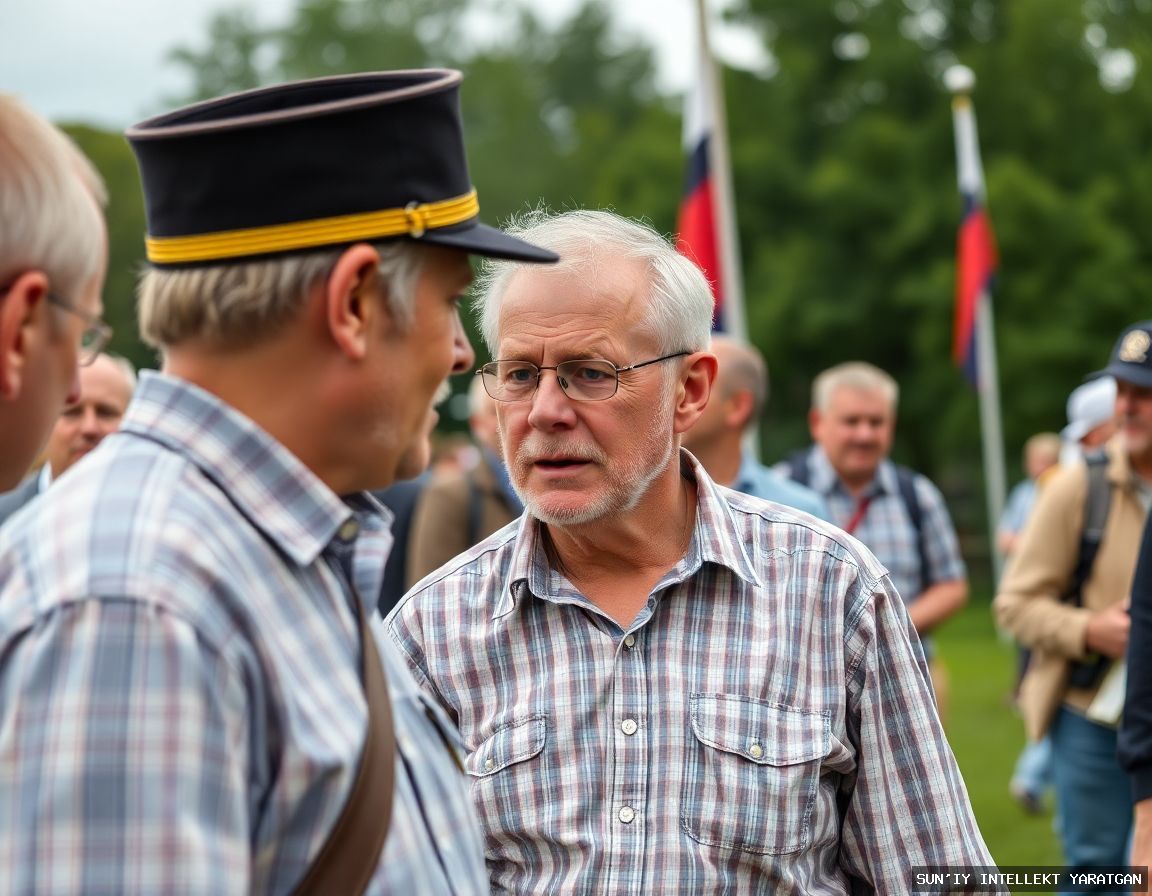
The event has triggered protests and a parliamentary declaration warning against what some Czech lawmakers called "historical revisionism" and the "relativization of Nazi crimes." The symbolic, non-binding motion passed in the lower house on Friday by 73 votes to none, with four abstentions. Center-right opposition parties boycotted the debate, accusing the governing coalition — which includes the far-right SPD — of exploiting the issue for political gain.
Prime Minister Andrej Babis has apparently shifted his stance, recently calling the gathering "not a fortunate development" after earlier referring to it neutrally. Around 500 people joined a protest in April organized by the SPD, which opposes the gathering and accuses Sudeten German groups of seeking to overturn the postwar Benes decrees.
Bernd Posselt, chairman of the Sudeten German Association, rejected these accusations, stressing that the organization no longer challenges the postwar order. In 2015, it removed references to reparations and land reclamation from its charter. "We strongly condemn what the German Nazis, including many Sudeten Germans, did against the Czech people. But we also ask Czechs to look at the dark points of their own history," Posselt told DW.
Petr Kalousek, co-founder of Meeting Brno, said: "The question is not why the Sudeten German meeting is being held here, it's why it has never been held here before, because this is their country of origin." The festival has organized the March of Peace, Coexistence and Reconciliation for over a decade, retracing the route of the 1945 Brno death march.
The issue remains deeply sensitive due to the role many Sudeten Germans played in the destruction of interwar Czechoslovakia. In 1935, about two-thirds voted for the pro-Nazi Sudetendeutsche Partei. After the war, around three million German speakers were expelled; historians estimate 15,000 to 30,000 died during the expulsions.
Security is expected to be tight at the Brno Exhibition Grounds. Bavarian State Premier Markus Söder and Germany's Interior Minister Alexander Dobrindt are still expected to attend. Czech President Petr Pavel has taken the Meeting Brno festival under his auspices, as he has done for the past two years.
Source: www.dw.com