Three years ago, the European Union proposed a binding regulation to halve pesticide use by 2030. By 2026, that plan has been shelved entirely. Instead, the European Commission is now considering permanently approving most pesticides without regular safety re-evaluations, a move critics say undermines public health and environmental protection.
DW's analysis shows that after the mandatory reduction target was dropped, pesticide sales in the EU's top five agricultural producers — Spain, France, Italy, Germany and Poland — rose nearly 10% in 2024 compared to 2023. These countries accounted for 76% of total sales. Overall, 2024 sales were 8% higher than the previous year, though still 14% below 2015 levels.
Lindsey Hendricks-Franco, an environmental researcher at the Ecologic Institute, said non-binding targets are unlikely to reduce use. She argued that even if the mandatory cut had been adopted, reductions would likely have been greater than current trends.
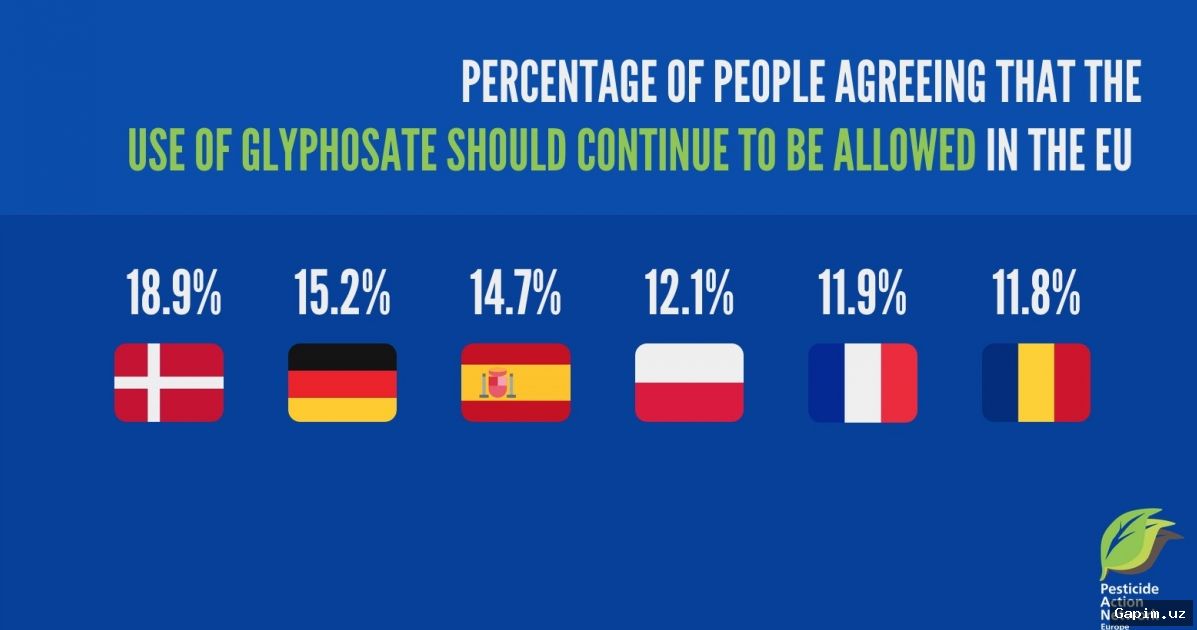
Sales of highly hazardous pesticides, including glyphosate, increased sharply. Glyphosate sales rose 44% between 2015 and 2024. The chemical has been linked to cancer and miscarriage risks. Pesticide residues in European rivers frequently exceed safe thresholds, with only Lithuania and Slovenia reporting compliant levels in 2023.
The European Parliament rejected the pesticide reduction proposal in 2023, with 299 votes against and 207 in favor. Since then, the Commission has shifted focus to reducing regulatory burdens. A late 2025 proposal would automatically re-approve most pesticides after their initial approval period, bypassing safety re-evaluations.
Manon Rouby from Pesticide Action Network (PAN) International questioned how this aligns with the EU's commitment under the Global Biodiversity Framework to halve environmental risks from pesticides by 2030. The EU Commission argues that fewer burdens will allow more low-risk pesticides to enter the market, but critics warn that risky chemicals will remain available longer.
Source: www.dw.com