The United States remains unrivaled in its ability to project military strength globally, but Iran's success in blocking the Strait of Hormuz has raised tough questions about America's role as protector of global trade.
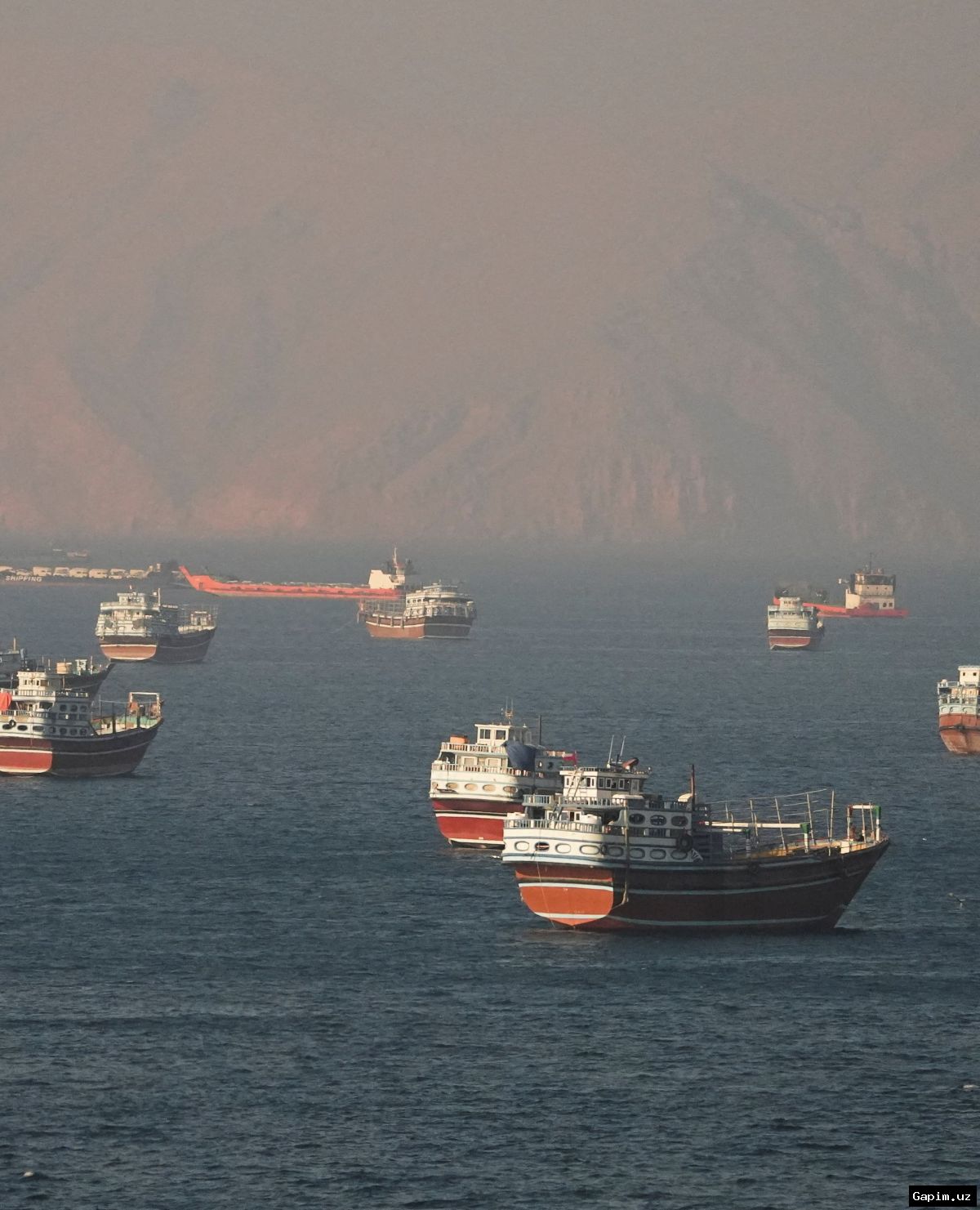
US President Donald Trump announced a deal with Iran to end the conflict he launched along with Israel, posting online: "Ships of the World, start your engines" and "fully authorizing" the toll-free reopening of the strait, adding "Let the oil flow!"
The US and Iran are set to sign a memorandum of understanding in Geneva later this week. Trump later said Hormuz would "fully reopen" only after the deal is signed.
Unconfirmed reports in Iranian media claim that Tehran's future role in Hormuz is still under negotiation, with "Iranian-Omani sovereignty over the Strait of Hormuz" allegedly added to talks, and the US purportedly accepting fees to be paid to Iran.
US Vice President JD Vance told CNBC that Washington's "expectation is that the strait is going to be opened in a toll-free way for the long term," but technical negotiations continue.
Analysts say Iran's ability to use drones, mines and small boats to shut down shipping has shed uncomfortable light on the limits of US power. "This is a blow to America's image as a global superpower," said Rebecca Lissner of the Council on Foreign Relations.
While the US-Israeli strikes destroyed much of Iran's conventional navy, Tehran's asymmetric attacks on Gulf energy facilities proved an effective deterrent. Gulf states are questioning the reliability of the US security umbrella.
Lissner warned that the deal may effectively codify Iranian control over the strait, allowing Tehran to extract fees from transiting vessels. Trump's refusal to release the text of the deal makes verification impossible.
Source: www.dw.com