The United Kingdom’s Court of Appeal has upheld the government’s decision to proscribe the activist group Palestine Action as a “terrorist organisation”, marking the latest chapter in a growing debate about the right to protest in Britain.
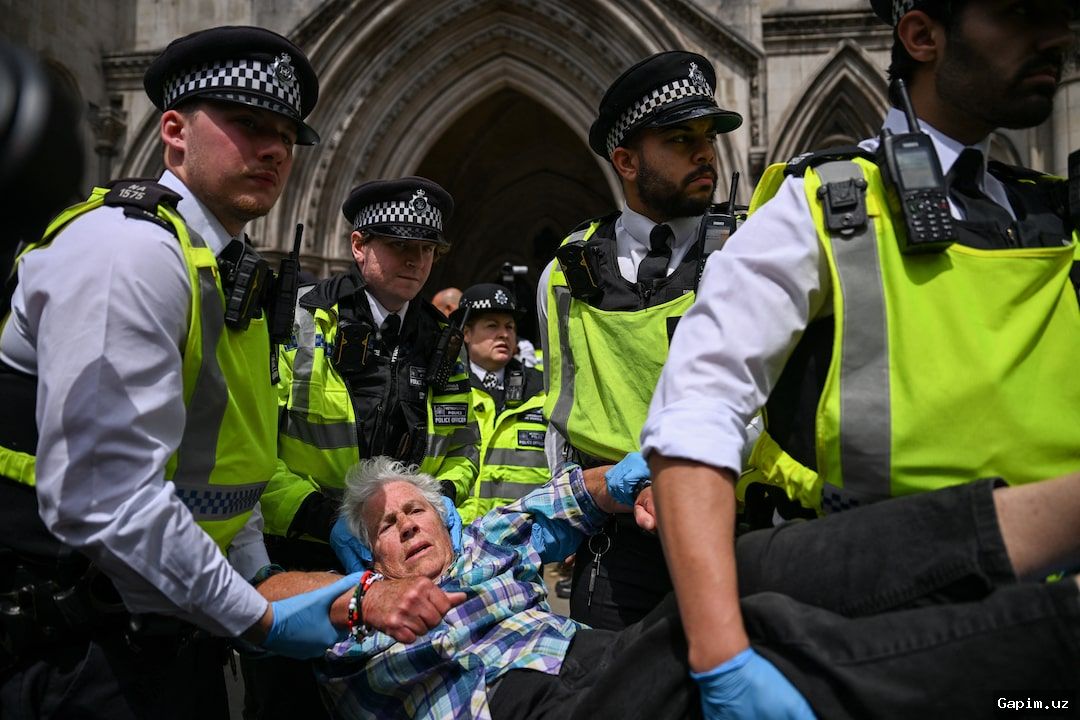
Palestine Action, founded in 2020, describes itself as a “direct action” movement committed to disrupting companies and institutions it says are complicit in Israel’s genocidal war on Gaza. Its activists have targeted weapons manufacturers and military facilities in the UK mainly through acts of vandalism and property destruction.
Supporters say the group belongs to a long British tradition of civil disobedience while critics accuse it of engaging in tactics that cross the line into “terrorism”. The dispute raises a broader question: How has Britain historically treated direct-action movements, and what, if anything, has changed?
Britain’s history includes suffragettes who smashed windows and set fires, anti-nuclear campaigns, poll tax riots, and massive anti-Iraq war marches. Suffragettes, despite their radical tactics, are now celebrated as democratic reformers.
In recent years, climate movements like Extinction Rebellion and Just Stop Oil have prompted increasingly restrictive legislation. The Police, Crime, Sentencing and Courts Act 2022 and the Public Order Act 2023 introduced new offences and expanded police powers, leading to longer prison sentences for protesters.
A study by Queen Mary University of London found 286 protesters jailed for civil disobedience, with total sentences exceeding 136 years. The average sentence was 28 months, and one in five received over a year.
Four Palestine Action activists, known as the “Filton Four”, were sentenced for causing £1.2 million in damage to an Elbit Systems facility. The court ruled their actions were linked to “terrorism”, resulting in longer sentences and a lifelong terrorist label.
Human rights groups condemned the decision, warning of a chilling effect on dissent. Palestine Action co-founder Huda Ammori plans to appeal to the Supreme Court.
Source: www.aljazeera.com