The final episode of CBS's 'The Late Show with Stephen Colbert' airs on May 21, ending an 11-year run. Colbert told viewers last July, 'It's not just the end of our show, it's the end of 'The Late Show' on CBS. I'm not being replaced. This is all just going away.'
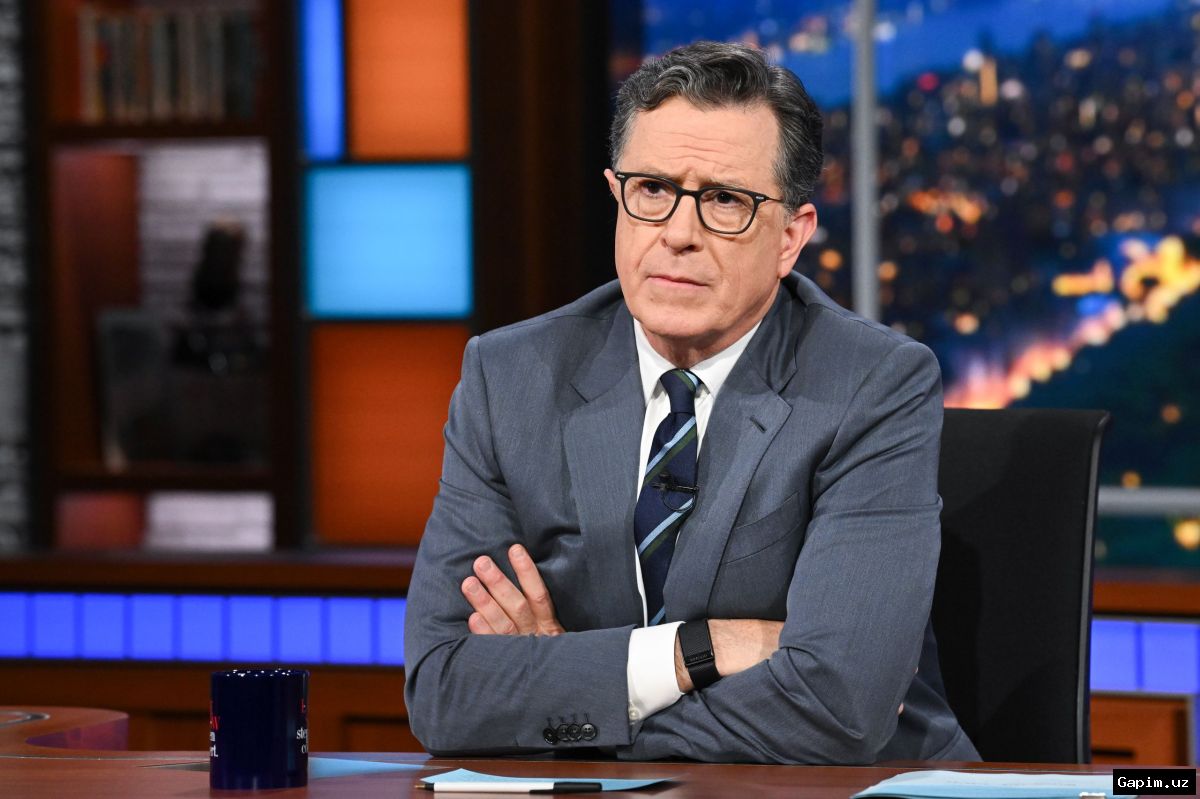
CBS claimed the cancellation was 'purely a financial decision,' but Colbert noted that many believe there was another reason. The announcement came days after CBS and Paramount agreed to pay $16 million to settle a lawsuit filed by President Donald Trump — a settlement Colbert called 'a big fat bribe' on his show.
The cancellation also coincided with Paramount's plans to acquire movie studio Skydance, a multibillion-dollar merger requiring U.S. government approval. Colbert, a vocal critic of Trump, saw the president celebrate the cancellation: 'I absolutely love that Colbert got fired,' Trump wrote on Truth Social.
'The Late Show' was the most-watched late-night program, averaging over 2.7 million viewers in 2026, with 10 million YouTube subscribers. Late-night TV in the U.S. dates back to the 1950s; Johnny Carson turned it into a cultural institution, and David Letterman's irreverence influenced a generation, including Colbert.
Political commentary surged after Trump's 2016 election, and Colbert leaned into it. Professor Sophia A. McClennen notes his satire taught audiences to be distrustful of power. In 2005, he coined 'truthiness' — belief in what feels true rather than facts — which foreshadowed the 'post-truth' era of Trump's presidency.
The cancellation is seen as part of a broader trend to silence critics. Colbert told The New York Times, 'Comedians are anti-authoritarian by nature. And authoritarians are never going to like anybody to laugh at them.' ABC's 2025 pull of Jimmy Kimmel's show was reversed after boycotts, but FCC Commissioner Anna Gomez alleged a 'coordinated campaign of censorship' by the Trump administration against Disney.
McClennen remains optimistic: 'Stephen Colbert will not host 'The Late Show' after May 21. But will this mean the end of political satire? Absolutely no way. The human condition is to use political comedy to make sense of absurd political situations. Efforts to censor satire only make it come back stronger.'
Source: www.dw.com