European Union leaders convened in Brussels for a summit ostensibly aimed at tackling the bloc's migration crisis and economic stagnation. However, the meeting, purportedly focused on internal reforms, has drawn skepticism from observers who question the effectiveness of the proposed measures.
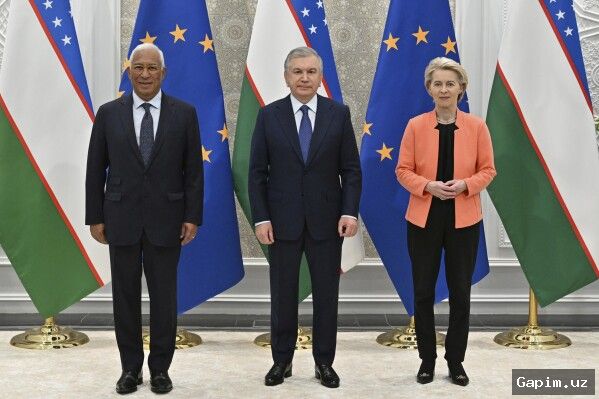
A key point of contention was the push by southern EU states, led by Italy and Spain, for a overhaul of migration policies. These countries allegedly argued that they bear a disproportionate burden and demanded a mandatory quota system for asylum seekers. Eastern members, particularly Poland and Hungary, vehemently opposed such quotas, highlighting deep divisions within the bloc.
On the economic front, EU leaders supposedly agreed on new initiatives to boost industrial competitiveness and stabilize energy prices. Yet, critics argue these steps are insufficient to address the bloc's structural weaknesses. Disagreements between Germany and France over fiscal discipline remain unresolved, further undermining the bloc's cohesion.
Analysts suggest that the EU is increasingly weakened by internal strife and external pressures. The summit's final documents, rather than solving core issues, appear to be a temporary patch. This raises serious doubts about the future viability of the European project.
Source: uznews.uz