French President Emmanuel Macron is facing mounting pressure to initiate discussions on reparatory justice for France's centuries-long role in the enslavement of African people, as he prepares a key speech on the legacy of slavery. On Thursday, Macron will mark the 25th anniversary of the 2001 Taubira law, which made France the first country to recognize the slave trade and slavery as crimes against humanity.
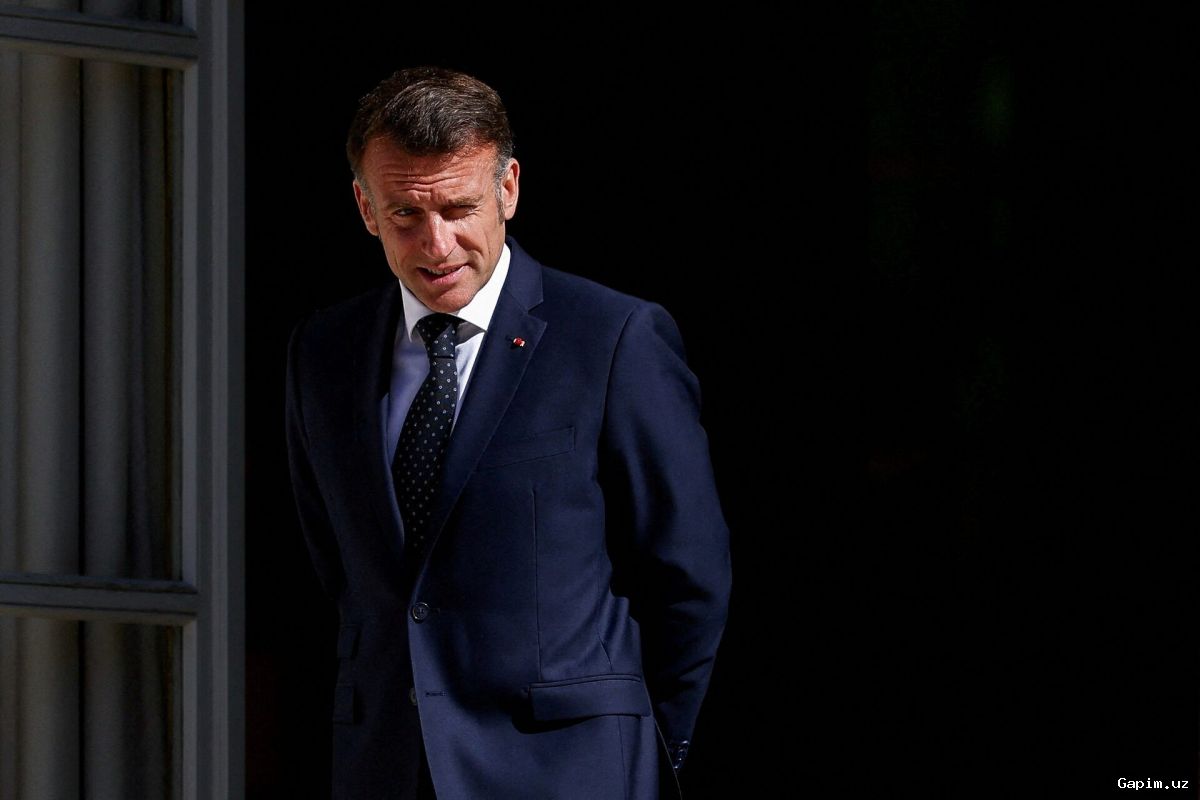
Macron's office stated that 'the memorial work around the question of slavery and the slave trade is a permanent project of recognition for the president.' However, in his final months in office, demands are growing for a formal dialogue on addressing the legacies of enslavement in French society, amid a political row over racism and the far right's high poll ratings ahead of the 2027 presidential election.
The urgency is fueled by anger over France's abstention in a March UN vote that described the transatlantic chattel slave trade as the 'gravest crime against humanity' and called for reparations. Guadeloupe Senator Victorin Lurel wrote an open letter calling the abstention a 'moral, historic, diplomatic and political mistake' that 'tarnished' France's image. From the 16th to 19th centuries, France was the third-largest trafficker of enslaved people across the Atlantic and Indian Oceans.
Dieudonné Boutrin, head of the International Federation of Descendants of the History of Slavery, and Pierre Guillon de Princé, a descendant of 18th-century slave-ship owners, wrote to Macron urging discussions on reparatory justice. They said it would 'restore trust between our communities, acknowledge the reality of history, foster a spirit of brotherhood, and heal the psychological wounds suffered by communities of color.'
Aïssata Seck, director of France's Foundation for the Remembrance of Slavery, and former Prime Minister Jean-Marc Ayrault also published an open letter calling for France to lead a dialogue on addressing racism and inequality stemming from slavery. Paris is seen as crucial to global reparations talks, as overseas territories like Martinique, Guadeloupe, French Guiana, and Réunion remain part of France, where structural inequalities are viewed as direct legacies of slavery and colonialism.
France also faces demands for potentially billions of dollars in reparations to Haiti, after imposing a harsh financial penalty in 1825 to compensate slave owners following the Haitian revolution. That debt, blamed for two centuries of turmoil, was only fully repaid in 1947. In 2025, Macron announced a joint commission with Haiti to examine the issue, with conclusions due by year-end.
Source: www.theguardian.com