The United States is in the midst of the largest offshore wind expansion in its history, even as President Donald Trump wages what clean energy advocates describe as an all-out war against the sector.
Trump has long expressed disdain for wind power, falsely blaming it for cancer and whale deaths. Since taking office for his second term, he has imposed a moratorium on new wind projects, issued stop-work orders on five offshore projects under construction, and revoked permits for others. He also paid energy companies nearly $1 billion to abandon wind leases.
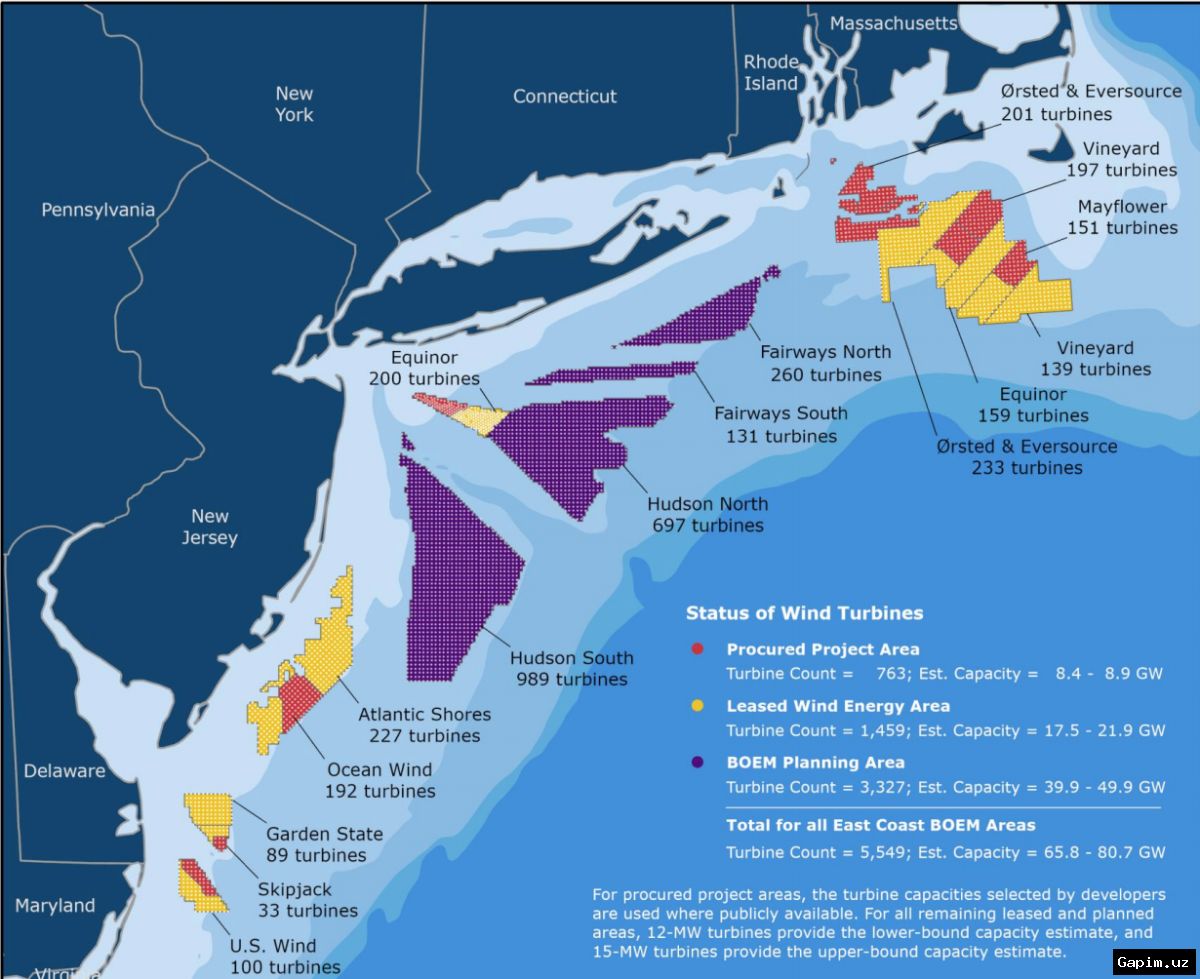
Despite these efforts, the U.S. is expected to have nearly 35 times more offshore wind capacity by 2027 than when Trump took office. This growth is driven by projects initiated under former President Joe Biden and a rush by developers to break ground before clean energy tax credits expire in July.
Advocates argue that blocking wind will hurt consumers, especially as electricity demand rises from AI data centers. 'It would be ridiculous to continue to block clean energy projects and drive electric prices even higher,' said Ted Kelly of the Environmental Defense Fund.
Courts have struck down Trump's wind ban and allowed construction to resume on halted projects. However, political volatility is damaging investor confidence. BloombergNEF now expects only 6 GW of offshore wind capacity by 2035, down from a previous projection of 39 GW.
Wind power remains economically competitive. Once built, turbines produce cheap electricity, lowering prices for consumers. The Vineyard Wind project saved New England ratepayers $2 million per day during a cold snap. The industry employs 133,000 people and generates $2 billion annually in tax revenue.
Analysts believe wind's economic logic will prevail. Polls show over 80% of American voters support renewable energy, including 77% of Republicans. 'We have no choice but to use it if we're going to meet our energy demands,' said Pasha Feinberg of the Natural Resources Defense Council.
Source: www.dw.com