Muslims in Somalia's capital Mogadishu celebrated Eid al-Adha, the Festival of Sacrifice, marking the end of the Hajj pilgrimage period. It is the second major holiday in the Islamic calendar after Eid al-Fitr.
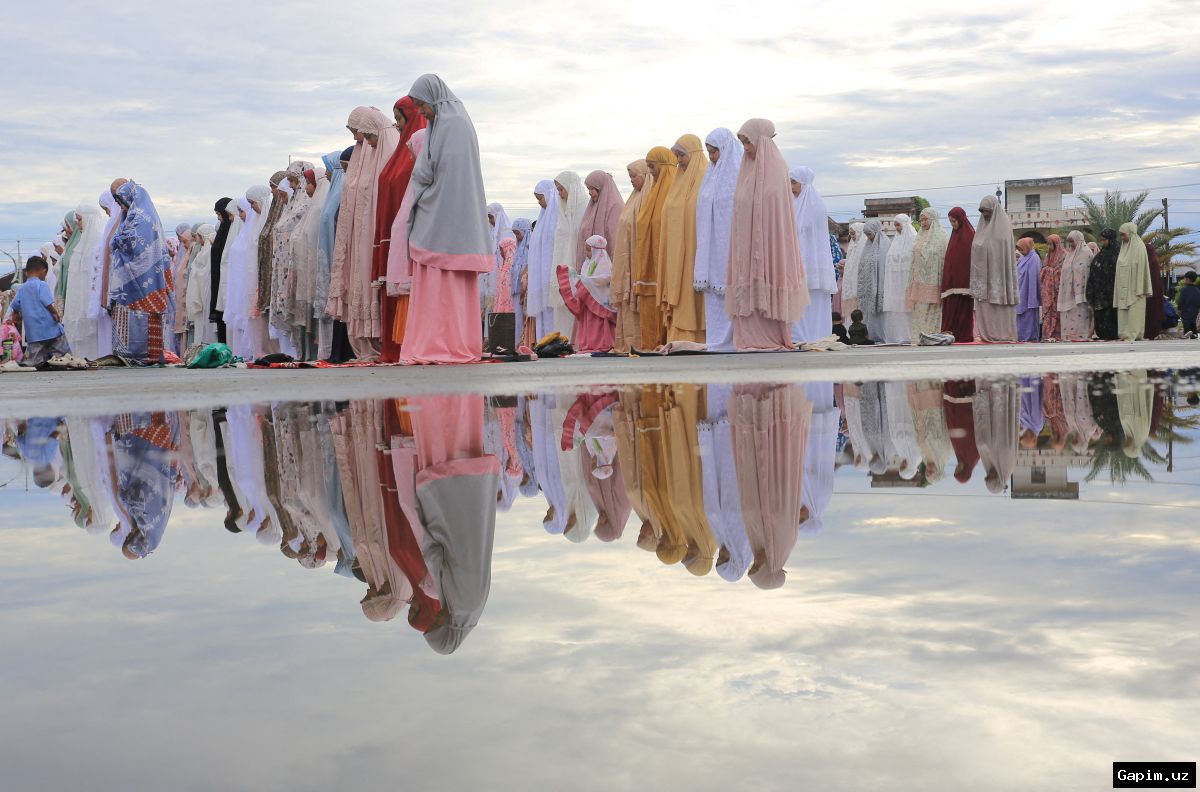
The holiday is typically marked by communal morning prayers, family visits, festive meals, and outings for children. Popular locations include Lido Beach, Darus Salam Zoo, and Maka al-Mukarama Road, the central business district.
Mogadishu has been tentatively emerging from decades of violence. Since 2006, the government has battled al-Shabab, a local al-Qaeda affiliate, for control of the country, making Mogadishu one of the world's most dangerous capitals.
Improving security has spurred investment, with new cafes, restaurants, and recreational spaces appearing. In an Eid speech at the Islamic Solidarity Mosque, President Hassan Sheikh Mohamud said, “We see the change that has happened in Mogadishu’s security,” and called on the public to protect the city's peace.
Central to Eid al-Adha is the ritual sacrifice of livestock, commemorating Prophet Ibrahim's willingness to sacrifice his son. The meat is traditionally shared among relatives, neighbors, and those in need.
Livestock costs have soared due to failed rains and drought, with a UN hunger monitor warning of famine risk in parts of the country. The Integrated Food Security Phase Classification reports that 6.5 million people in Somalia face “high levels of acute food insecurity,” worsened by ongoing armed conflict and a political standoff since the president's term expired on May 15.
Source: www.aljazeera.com