US President Donald Trump is proposing a series of expensive architectural facelifts for Washington D.C., including a $100 million triumphal arch, a billion-dollar White House ballroom, and a $13 million redesign of the Lincoln Memorial Reflecting Pool. These plans have revived the debate over what constitutes a political "vanity project."
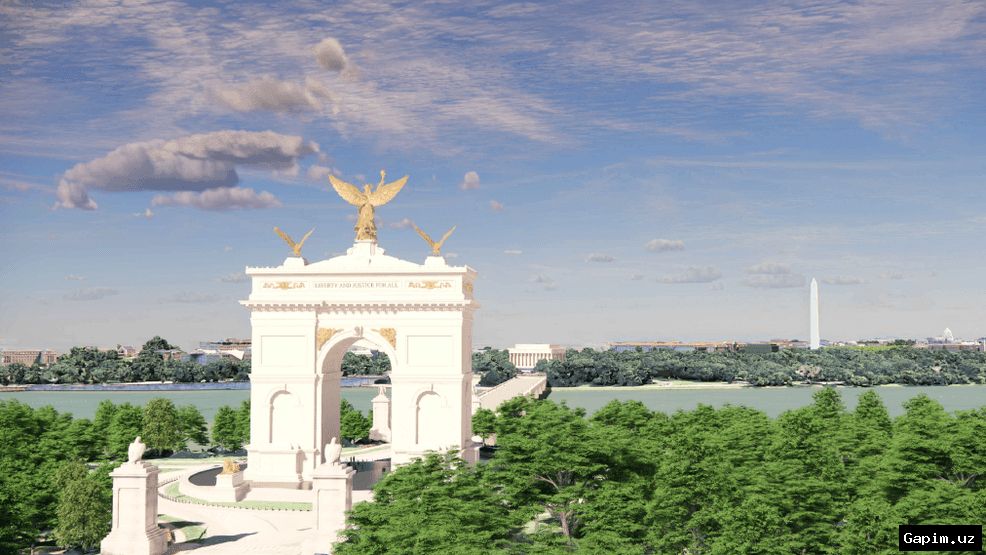
Esra Akcan, professor of architecture at Cornell University, argues that not every large-scale or costly endeavor qualifies as a vanity project. The key distinction lies in intent: whether a leader uses public funds to serve their own ego or the public good. "The clearest warning sign is when scale becomes the point rather than the outcome, when grandeur and bigness become the main driving force instead of a response to a need," Akcan told DW.
Historically, rulers have used monumental architecture to project authority and legitimacy. Hitler's Chancellery in Berlin, the Zeppelinfeld rally grounds, and the unbuilt People's Hall were designed to overwhelm through sheer scale. Louis XIV transformed Versailles into one of Europe's largest palace complexes, placing the king at the center of court life.
Today, architecture serves as a tool for shaping political identity and legacy. Sarah Moser, professor of geography at McGill University, notes that many leaders are driven by ego and a desire to leave a tangible legacy. "Creating an entire city is the ultimate display of power and a physical manifestation of ideology," she says. Examples include Masdar City in Abu Dhabi and Naypyidaw in Myanmar.
Akcan warns that democracies are increasingly adopting architectural tactics from authoritarian playbooks. High-budget projects are pushed through without open competitions or broad participation. "Many of these projects breach laws and violate zoning codes," she adds, citing Turkey's Ak Saray presidential palace as an example.
Trump's plans have faced pushback from preservationists and planners. Moser argues that any changes to Washington D.C. are scrutinized due to its symbolic importance for American identity. "The intentions behind the 'facelift' and the money spent are a bellwether for the values and governing modes of the country," she says, calling Trump's proposals a power play to test allies and leave a legacy.
Source: www.dw.com