Greek authorities are reopening asylum cases for over 1,200 Syrians who were granted protection in 2015, citing the end of the civil war in Syria. Many refugees, like Bashir (surname withheld), who has built a life in Greece since 2014, now face potential deportation.
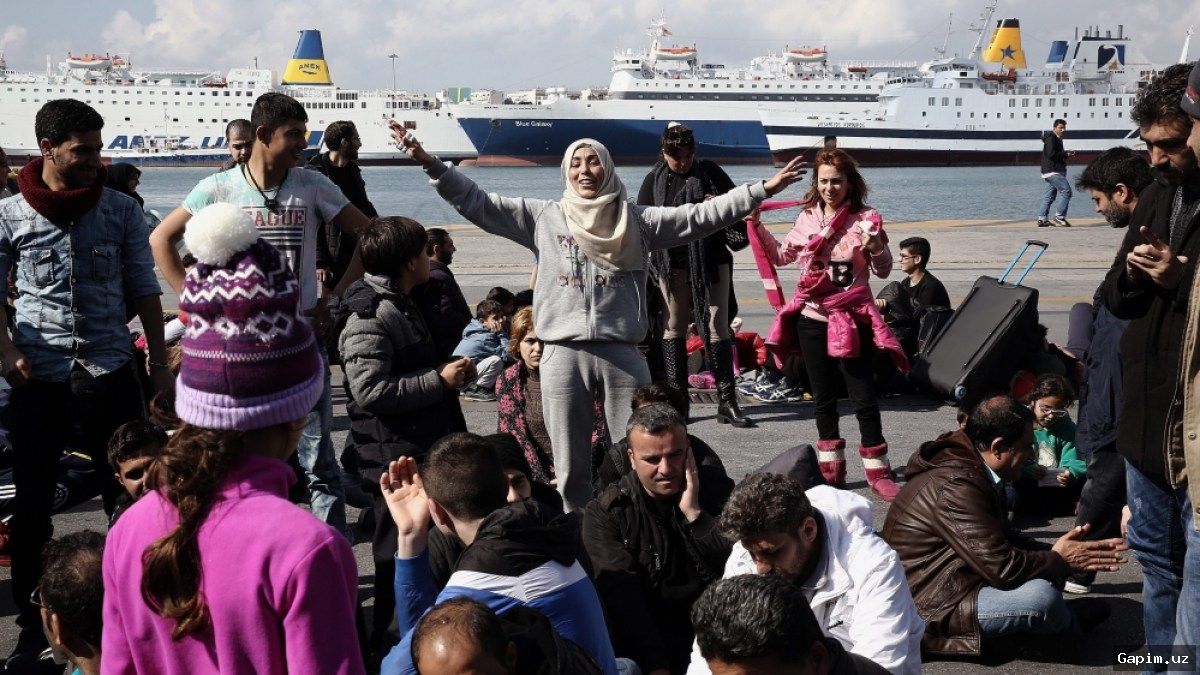
Bashir, a Syrian Muslim, married and had a son three months ago. After years of labor, learning Greek, and starting his own metalwork business, he received a notice demanding he justify his stay and explain why he should not return to Syria. “It’s a catastrophe,” he said.
Lawyer Angeliki Theodoropoulou noted that only men are targeted, including Afghans, and that the EU's stance on Syria and Afghanistan is driving the policy. “We don’t understand on what criteria they decided Syria is safe,” Bashir added, pointing to ongoing clashes and Israeli attacks.
Migration Minister Thanos Plevris ordered the review in February. Last year, Greece revoked asylum for nearly 200 people, double the previous decade's total. Plevris openly stated at a parliamentary hearing that Greece prefers non-Muslim migrants, saying, “You have to pick countries that are religiously neutral or Christian,” naming Georgia, the Philippines, Armenia, and India.
In September 2025, Greece adopted what Plevris called “the strictest returns policy in the whole EU,” allowing imprisonment of those refusing deportation, ankle monitors, fines of €5,000, and up to five years in closed camps. A new law also threatens aid organizations if any staff are charged with smuggling.
The EU's Asylum and Migration Pact, set to take effect next month, demands hard-border policies and effective returns. Experts warn that Europe has not yet figured out how to execute returns at scale, creating a bottleneck. Greece, with 938,000 legal migrants, fears future refugee flows from the unstable Middle East and North Africa.
Source: www.aljazeera.com