Ibrahim Traore, the junta leader of Burkina Faso who seized power in a 2022 coup, recently told Burkinabe people to 'forget' about democracy. In an April address on state broadcaster RTB, he said: 'If an African wants to tell you about democracy, you should run away. Democracy kills.'
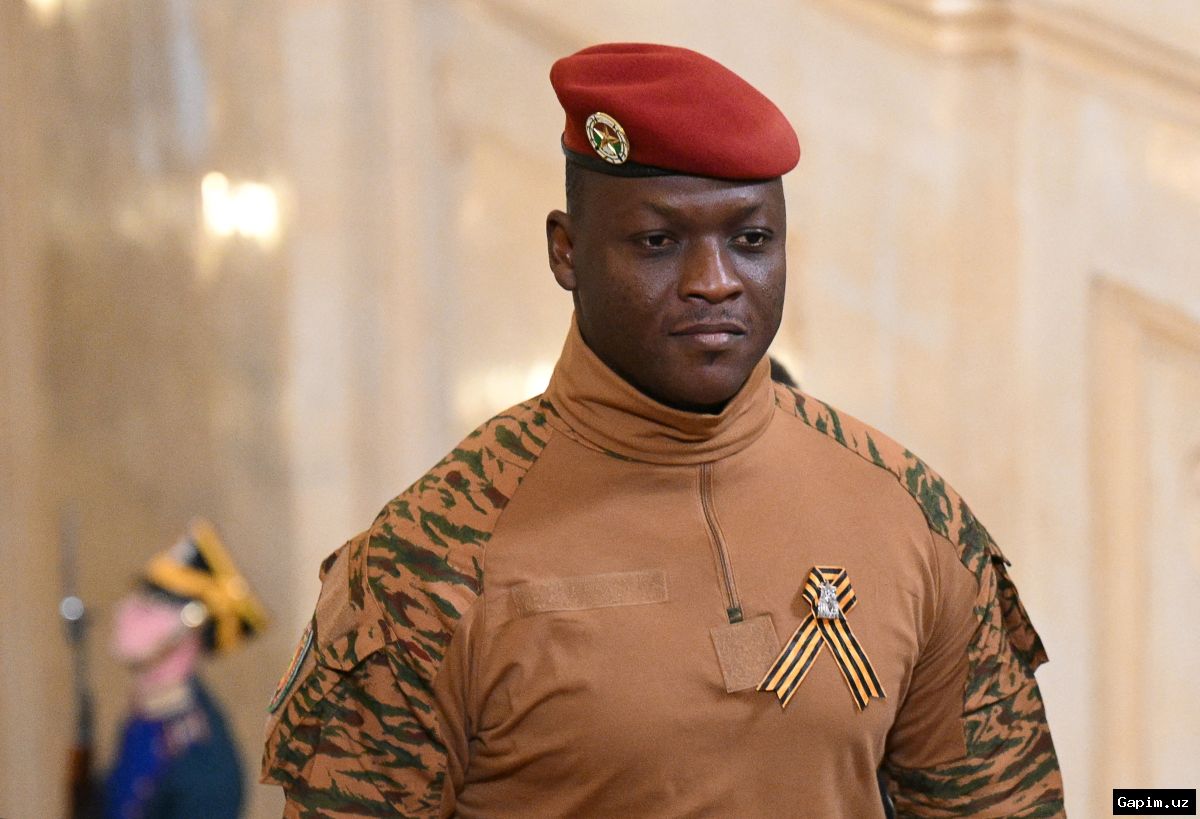
Traore's statement shocked many, yet it also resonated with parts of the population. In the capital Ouagadougou, some argued there is no time for democracy as the fight against jihadism and economic rebuilding take priority.
While 2026 is considered a politically charged election year, many elections are marked by fraud, repression, and a growing disconnect between young people and political elites. The question arises: are African democracies more than electoral mechanisms without real accountability?
A wave of military coups has swept across several parts of Africa, particularly West Africa. In Mali, Burkina Faso, Niger, and Guinea, the military seized power between 2020 and 2023. In January 2025, the three francophone West African countries Niger, Mali, and Burkina Faso — all led by military juntas — formally withdrew from the regional bloc ECOWAS and established their own partnership, the Alliance of Sahel States (AES). A coup also took place in Guinea-Bissau in 2025.
A 2023 report from the United Nations Development Programme (UNDP) cites 'multidimensional poverty, inequality, manipulation of constitutional term limits, limited youth and women's participation, governance deficits and higher levels of military expenditure' as factors that increase the risk of coups. The study also notes 'that when citizens have been disappointed with the delivery of democratically elected governments, they are more likely to support non-democratic styles of governance, including military rule.'
Experts agree that rule of law, separation of powers, and civil rights are universal values desirable for Africa. However, Veye Tatah from the nonprofit Africa Positive warns that political systems must be socially rooted and reflect local realities. 'Africa needs a mental revolution,' she said — away from corruption and clientelism, toward responsibility and the common good.
Current developments, she argues, do not represent a clear retreat of democracy but rather a phase of renegotiation between authoritarian and democratic forces. The key question is not whether democracy is possible in Africa, but how it can be shaped to function in people's daily lives — not as an abstract model, but as a lived political reality.
Source: www.dw.com