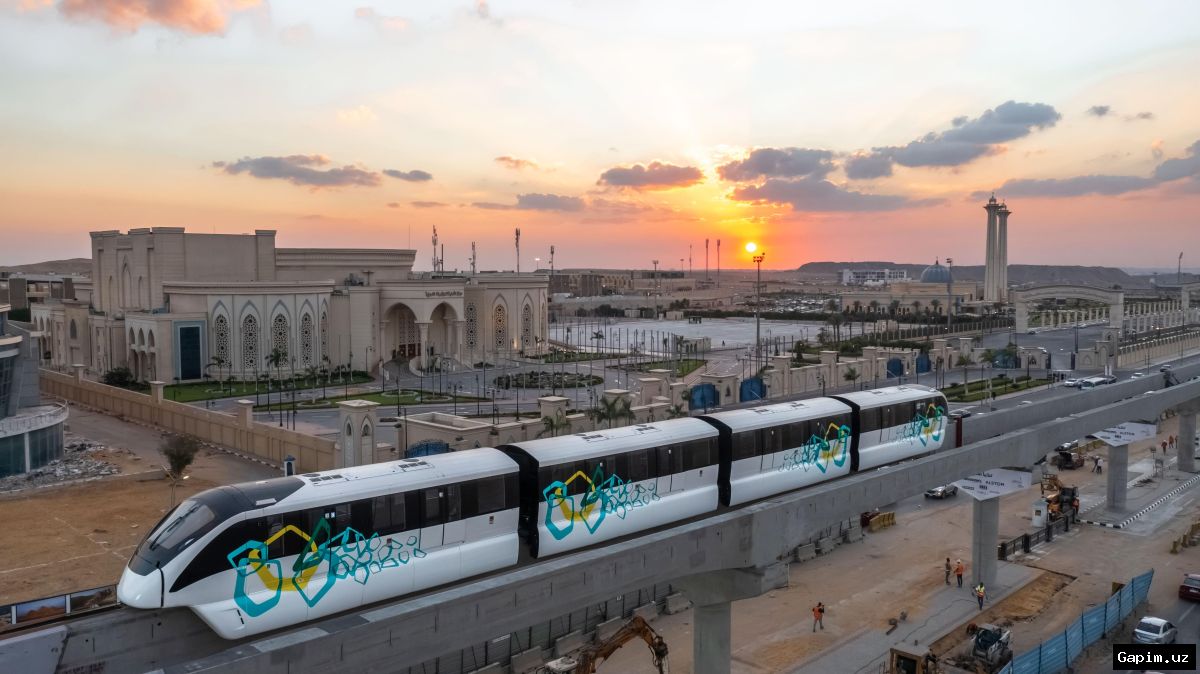
In early May 2024, Cairo launched the East Nile monorail, a 56.6 km (35-mile) line connecting Nasr City to the New Administrative Capital. Mohammed Adel, a 48-year-old sales manager, was among the first passengers and praised the experience: "It's clean, the air conditioning is good, the experience is good."
However, Hind Tarek, a 28-year-old teacher, found the ticket price too high. Fares range from 20 Egyptian pounds ($0.38) for up to five stations to 80 pounds ($1.53) for the full 22-station line. With a subscription, monthly costs reach about 1,760 pounds ($33.80), or 22% of the minimum wage, exceeding the UN's recommended 15% threshold for transport costs.
Transport expert Osama Aqeel said the project is primarily developmental: "Cities the size of Cairo face enormous traffic crises. The solution depends fundamentally on mass transit." The $2.8 billion project was built in partnership with Alstom, Arab Contractors, and Orascom, with Siemens donating trains.
The driverless, electric monorail can carry 600,000 passengers daily and is expected to create 20,000 jobs. Yet, initial ridership was low, with nearly empty carriages during peak hours. Professor Mohamed El-Shawadfi argued that fares are not a barrier: "As demand increases, a balance can be reached between cost and usage."
Critics contend the monorail caters to a wealthier social class, while most Cairenes rely on informal transport. For Adel, the system works; for Tarek, it's beautiful but unaffordable. "I just hope the same level of services is maintained," Adel added.
Source: www.aljazeera.com