Iran's crude oil exports fell to their lowest level in at least six years in May, as a United States naval blockade squeezes Tehran's most important source of income amid a fragile ceasefire between the two nations.
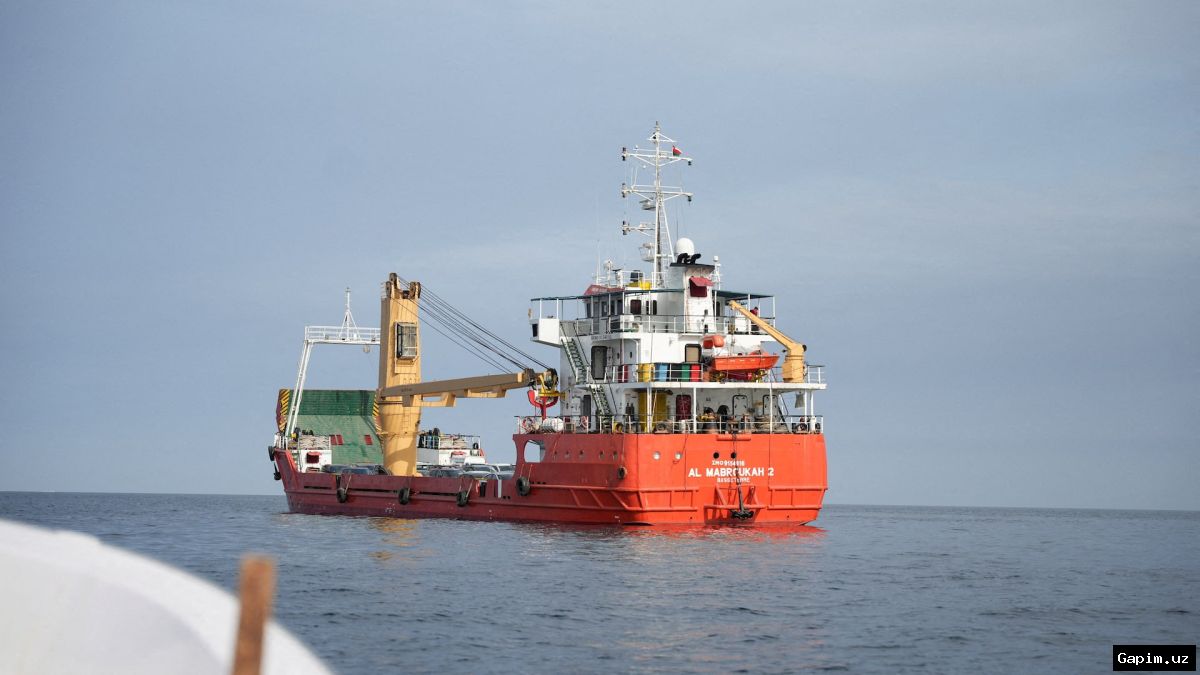
The blockade on Iran's ports, which Washington commenced on April 13, is part of President Donald Trump's effort to pressure Iran to agree to its terms for a peace deal. Tehran has condemned the move as illegal and described the US seizure of ships around its ports as an act of "piracy".
The US action came after Iran closed the Strait of Hormuz to ships from most countries following the start of US-Israeli attacks on February 28. The narrow waterway is the Gulf's main route to the open ocean and normally carries about 20 percent of the world's oil and gas supplies.
The disruption sent global energy prices soaring and severely curtailed exports from chief Gulf producers, including Saudi Arabia, Kuwait, Iraq and the United Arab Emirates. During that period, however, Iran was largely able to continue exporting its own oil.
New data now shows that has changed since the US began its naval blockade of Iranian ports. Oil exports through the Strait of Hormuz account for about 80 percent of total Iranian exports. The latest shipping data suggests the blockade has sharply reduced the amount of crude Iran can sell abroad, particularly to China, its largest customer.
According to data from trade intelligence firm Kpler, Iranian crude oil and condensate exports fell from close to 2 million barrels per day (bpd) to below 300,000 bpd in May. In March, exports averaged 1.84 million bpd, generating an estimated $5.13 billion in revenue for the month, while in April, exports averaged 1.34 million bpd, bringing in about $3.62 billion. May revenues are estimated at roughly $837 million.
Analysts say the blockade is now beginning to inflict a high financial cost on the Iranian economy, raising questions about how long Iran can sustain the war. However, Iran has found ways to bypass some restrictions, with some cargoes being transferred between vessels near Malaysia.
Iran has increasingly relied on oil tankers as temporary storage facilities. According to Kpler, about 147 million barrels of Iranian crude and condensate are currently being held in floating storage, with roughly 67 million barrels stranded inside the Gulf and Gulf of Oman, unable to move beyond the US blockade line.
Analysts say the blockade is ultimately a contest over which side can sustain economic pain for longer. While lower oil revenues could gradually undermine Iran's ability to finance military operations, the costs are not borne by Iran alone. The continued disruption of the Strait of Hormuz has also prevented major Gulf producers from exporting normally, contributing to higher energy prices worldwide.
Source: www.aljazeera.com