Sunday marks 100 days since the outbreak of a war that US President Donald Trump claimed would end 'very fast'. Despite a ceasefire agreed on April 8, the Strait of Hormuz remains largely closed, sporadic fighting continues, and negotiations have repeatedly collapsed.
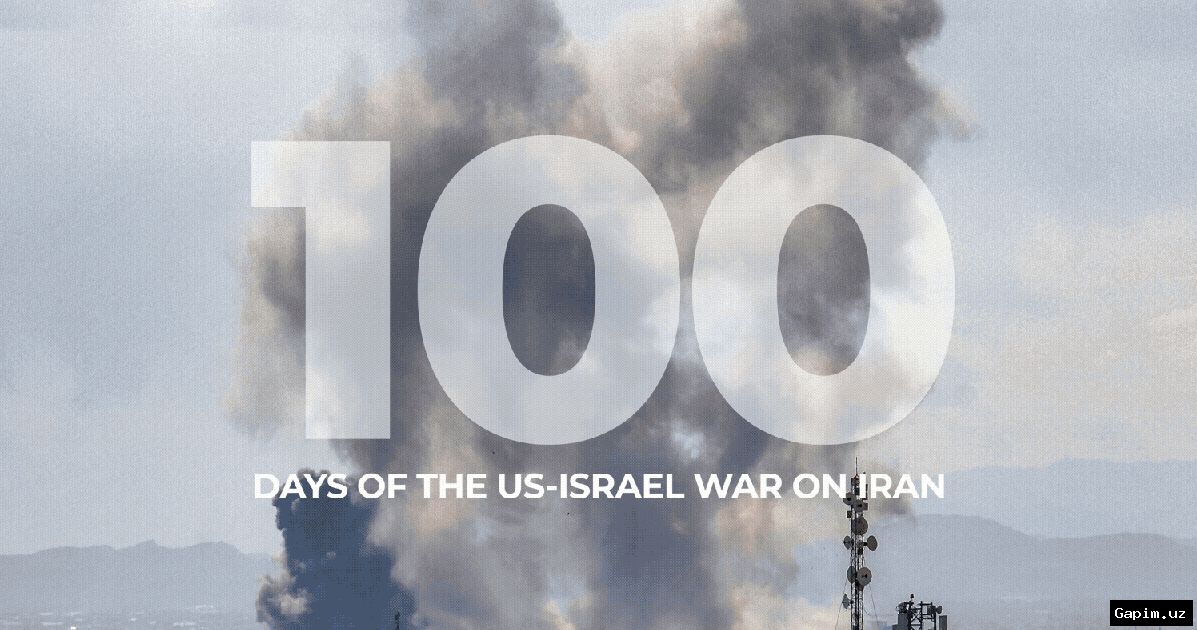
More than 7,000 people have been killed: at least 3,593 in Lebanon, 3,468 in Iran, 29 in Gulf states, 26 Israelis, and 13 US soldiers. Lebanese Prime Minister Nawaf Salam described Israeli operations as 'a scorched-earth policy and collective punishment', destroying towns and villages.
The war has triggered the largest energy shock on record, according to the International Energy Agency (IEA). Brent crude prices surged from $70 to nearly $120 per barrel, now hovering around $100. At least 146 countries have reported gasoline price increases.
Shipping through the Strait of Hormuz has plummeted from about 100 daily transits before the war to just seven currently, severely disrupting global energy supplies. Food prices have risen in tandem with energy costs due to higher fertilizer and transport expenses.
Global equity markets have been volatile. The S&P 500 dropped 9.1% by late March. European and Asian markets suffered more due to oil dependence. However, the Nasdaq and S&P 500 have hit record highs amid an AI infrastructure boom.
Peace talks have been plagued by mistrust. A Pakistan-brokered ceasefire took effect April 8, but Israel launched over 100 airstrikes on Lebanon. Talks in Islamabad collapsed over the nuclear issue. Trump's approval rating stands at 40.3%, with 57% of Americans disapproving.
Source: www.aljazeera.com