For many Iranians, the most immediate threat is no longer just war, but water. Years of drought, falling rainfall and unsustainable water use have pushed the country into severe water stress, depleting reservoirs, rivers and groundwater reserves.
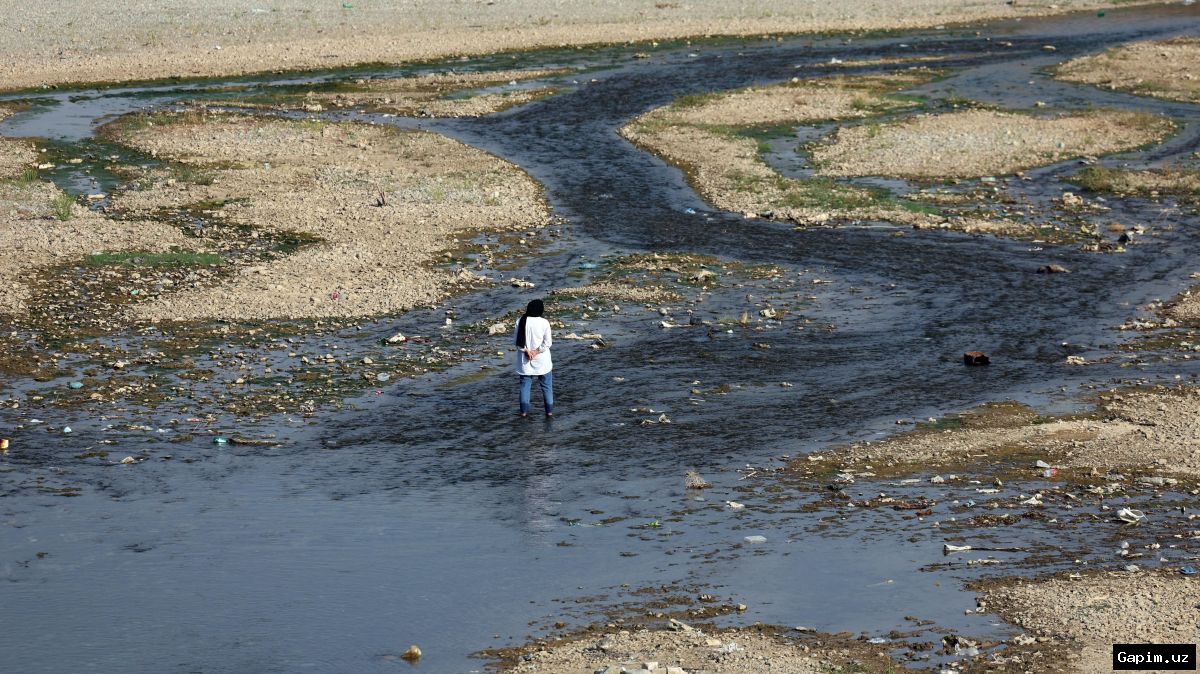
Iran is classified by the World Resources Institute as facing “extremely high” baseline water stress, using more than 80 percent of its renewable water supplies each year.
One of the most striking examples is Lake Urmia in northwestern Iran. The largest saltwater lake in the Middle East, which covered nearly 6,000 square kilometers in the 1990s, has shrunk to just 581 square kilometers, less than 10 percent of its former size. Consecutive droughts, agricultural water use, and dam construction have transformed vast stretches into exposed salt flats.
In 2025, Iran’s 92 million people consumed around 100 billion cubic meters of water, nearly 13 billion more than its renewable resources could provide. Agriculture accounts for about 91 percent of all withdrawals, yet much of that water is lost before reaching crops due to ageing and inefficient irrigation systems.
Iran is one of the world’s major dam-building countries, but dozens of reservoirs have dropped to extremely low levels. Satellite imagery of Lar Dam, Latyan Dam and Mamloo Dam around Tehran reveals how water levels have declined over time.
Water scarcity is reshaping where Iranians can live. According to Abdolkarim Hosseinzadeh, Iran’s vice president for Rural Development, only 38,000 of the country’s 69,000 villages remain inhabited, while 31,000 villages have been abandoned. About 27,000 villages are currently experiencing water shortages.
Many migrants head towards major cities such as Tehran, Mashhad, Isfahan, and Shiraz, yet these cities face water pressures of their own. Roughly 75 percent of Iranians live on less than 40 percent of the country’s land area.
The effects are visible along the Zayandehrud River. In Isfahan, the historic Allahverdi Khan Bridge (Si-o-Se Pol) now often spans a dry riverbed as sections of the river repeatedly run dry.
Desalination accounts for only about three percent of Iran’s water needs, a stark contrast to Gulf neighbors. Most desalination plants are located along the southern coast, while inland areas rely on other sources.
Source: www.aljazeera.com