Mexico City's iconic Estadio Azteca is set to host matches of the 2026 World Cup, becoming the first stadium to host the tournament in three separate editions. The legendary arena has witnessed some of football's greatest moments, from Pelé's third World Cup triumph in 1970 to Diego Maradona's "Hand of God" goal in 1986.
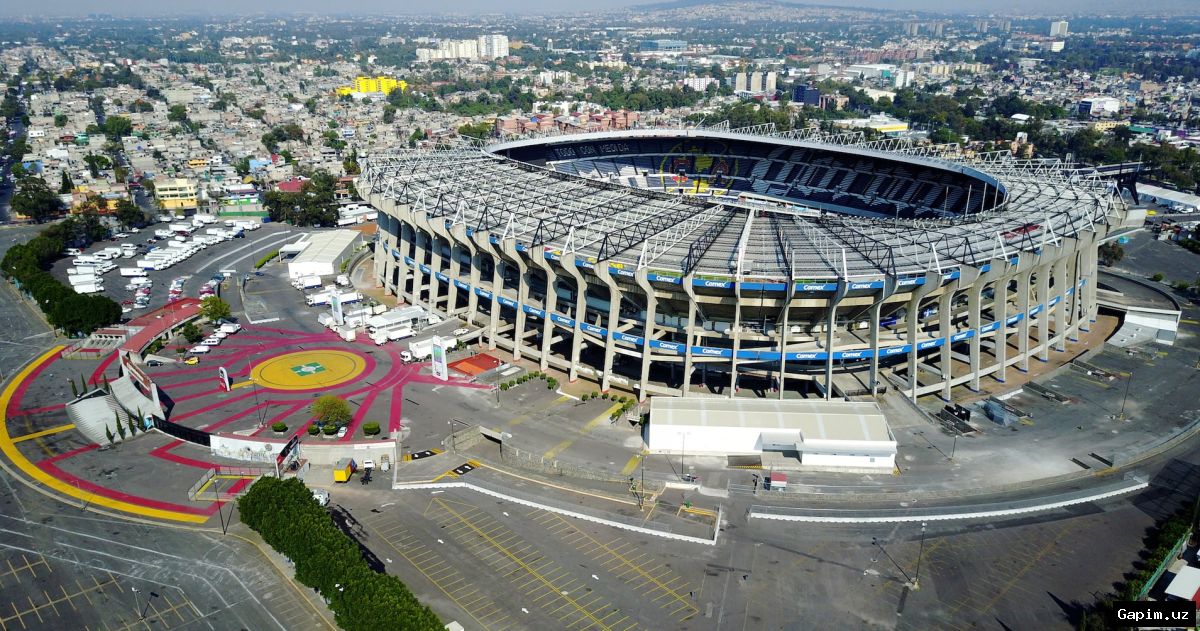
Construction of the "Colossus of Santa Ursula" began in 1961 and was completed five years later, initially holding over 107,000 fans. The stadium hosted the football tournament of the 1968 Mexico City Olympics and the finals of both the 1970 and 1986 World Cups.
After nearly two years of renovations, the 83,000-seat stadium reopened in March with a friendly match between Mexico and Portugal, ending in a goalless draw. The redevelopment included new seating, upgraded locker rooms, improved lighting, and a rebuilt pedestrian bridge.
The venue will host five matches during the 2026 World Cup, including the opening ceremony. Mexico will play two of their three group games at the stadium and could also host knockout fixtures, potentially including a Round of 16 clash with England.
Teams will face challenges due to the stadium's altitude of 2,200 meters (7,200 feet) above sea level and poor air quality in Mexico City. Sports scientists recommend either a two-week acclimatization period or a "fly-in, fly-out" approach to mitigate the effects of thin air.
Source: www.aljazeera.com