Lawmakers in the Democratic Republic of Congo (DRC) have passed a referendum bill that could pave the way for constitutional reform ahead of the 2028 elections. The National Assembly approved the legislation on June 9, with opposition members boycotting the vote in protest.
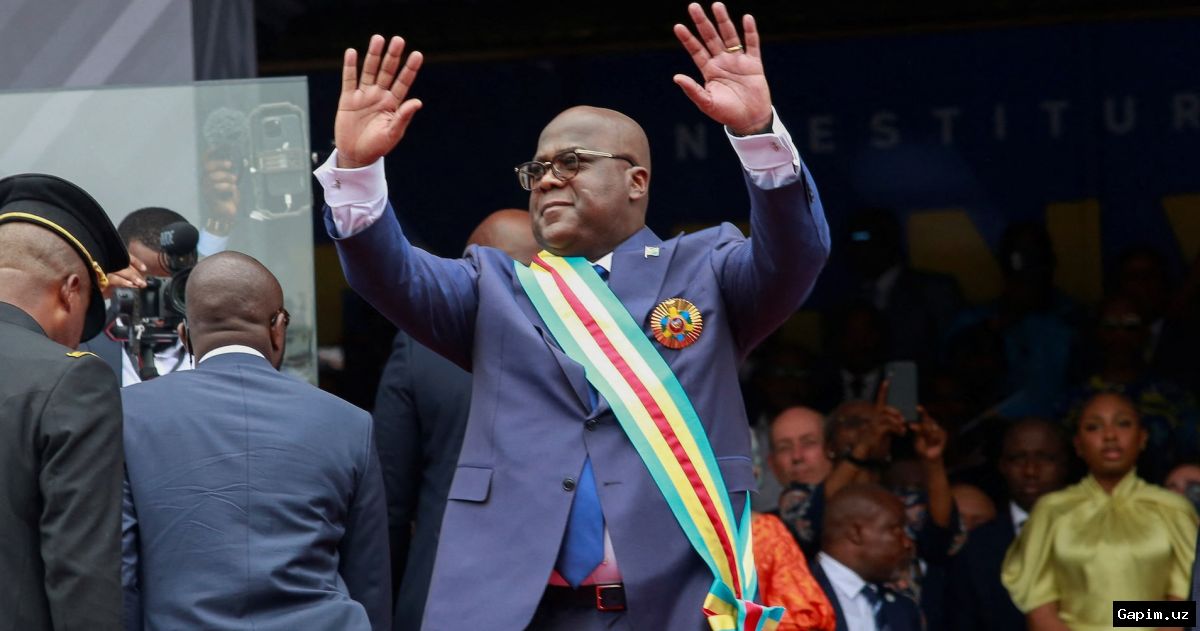
President Felix Tshisekedi, whose second and final term ends in 2028, has signaled openness to a third term, stating: "I have not asked for a third term, but if the people want me to have a third term, I will accept." His party, the UDPS, has launched a public campaign promoting constitutional changes.
Critics, including opposition leader Moise Katumbi, have denounced the bill as a "subterfuge" for a "constitutional coup." Katumbi, who came second in the 2023 election and now lives in exile, vowed resistance: "We will resist. This is only the beginning of our protests."
The current constitution prohibits amendments to the number or length of presidential terms. However, the new bill allows changes via referendum in cases of "major dysfunction" paralyzing state institutions. Legal experts question the constitutionality of this provision.
Religious groups are divided: some evangelical and Pentecostal churches support reform, while Catholic and Protestant churches warn against undermining democratic gains. The opposition has formed the "Article 64 Coalition for the Defense of Constitutional Order" (C64), uniting fragmented opposition figures.
A nationwide "ghost town" strike on June 3 was widely observed, and further protests are planned. The opposition is also seeking international backing, with Katumbi appealing to US President Donald Trump, warning of destabilization and questioning Tshisekedi's commitment to mineral deals with the US.
Analysts suggest Tshisekedi feels emboldened by international support linked to strategic mineral agreements. Tshisekedi himself claimed that "the Americans have demanded certain reforms" that require constitutional revision.
Source: www.dw.com