Nigeria has become the latest African country to repatriate its citizens from South Africa following a surge in anti-migrant sentiment. A flight carrying 268 Nigerians landed in Lagos after departing Johannesburg on Thursday. The passengers are among about 1,000 people registered with the Nigerian consulate for repatriation.
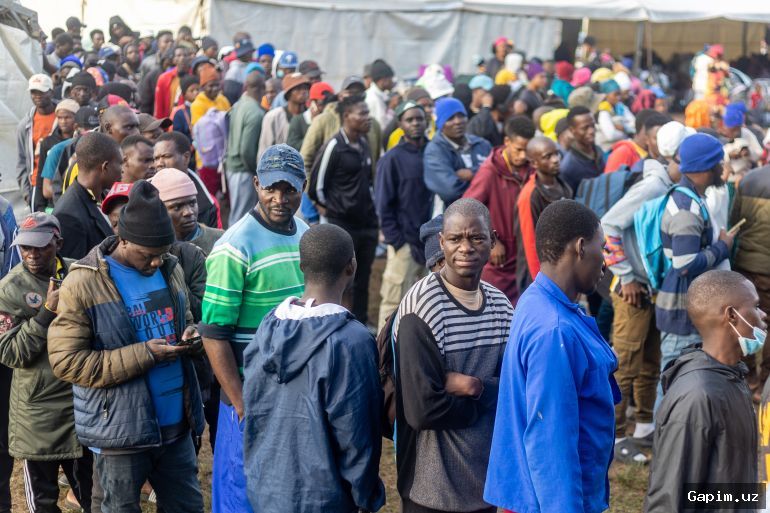
Ghana, Zimbabwe and Malawi have already carried out evacuations ahead of a June 30 deadline set by some activists for undocumented migrants to leave. Many Africans moved to South Africa after the end of white-minority rule in 1994, seeking better opportunities. However, with unemployment exceeding 30%, xenophobic attacks and protests have increased.
Justin, a Nigerian passenger who had lived in South Africa since 1998, told the BBC: “Recently they attacked me in a taxi. I ran away and left my things. They call us names and say you must leave.” Hairdresser and mother of three Chinwe Osuala said she experienced violence during an earlier wave: “I was personally attacked in my business premises. The children are scared, that’s why I came back.” She added that not all South Africans are xenophobic: “There are people who love you deeply, genuinely.”
Abike Dabiri-Erewa, head of Nigeria’s Diaspora Commission, said returnees received financial assistance of over 100,000 naira ($73) and mobile credit. No official figures exist for deaths from xenophobic violence recently. Police reported two Mozambican men killed in Western Cape but did not give a motive. Mozambican authorities claim a higher toll.
Nigeria’s Consul General in South Africa, Ninikanwa Okey-Uche, argued that migrants make up less than 10% of the population and cannot be “blamed for broken systems in education, health care, policing, unemployment.” She called for arrests of those inciting xenophobia: “They’ve caused mayhem but are walking free. Some are running for election.”
South Africa holds local elections in November, with migration becoming a major campaign issue. President Cyril Ramaphosa announced measures against illegal migration, including jailing employers of undocumented workers, setting up special courts for deportations, and creating a biometric database. He warned South Africans not to take the law into their own hands.
Source: www.bbc.com