As the formal signing of an Iran-US memorandum of understanding (MoU) approaches on Friday, Iran's political atmosphere has grown visibly tense. Hardline factions, which remained relatively muted during much of the war, are now mounting a loud campaign against the leaked terms of the agreement, accusing the negotiating team of retreat and betrayal.
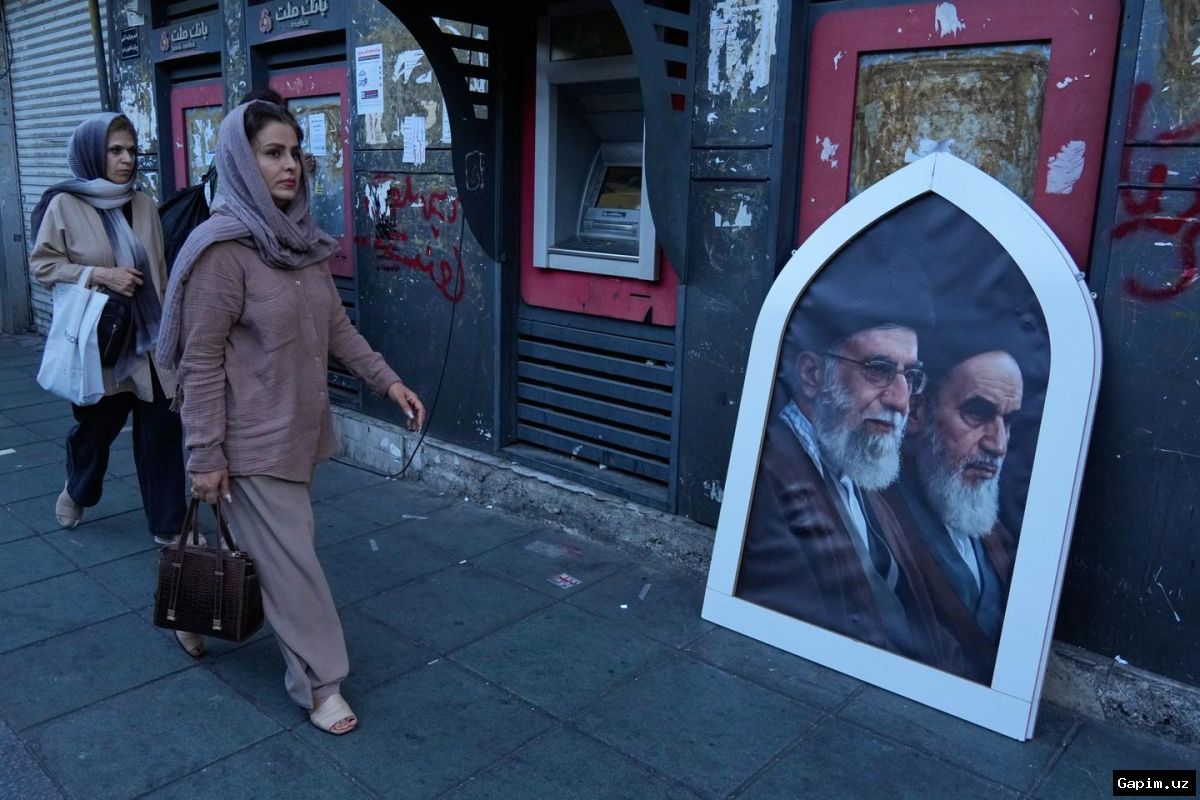
The backlash has spilled into the streets. Dozens protested outside a Foreign Ministry office in Mashhad, with similar hardline anger seen in Tehran. Demonstrators in Tehran's Ibn Sina Square shouted slogans calling for the resignation of Foreign Minister Abbas Araqchi and parliament speaker Mohammad Bagher Ghalibaf, who are seen as the principal negotiators with the US. Some protesters reportedly even called for violence against Araqchi and Ghalibaf.
Criticism has also come from hardline figures in parliament. Mahmoud Nabavian, deputy head of parliament's National Security Committee and a figure close to the ultra-conservative Paydari Front, has publicly attacked several parts of the MoU. He reportedly objected to the lack of meaningful Iranian control over the Strait of Hormuz and the vagueness of any commitment on a US military withdrawal from the region.
Babak Dorbeiki, a London-based political analyst, told DW that the backlash is about far more than disagreement over diplomatic wording. "For the Paydari camp, this is no longer a tactical issue. It has become an existential one," he said. Dorbeiki argues that the political atmosphere of negotiation does not benefit hardliners, who thrive off of confrontation.
Reza Alijani, a Paris-based political analyst, told DW that hardliners should not be mistaken for the whole regime. "Hardliners are a minority even within the minority that rules over the majority of society," he said. Alijani argues that the real divide inside the Islamic Republic is now between those moving gradually from ideology toward state interest, and those still committed to maximalist slogans and wartime rhetoric.
Analysts expect Iran's authorities to let hardliners shout and stage limited rallies, then contain them once the leadership's preferred line is set. If the agreement moves forward into talks on Iran's nuclear program, it may signal a further shift from ideological rigidity toward selective pragmatism, potentially sidelining the most uncompromising factions.
Source: www.dw.com