The European Union has decided to ban bisphenol A (BPA) and other bisphenols in food packaging from July 2026. This industrial chemical is known to interfere with the human hormonal system.
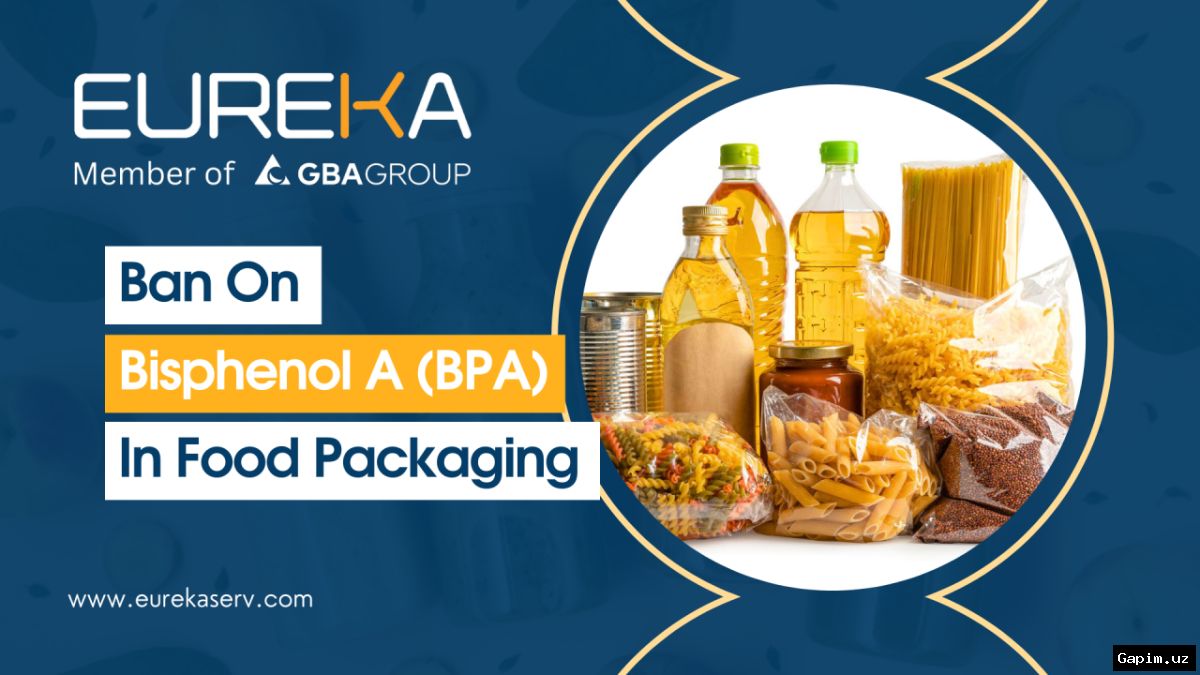
BPA was previously banned in baby bottles and thermal paper receipts. The new regulation applies not only to single-use packaging but also to plastic water bottles, lunch boxes, and kitchenware.
According to the European Food Safety Authority (EFSA), BPA poses a health risk to all age groups. It can alter immune system mechanisms, potentially triggering asthma and autoimmune diseases, and is linked to increased risk of cardiovascular disease, diabetes, and obesity.
Crucially, BPA can disrupt hormone systems, impairing male and female fertility, altering puberty onset, and being associated with certain cancers. It was tested as a synthetic estrogen substitute in the 1930s.
European Environment Agency (EEA) studies detected BPA in the urine of 92% of adult participants across 11 European countries. A US study from 2003-2004 found BPA traces in 93% of over 2,500 individuals.
The new ban is the strictest in the world, but includes exceptions. For instance, cans with BPA-based coatings for acidic foods have a transition period until 2028. Products in BPA-containing packaging may be sold until existing stock is depleted.
Experts recommend cooking fresh meals, using glass jars over cans, and choosing wooden, glass, or stainless steel utensils. Avoid plastic dishes for microwaves and look for bisphenol-free labels.
Source: www.dw.com