The United States has announced that a new round of talks between Israel and Lebanon will be held in Washington, D.C., from Tuesday to Thursday this week. The announcement came shortly after Israel and Hezbollah announced a renewed ceasefire in Lebanon, where ongoing attacks have threatened to derail the US-Iran memorandum of understanding (MoU) to end the war. Iran, which backs Lebanon’s Hezbollah, has made a ceasefire in Lebanon a key condition in its ongoing negotiations with the US.
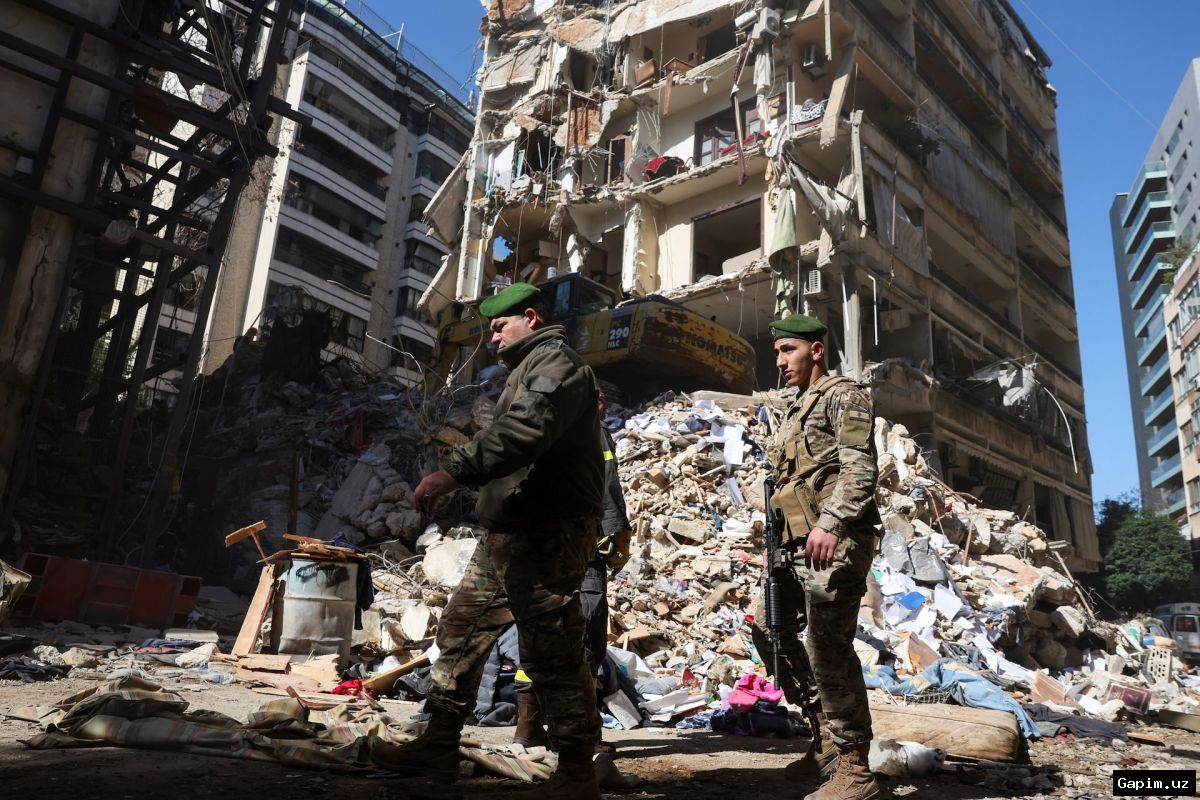
Israel has occupied about one-fifth of Lebanon and continued near-daily attacks on southern Lebanon and Beirut since early March, when Hezbollah fired rockets into northern Israel in response to the first US-Israeli attacks on Tehran on February 28, which killed Iran’s supreme leader, Ayatollah Ali Khamenei, and several senior officials. More than 4,000 people have been killed in Israeli attacks in Lebanon, and more than one million have been displaced from their homes as Israeli forces have advanced northwards.
On Monday, mediators Qatar and Pakistan said the US and Iran agreed on a new roadmap towards reaching a final deal following what they described as “encouraging progress” during the first day of high-level talks in Switzerland. Sixty-day talks triggered by a Memorandum of Understanding (MoU) signed by US President Donald Trump and Iran’s President Masoud Pezeshkian on Wednesday last week had been due to start on Saturday, but were delayed by Israeli attacks on Lebanon.
US Vice President JD Vance said Monday the US and Iran will establish “coordination mechanisms”, one to oversee the ceasefire in Lebanon and one to de-mine the Strait of Hormuz. Vance said technical negotiations on other sticking points for a US-Iran peace deal will follow over the “weeks and days to come”. “We do believe … that we can get to a place where Lebanon’s territorial integrity and sovereignty are protected, Israel’s security is protected,” Vance said, adding that this would require coordination with Lebanese armed forces and Iran reining in Hezbollah.
Iranian Foreign Minister Abbas Araghchi hailed “major progress” towards ending the war in Lebanon, but cautioned that the first real test of the agreement would be the effectiveness of the de-confliction cell. Hezbollah, however, has condemned the upcoming talks, demanding the full withdrawal of Israeli forces from Lebanon first. Israel has repeatedly stated it will not withdraw from Lebanon.
Israeli Prime Minister Benjamin Netanyahu has pledged to occupy southern Lebanon “as long as is necessary”. In an interview last Thursday, Vance said of Israel: “I guess my response to them would be: What is your exact proposal? You’re a country of nine million people. You can’t just kill your way out of solving every single national security problem that you have.” Late Monday, Netanyahu again insisted that the Israeli military would act with “full freedom” to engage any threat in southern Lebanon and remain deployed as long as deemed necessary.
Source: www.aljazeera.com