A decade after the UK voted to leave the European Union, a YouGov poll marking the anniversary finds that only 30% of Britons now believe leaving was the right decision, down from 64% in 2016. A clear majority of 57% think it was wrong, and 60% judge Brexit an outright failure.
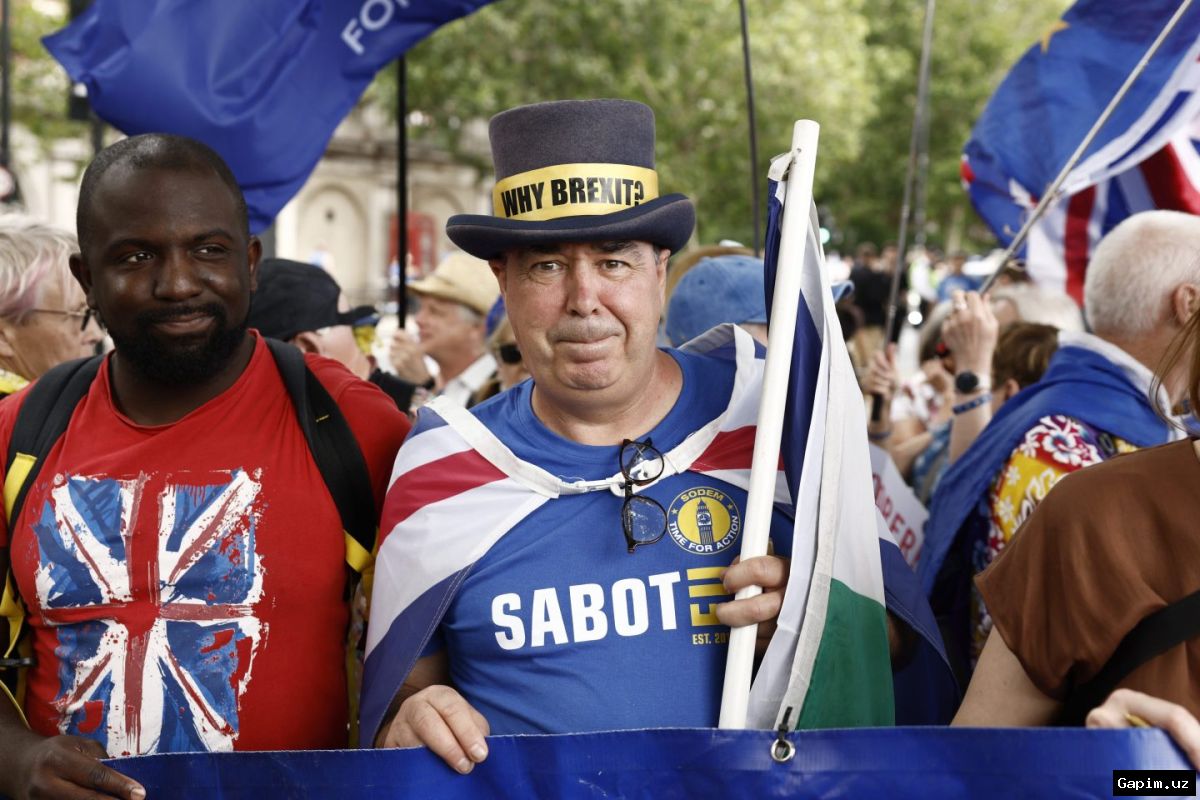
The economic toll is evident: the Bank of England estimates the UK economy has shrunk by 6% due to Brexit. Economists widely agree the “honeymoon” is over, with “Bregret” becoming a common term. However, the lasting legacy may be societal rather than economic.
Experts argue Brexit has reshaped Britain’s political culture, normalizing extreme rhetoric and exclusionary attitudes. Anti-immigration sentiment, racism, and Islamophobia have moved from the fringes to the mainstream. Slogans like “Stop the Boats” and “Stop the invasion” are now common, endorsed by far-right figures such as Tommy Robinson.
Policy has followed rhetoric: successive governments have toughened immigration measures, including offshore processing, threats to leave the European Convention on Human Rights, and deportation schemes to third countries. Detention without limits, criminalization of sea rescues, and conflating refugees with criminals have become normalized.
The societal impact is stark. The murder of Labour MP Jo Cox by a far-right extremist a week before the referendum, and recent anti-immigrant riots in Belfast, highlight the toxic polarization. British Muslims face a double burden of ethnic and religious discrimination.
Analysts warn that Brexit has fueled disinformation and information warfare, targeting minorities while aiming for political control. With economic woes persisting and the Reform UK party gaining ground, the debate over sovereignty and immigration remains contentious. Without rectification, Britain will need more than economic recovery to heal societal trust.
Source: www.aljazeera.com