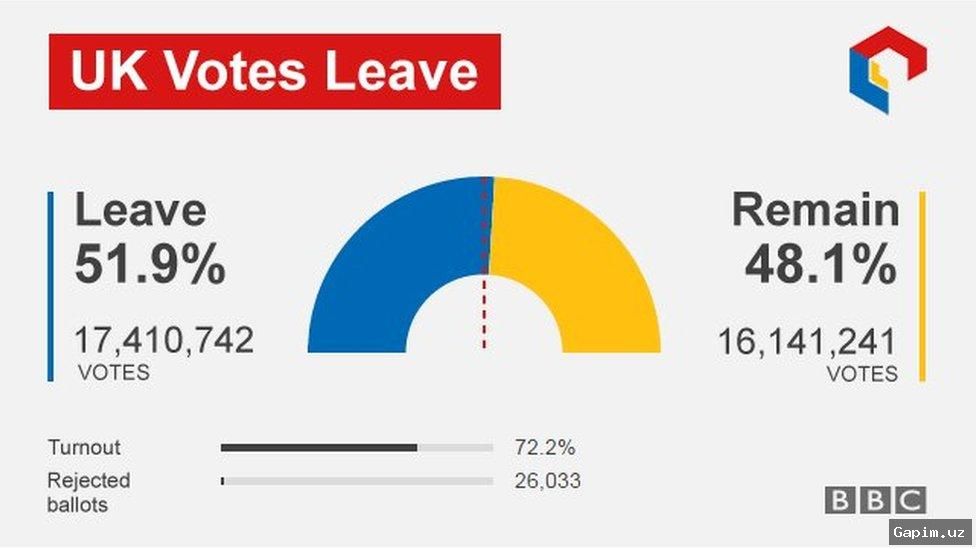
On June 23, 2016, exactly a decade ago, a narrow referendum saw just over half of Britons vote to leave the European Union (EU) after years of campaigning that Britain would be better off outside the bloc.
Ten years on, the promises made during the referendum campaign have largely failed to materialize. Research suggests the UK economy is smaller than it would have been, migration is higher, and compared to its peers, the UK is falling behind.
To understand Brexit, one must go back to 1973, when Britain joined the European Economic Community (EEC) driven by sluggish economic growth. According to the Centre for Economic Policy Research (CEPR), Britain’s GDP per capita was almost 30% higher than that of the EEC nations in 1950, yet by 1973 it was roughly 10% lower.
Scepticism about deeper integration never faded. By the early 2010s, pressure from Eurosceptic MPs within Prime Minister David Cameron’s Conservative Party, amplified by the rising threat of Nigel Farage’s UK Independence Party (UKIP), pushed Cameron into a political gamble: a promise to hold a referendum on EU membership if re-elected.
On June 23, 2016, the vote was held, but the result did not go as planned. Smaller towns and rural areas tended to vote Leave, while major cities voted Remain. Cameron resigned, Theresa May took over but failed to get her deal through parliament, and Boris Johnson oversaw the UK’s departure on January 31, 2020.
Over the past decade, real GDP per capita in the UK has lagged behind the EU’s 27 members. By 2025, the UK was running five index points behind the bloc. Economists project average annual growth of just 1.3% between 2026 and 2030, reflecting the ongoing drag of trade barriers.
Business investment in the UK also pulled back sharply after the 2016 vote, with some studies putting the investment shortfall at 12-18% compared to a non-Brexit scenario. According to the Office for Budget Responsibility, Brexit has made the country less productive by about 4%.
Trade with Europe is on course to be about 15% lower in the long run. According to HSBC Global Investment Research, border checks alone have cost the UK £4.7bn ($5.9bn) up to 2024. Sanitary controls on food trade cost traders about £54m ($71.5m) every year.
Within hours of the Leave result, the pound fell more than 10% against the dollar, dropping from $1.48 to as low as $1.32 — the largest single-day drop in modern history. A weaker pound made imports more expensive, pushing up prices. The pound has not returned to pre-Brexit levels.
Migration has not come down as promised. The UK replaced free movement for EU citizens with a points-based system. Net migration from the EU turned negative by 2022, but net arrivals from non-EU countries surged, pushing total net migration to a record high in 2023.
After Brexit, 6,800 European regulations were copied into UK law to prevent a legal vacuum. A decade on, only a third have been amended or repealed. However, leaving the EU allowed Britain to pass laws it could not introduce as a member, including banning the export of live animals for slaughter, regaining control of territorial waters, and scrapping VAT on women’s sanitary products.
According to a June 2026 YouGov poll, 57% of Britons now believe leaving the EU was the wrong decision versus 30% who believe it was right. An Ipsos poll found that 52% think the UK should apply to rejoin the EU. About two-thirds of 18- to 24-year-olds say they would vote to rejoin, compared with little more than a third of those over 65.
Source: www.aljazeera.com