In early June, the Taliban regime detained at least 30 women in the western city of Herat over alleged violations of dress-code rules, according to the UN Assistance Mission in Afghanistan (UNAMA). The arrests triggered rare protests in Injil district, a predominantly Shiite area.
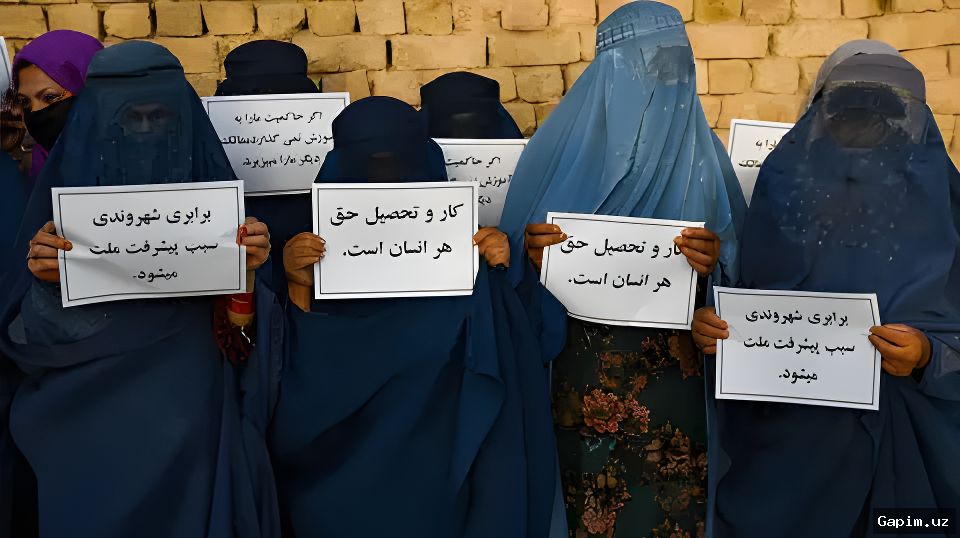
Taliban forces responded with violence, shooting at protesters, killing at least two people, including a child, and wounding more than 20 others. The Taliban have denied the arrests, but women's rights activists see them as part of a broader system of repression.
Two members of the Afghan Women's Movement Network, speaking anonymously for security reasons, described the arrests as a symbol of suffering under 'gender apartheid.' One activist said: 'The Taliban are arresting women for the crime of choosing how to dress.'
Former Afghan diplomat Nigara Mirdad said the protests show resistance and solidarity between men and women, challenging the Taliban's narrative imposed through force. The crackdown comes as the Taliban mark five years since their return to power in August.
Religious scholar Mohammad Osman Tariq argued that the Taliban's tightening control, including a ban on smartphones for officials, stems from anxiety about their rule. 'They view all of this as a threat to their rule and existence,' he said.
Former parliamentarian Shinkai Karokhail said the regime has failed to provide services or jobs, fearing a public uprising. 'Women are the easiest and a soft target against whom they can use force to silence them,' she added. The international community's attention has shifted elsewhere, allowing the Taliban to remain in power.
Source: www.dw.com