Political campaign groups linked to the Republican Party in the United States have reportedly been funding Democratic candidates in ongoing primaries in an effort to boost “weak” candidates they believe are likely to be defeated by Republicans ahead of midterm elections in November.
US media outlets have reported claims of this happening in New Jersey, Maine, Texas, Pennsylvania and Nebraska. The midterms often serve as a litmus test of a US administration’s popularity and can decide which party controls Congress – control that will be vital for the success of US President Donald Trump’s policies for his final two years in office.
Democrats are currently a minority in both the House of Representatives and the Senate, but are pushing to flip the two chambers in November. Here’s what we know about the Republican-linked groups, known as political action committees (PACs), that are believed to be funding Democratic Party candidates.
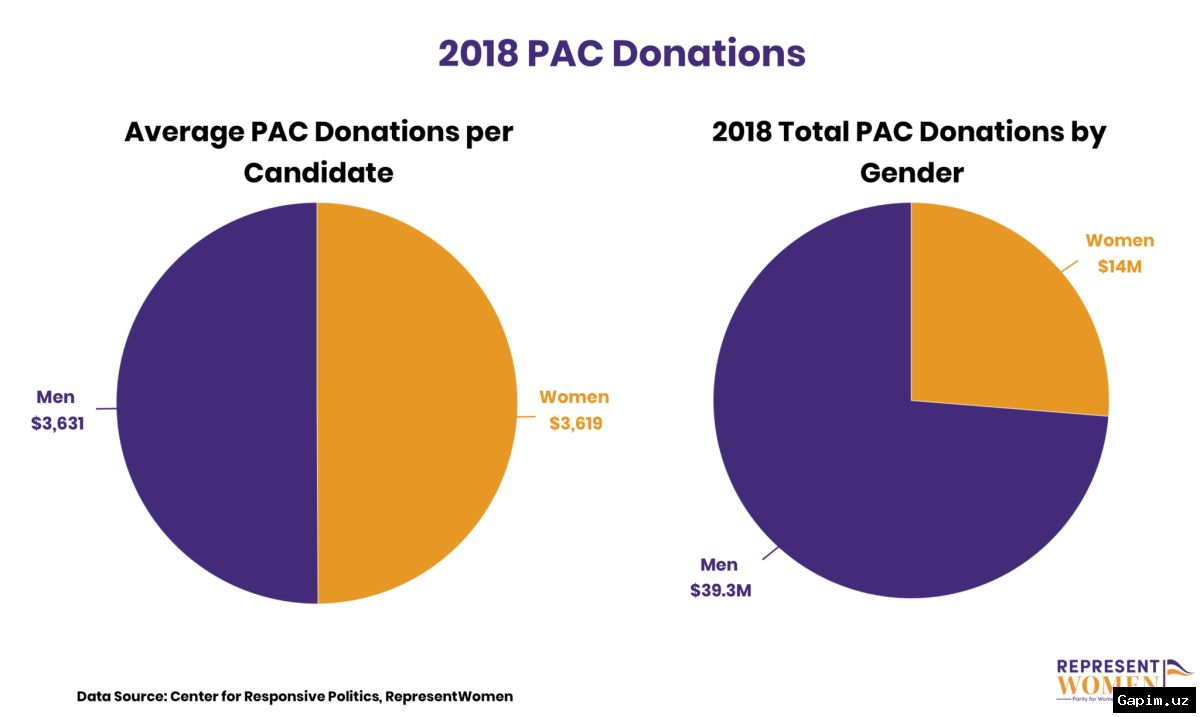
PACs are independent organisations that raise funds to lobby for or against a political party or candidate during elections. They can be highly influential in US election campaigns. In 2010, the Supreme Court ruled that special-interest organisations have the same free speech rights as individuals, clearing the way for “super PACs” that can raise and spend unlimited funds.
New super PAC submissions to the Federal Election Commission over the weekend indicated that two “pop-up” super PACs, Real Change PAC and Lead Left, spent more than $4.3m to boost controversial Democrats whom Republicans believe will be relatively easy to defeat. Both are linked to the Conservative Americans PAC, funded by a non-profit called the American Prosperity Alliance, whose donors are unknown.
The results have been mixed. In Texas, Maureen Galindo lost the Democratic primary despite $750,000 in support. In Maine, Matt Dunlap won with about $500,000. In Nebraska, John Cavanaugh lost narrowly after $435,000 was spent against him.
Democrats have also boosted Republican candidates in the past. Conservative Americans PAC spokesperson Samantha Bullock confirmed the strategy, calling it payback for Democrats “meddling”. The Democratic Congressional Campaign Committee condemned the move, saying Republicans’ tactics had “backfired”.
Observers say super PAC interventions have turned US elections into a money game since 2010. Candidates need wealthy PAC support to fund advertising and campaign staff, and those without such support are unlikely to win primaries.
Source: www.aljazeera.com