The head of the International Atomic Energy Agency (IAEA), Rafael Grossi, announced that inspections of Iranian nuclear facilities will take place as part of the interim agreement signed by Washington and Tehran. The statement came after contradictory remarks from the US and Iran.
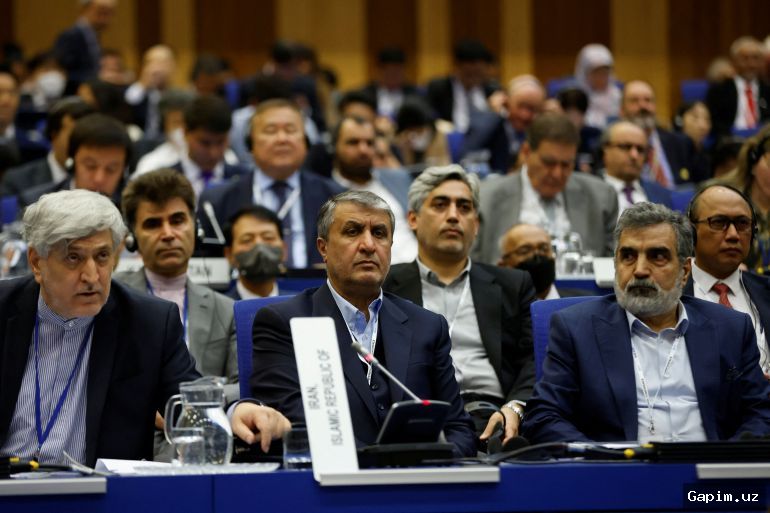
Speaking at a press conference, Grossi said: “I can understand political statements, they are part of the reality, but the fundamental thing is that there has been a Memorandum of Understanding, signed by both presidents. It says explicitly that nuclear activities related to nuclear material facilities will be supervised by the IAEA.”
He added that inspections will happen “whether this happens the day after tomorrow or in one week or in 10 days, it’s important, but not essential. This is going to happen.” Since a 12-day war on Iran by Israel and later the US in 2025, the IAEA has been blocked from accessing Iranian enrichment sites.
Iran’s top negotiator, Mohammad Bagher Qalibaf, called the interim agreement “America’s declaration of defeat.” Speaking at a conference in Azerbaijan, he said: “The Islamabad Memorandum of Understanding became a declaration of America’s defeat.”
Qalibaf stressed that only Middle Eastern countries can ensure regional security and that Iran is ready to cooperate on the basis of “non-interference in internal affairs and respect for sovereignty.” He also emphasized that a ceasefire in Lebanon is as important to Iran as one in Iran.
Meanwhile, the European Union Aviation Safety Agency (EASA) extended a warning for airlines to avoid airspace over Iran, Iraq, and Lebanon until July 1. The agency cited “ongoing high level of tensions and the potential for further military action,” noting that Iran maintains a high alert for its air force and air defense units.
EASA also said the fragile ceasefire between Israel and Hezbollah does not eliminate the potential for military activity affecting Lebanese airspace. “While the overall level of risk has decreased, the sustainability of the ceasefire remains uncertain, with a possibility of rapid escalation,” it added.
The conflicts in the Middle East have led many airlines to cancel flights to and from the region and increased ticket prices as fuel supplies through the Strait of Hormuz have dwindled.
Source: www.dw.com