As Washington and Tehran negotiate the implementation of an interim peace deal that ended the Iran war, the US has lifted restrictions on Iranian oil trade until August 21. The sanctions relief is a central pillar of the peace framework signed last week.
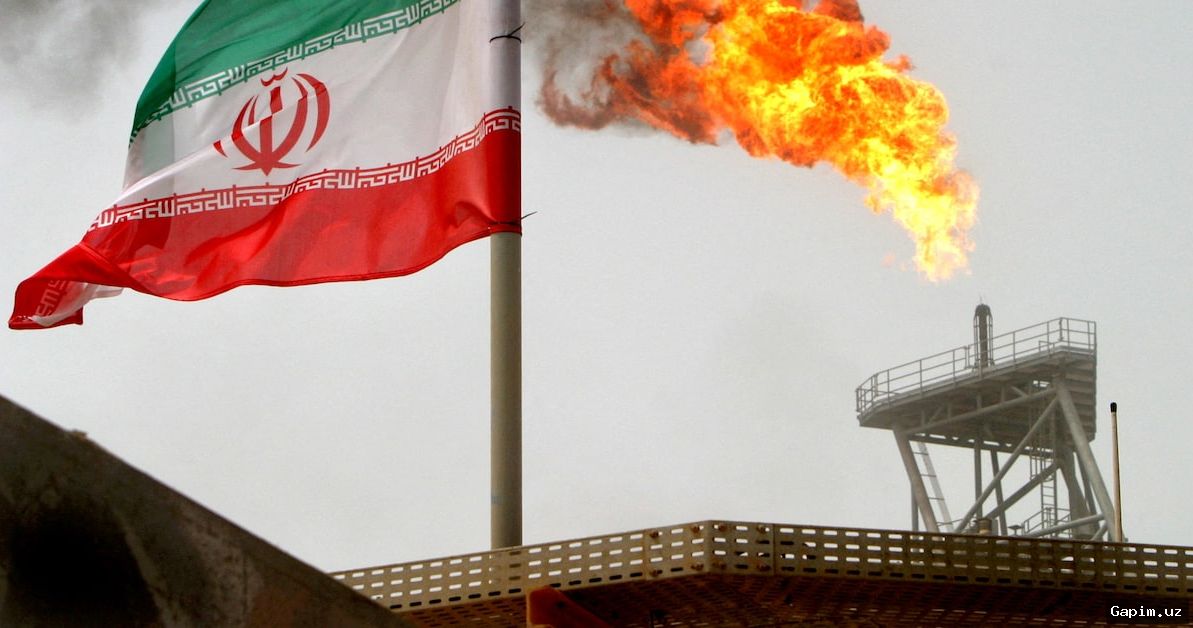
At the same time, the US and Qatar are looking into the release of around $6 billion (€5.3 billion) from frozen Iranian oil revenues. According to US President Donald Trump, the money will be "used for the purchase of food and medical supplies, exclusively from the United States, including Corn, Wheat, and Soybeans from our great American farmers. These are things that are desperately needed by Iran."
Tehran denies any obligation to buy food from American farmers. But it is clear that Iran badly needs the money — according to preliminary estimates by the Iranian government, the war with the US and Israel caused around €229 billion in damages. The Memorandum of Understanding also mentions a $300 billion payout for reconstruction, but details remain unclear.
Iran's government has already been forced to borrow large amounts from the central bank to cover war expenses, according to Economy and Finance Minister Seyed Ali Madanizedah. The loan is expected to boost inflation in the coming months. "An agreement with the US will not fully normalize the Iranian economy," said Madanizedah, who holds a PhD from the University of Chicago.
Economy expert Ahmad Alavi does not expect any noticeable short-term improvements, pointing to the now-defunct JCPOA deal — increased oil revenues and lower outside pressure kept Iran's economy on "life support," but without deep structural reforms, the effects remained limited.
The crisis is most noticeable in grocery shops — a carton of 15 eggs that cost 70,000 toman (€0.37) a year ago is now over 200,000 toman. Prices of cooking oil and imported rice have also surged. "The prices are rising literally every day," a 28-year-old Iranian told DW. "My husband and I both work and we have a small child. We still need to give up so many things."
The dollar exchange rate is now around 150,000 toman per dollar, down from 190,000, but the reduction has not translated into economic relief for consumers. A mother from Tehran said that as rents continue to rise, more people are forced to give up apartments or move in with relatives.
Even regime officials are voicing concerns of social unrest. According to a survey by an agency affiliated with Iran's Interior Ministry, much of the population suffers from economic strain. Agency head Mohammad Bathaei warned that 60% of participants said they could no longer deal with the crisis, and 80% feel they are treated unjustly.
President Masoud Pezeshkian also warned that economic issues could lead to protest. "I feel that we will not be able to sufficiently meet the population's needs and that this displeasure could once again be expressed on the street," he said. Sociologist Mehrdad Dabishpout says Iran's political system is fighting for survival, with the war leaving deep social and psychological scars.
Source: www.dw.com