Human-induced climate change has intensified the current European heat wave by 2 to 4 degrees Celsius (3.6 to 7.2°F), turning a typical summer weather pattern into an "extraordinary" event, according to an analysis by the scientific platform ClimaMeter. The burning of oil, coal and gas is blamed for the temperature boost.
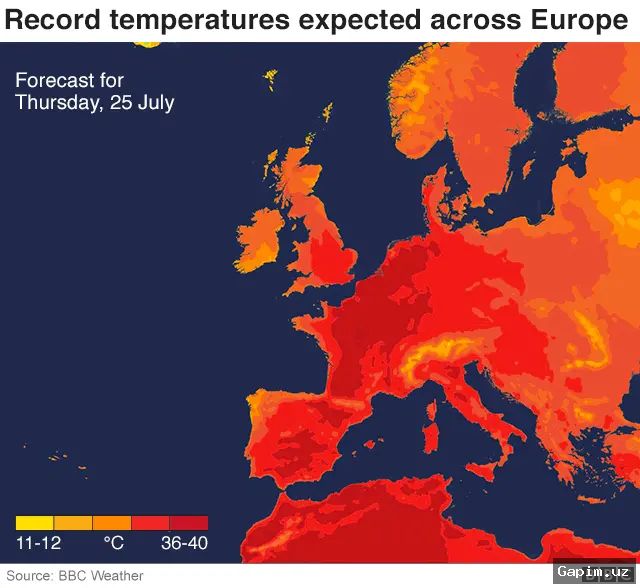
The heat wave has pushed temperatures above 40°C (104°F) in countries like France and Spain, causing power outages, school closures, and sending people scrambling for relief. The International Federation of Red Cross and Red Crescent Societies (IFRC) has warned of "serious health risks" in the coming days, particularly for the elderly, children, pregnant women, and those with chronic illnesses.
"This is a clear fingerprint of human-induced climate change," said Marco Chericoni of the Euro-Mediterranean Center on Climate Change in Italy. "It is making European heat waves more intense and more dangerous." Extreme heat is the deadliest form of extreme weather, killing around half a million people annually, though experts say the true number is likely much higher.
A 2025 study in the journal Nature found that emissions from 180 carbon majors, including fossil fuel and cement producers, "substantially contributed" to 213 historical heat waves reported between 2000 and 2023. Since 1959, 41 regions worldwide have experienced heat waves previously considered "statistically implausible" — occurring less than once in 10,000 years.
"If temperatures like these become the norm in the coming decades, major impacts will be unavoidable," said Davide Faranda, a climate physicist and coordinator of ClimaMeter. "The good news is that we still have agency: rapid reductions in greenhouse gas emissions can keep today's extremes from becoming tomorrow's average summer."
Europe is the fastest-warming continent, with ClimaMeter noting that extreme heat events have already been rising faster than predicted. In the Mediterranean, future increases in hot events could double previous projections. Adaptation measures such as expanding green spaces, improving building designs, and deploying heat action plans are urgently needed.
Source: www.dw.com