Hostility toward foreigners has flared repeatedly in South Africa for decades. Now, protests against irregular migration have turned increasingly violent in multiple cities, driven by right-wing movements and vigilante groups demanding that undocumented migrants leave by June 30. Fears of escalation are rising.
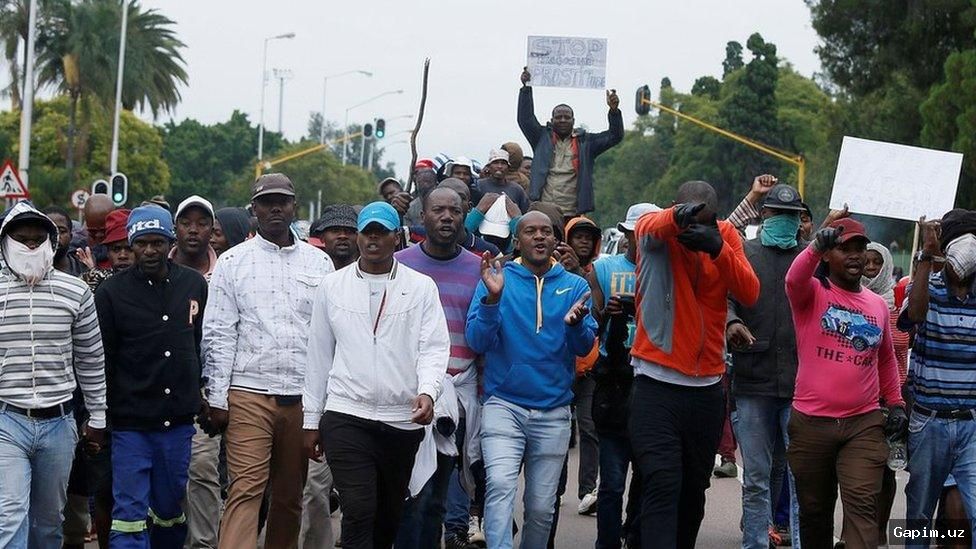
Jo Veary, co-director of the African Center for Migration & Society at the University of the Witwatersrand, links radical protest groups to right-wing populist parties such as ActionSA. Groups like "March and March" and "Operation Dudula" are central. Veary also points to ties with former President Jacob Zuma's MK Party.
"They blame foreign residents for the shortcomings in the country's social services. Ultimately, it's about gaining political support and votes in the elections," Veary told DW. With local elections due in November 2026, tensions are high.
Yet migrants play a significant economic role. Zimbabwean telecoms entrepreneur Strive Masiyiwa's Cassava Technologies is partnering with Nvidia to build Africa's first AI factory. Angola's state-run oil giant Sonangol, Mozambique's Matola Gas Company and Nigeria's Dangote Group are also active across energy and manufacturing.
A 2025 Afrobarometer survey found that 69% believe immigrants harm the economy, despite estimates that each migrant creates about two jobs. Vearey said deporting all foreigners would not solve structural problems like unemployment.
Current protests are already causing socioeconomic damage. The forced closure of foreign-owned businesses means South Africans are losing jobs, and tax revenue is lost. Disruption also affects regional trade.
Some protesters on social media are now calling for foreign workers to return. Major unions, including COSATU, have urged de-escalation and warned against joining June 30 protests. "Removing foreign nationals from workplaces will not reopen factories," the unions said.
Aimee Noel Mbiyozo of the Institute for Security Studies said foreigners, especially African entrepreneurs, are afraid. Larger foreign-owned companies fear economic repercussions and reputational damage.
Mbiyozo stressed the need to distinguish between vulnerable migrant workers and organized crime networks. Veary added that xenophobia has persisted since 1994, compounded by weak government communication and lack of accountability.
Source: www.dw.com