Janet Kapito left her village in Malawi for South Africa in 2022, hoping to save enough to buy land and build a house. Instead, the 27-year-old mother of three returned with her eight-month-old baby and little else after fleeing anti-foreigner violence. Even the few belongings she carried were stolen on a bus ferrying Malawians home ahead of the June 30 deadline.
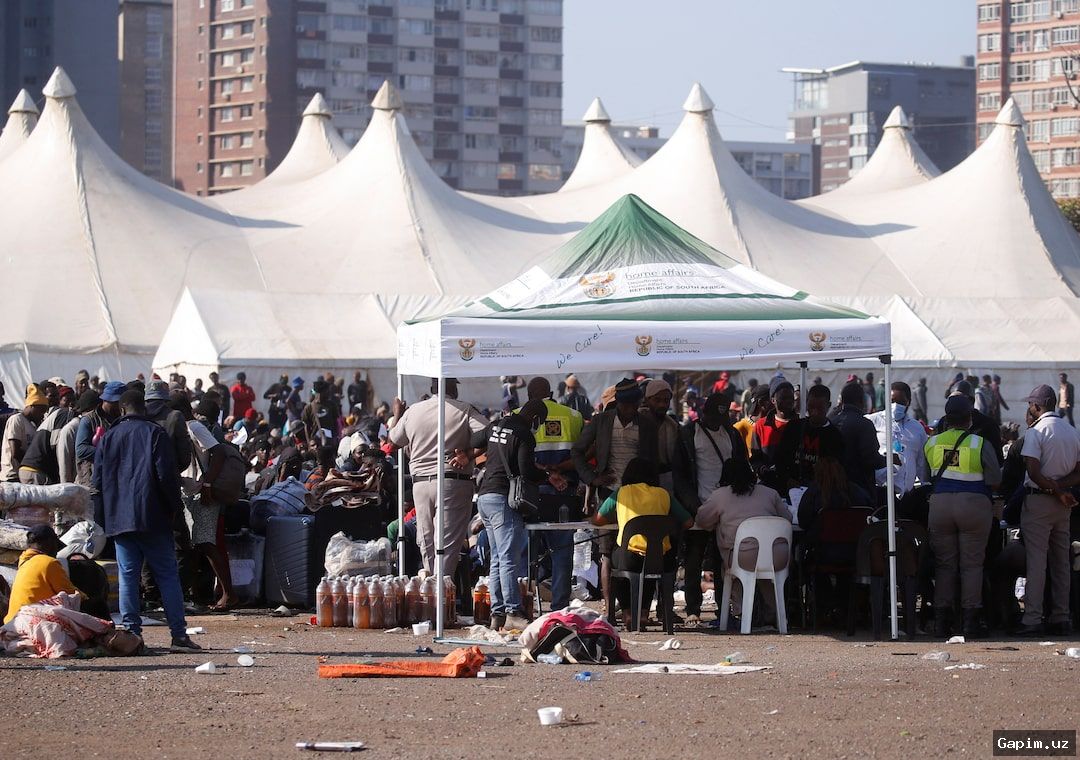
“I was staying indoors after the protests started and I could not work,” Kapito told Al Jazeera. She earned 2,000 rand a month working at a restaurant owned by a Nigerian. Her husband is still making his way home.
With no money left, Kapito received 70,000 Malawian kwacha (about $40) at Kamuzu Stadium, where returnees are processed before traveling to their home districts. Local media report that 6,936 Malawians have returned since the repatriation exercise began.
South African authorities say 15,162 Malawian nationals have been processed for deportation and repatriation. Many returnees told Al Jazeera they had borrowed money at high interest to travel to South Africa and are still struggling to repay loans.
Thokozani Mphola, 33, left South Africa for survival. “I said if I am going to die, let me die in my home country,” she said. She moved to South Africa in 2024 and worked at a small factory packaging roasted groundnuts.
Idrissah Akilemu, a father of two, said his house in Johannesburg was burned down during a night raid by protesters. “I realized this was war, not a demonstration,” he said. He lost everything and hopes to start a small business.
Source: www.aljazeera.com