For several months, Ukrainian forces have been systematically targeting energy infrastructure in Russian regions and the illegally annexed Crimean Peninsula. In June alone, refineries in Moscow, Nizhnekamsk, Tyumen, and Volgograd were struck. In May, a total of 16 refineries came under attack.
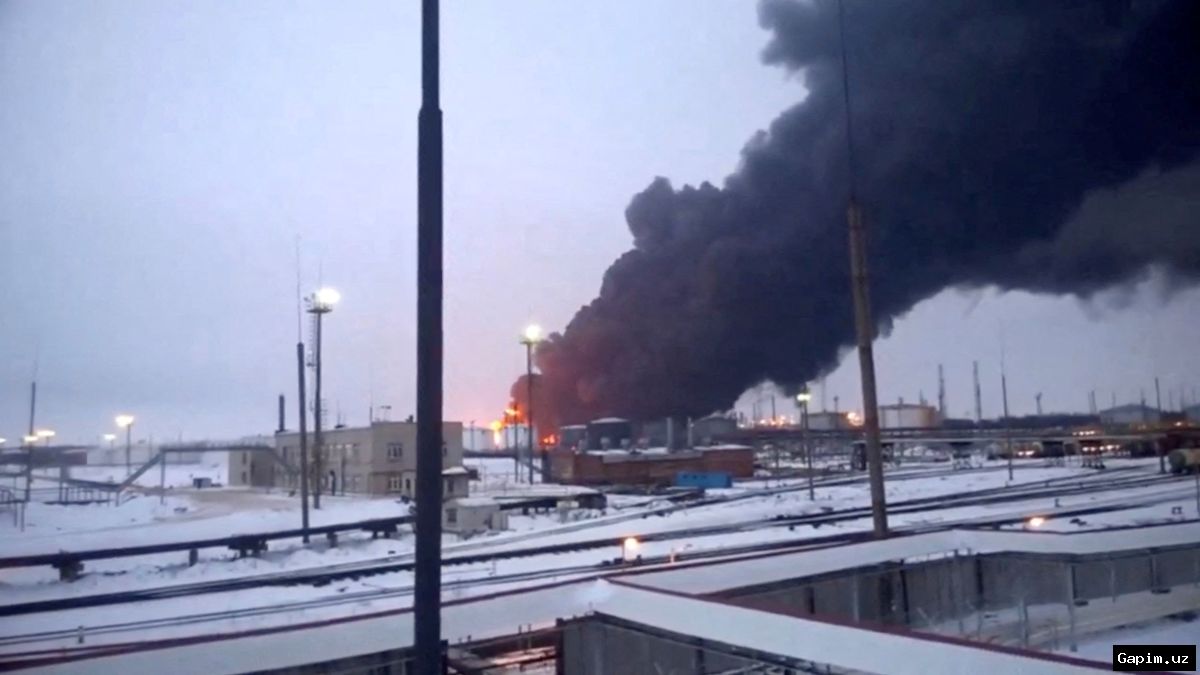
As a result, gasoline production in Russia has dropped by 25%, according to Reuters. The country is now producing only 85,000 metric tons of gasoline per day, while summer demand stands at 110,000 metric tons. Experts at the US think tank Energy Intelligence warned that Russia may be heading toward its worst fuel crisis in history this summer.
On June 28, Russian President Vladimir Putin publicly acknowledged for the first time that there are "certain fuel shortages." In an interview on state television, he said there is "some damage" but insisted the problems are not critical. Political scientist Zavadskaya from the Finnish Institute of International Affairs noted that Putin was forced to admit the problem exists and, crucially, identified its cause — Ukrainian drone attacks.
According to estimates by Russian business outlet RBC, 40 Russian regions have already imposed restrictions on fuel sales. The independent news outlet Vyorstka reported that as many as 78 regions may be affected. Long lines have formed at gas stations in many cities.
Christina Harward, an expert at the Institute for the Study of War (ISW) in Washington, DC, said Ukraine has significantly scaled up the quantity and quality of its drones, improved their range, and is actively targeting Russian air defense systems. At the same time, Ukrainian forces are attempting to disrupt Russian military supply routes near the front line.
British historian Mark Galeotti argued that Ukraine has identified Crimea as one of Russia's key vulnerabilities. "It's very hard to keep resupplied. It's very hard to keep up with fuel and power and water and all the things it needs," he said. "They're hoping that by turning the screw on Crimea, they force Putin to begin to get serious about peace negotiations on their terms."
However, Galeotti acknowledged that the campaign could prompt Putin to escalate the conflict. He listed options such as mobilizing reservists or sending conscripts to the front, but described these as "self-harming options." The use of tactical nuclear weapons is considered "incredibly unlikely."
Overall, experts see no imminent collapse of the Russian economy or mass uprisings, but they doubt Russia can sustain the war at its current intensity for much longer. The damage to the economy is becoming too great, necessitating consideration of alternatives.
Source: www.dw.com