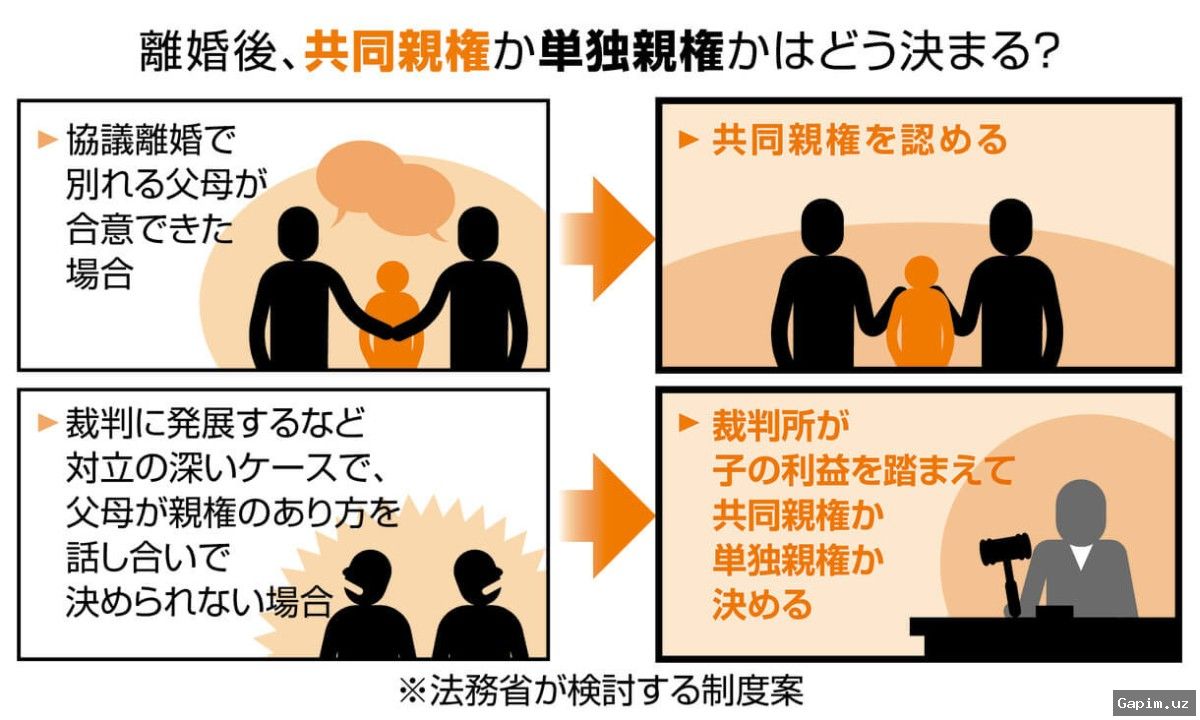
Japan introduced joint custody for divorced parents in April, becoming the last G7 country to move away from sole custody. The revised Civil Code requires parents to jointly decide on major issues like the child's residence and school, with family courts stepping in if no agreement is reached.
Mariya Yamada, a 46-year-old TV personality, told DW the law change finally pushed her and her husband to divorce after five years of separation. "My husband kept saying he didn't want to lose custody of our son, but now he can finally accept the divorce," she said, showing her completed divorce certificate.
However, experts argue the system still fails to prioritize children's best interests. Shinji Nozawa, a professor of family sociology at Meiji Gakuin University, noted that children often lose contact not only with one parent but also with grandparents. "For a child, losing half of the network of people who loved and cared for them is a big problem," he said, adding that the lack of court intervention is a major flaw.
A 26-year-old Tokyo woman, whose parents divorced when she was in elementary school, recalled that her father was granted sole custody due to financial stability, even though both children felt more attached to their mother. "I always wished I could have lived with my mother," she said. "If children are old enough to have their opinions, adults shouldn't make these decisions on their own."
The reform has sparked debate, especially as international marriages and divorces become more common. In 2020, the European Parliament warned of numerous unresolved parental child abduction cases involving EU and Japanese nationals. The UN Committee on the Rights of the Child has repeatedly urged Japan to better implement the Convention on the Rights of the Child.
Seiya Sato, a family law attorney in Tokyo, reported a rise in consultation cases since the reform, with five to ten inquiries per week, including international divorces. Many clients are fathers from the US or Europe married to Japanese women, shocked that the previous system allowed only one parent custody.
Tomoko Taguchi, a 47-year-old single mother of three, remains skeptical. She fears joint custody could blur responsibilities, including child support. "Someone who doesn't share day-to-day parental responsibilities shouldn't be able to simply interfere in major decisions," she said, noting she works almost every day to support her children while her ex-husband pays minimal child support.
Source: www.dw.com