UK Culture Secretary Lisa Nandy has announced her departure from X, accusing the social media platform of prioritizing "abuse and misinformation over meaningful debate." Nandy, who previously raised concerns about online safety and the spread of false information, said the Department for Culture, Media and Sport (DCMS) would also exit the platform, which she described as "unhealthy for our democracy or our communities."
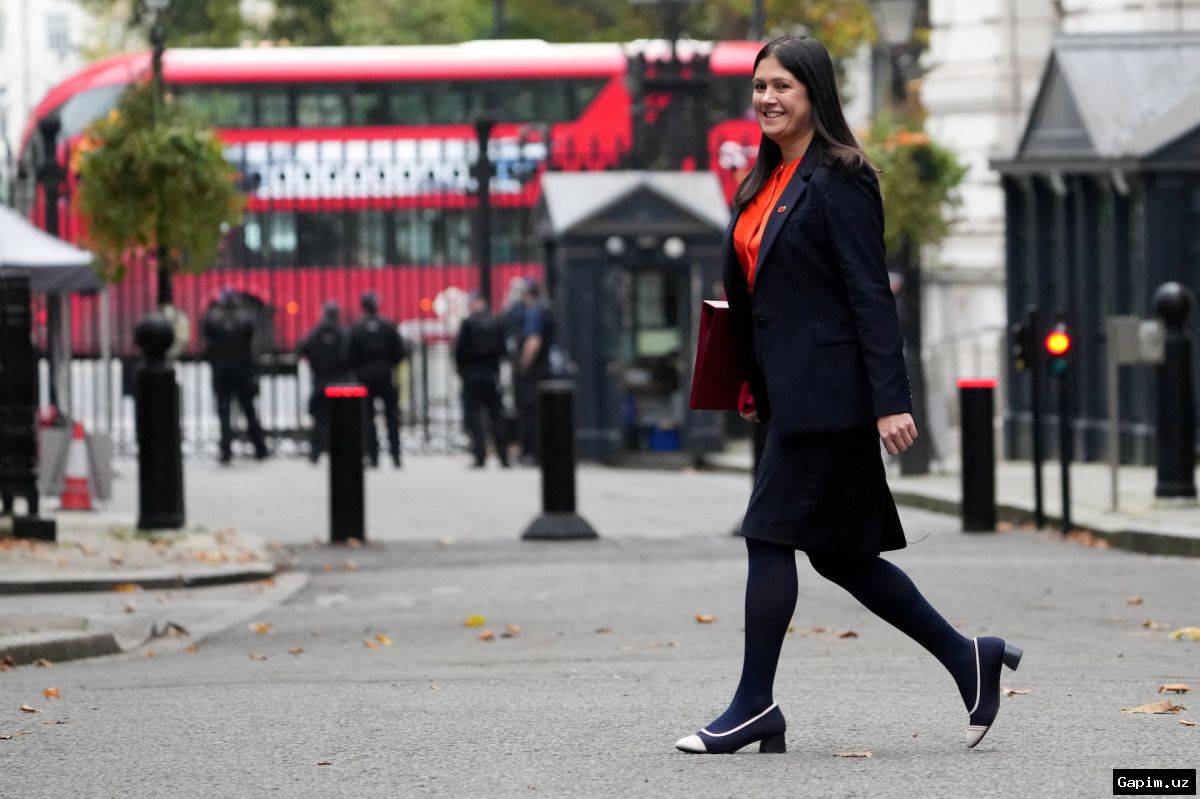
The announcement, made via a post on X on Thursday, drew no immediate comment from the platform. DCMS becomes the second UK government department to cease using X, following the Attorney General's Office, which stopped posting last month. The attorney general defended the move by telling MPs that X "constantly descends to racism and misogyny."
Nandy stated she will remain active on Facebook, Instagram, and LinkedIn. Critics in the UK, US, and other countries have accused X owner Elon Musk of removing safeguards designed to curb misinformation, discrimination, and harassment. Some argue that since Musk acquired Twitter in 2022 and rebranded it as X, the platform has promoted extremist content and a "toxic" online culture that fuels division.
This exodus follows a trend of news outlets, celebrities, and organizations withdrawing from X. Nandy's departure comes amid escalating regulatory scrutiny and political pressure on Musk's platform in the UK and elsewhere over concerns about online safety, misinformation, and AI-generated content.
In January, UK media regulator Ofcom launched an investigation into X over allegations that its Grok AI chatbot was used to create and share non-consensual intimate images, including those involving minors. Prime Minister Keir Starmer described some images as "disgusting" and "unlawful," while ministers emphasized platforms' duty to protect users from harmful content.
Last month, Starmer unveiled a social media ban for under-16s, claiming it would restore childhood for young people. Musk has repeatedly criticized the UK's approach to online regulation, arguing that measures like the Online Safety Act, passed in October 2023, risk restricting free speech.
Source: www.aljazeera.com