On the morning of September 6, 1995, human rights activist Jaswant Singh Khalra was washing his car outside his home in Amritsar, Punjab, India. His wife, Paramjit Kaur Khalra, a librarian, was getting ready for work; their son, Janmeet, and daughter, Navkiran, were preparing for school. Nothing about the morning hinted that within hours, their lives would be irrevocably changed.
Minutes after Paramjit and the children left, Khalra was picked up by the police, secretly tortured for days in custody, and later murdered. His body was never found. Khalra was killed because of his investigation into thousands of disappearances and extrajudicial killings by Indian security forces during the separatist movement launched by Punjab's Sikh community in the 1980s to establish a homeland called Khalistan.
In June 1984, the government sent troops into Amritsar's Golden Temple, Sikhism's holiest site, where hundreds of rebels were believed to be hiding. Hundreds of people, including Sikh religious leader Jarnail Singh Bhindranwale, were killed in Operation Blue Star. The military operation led to the assassination of then-Prime Minister Indira Gandhi by two of her Sikh bodyguards in October that year, triggering anti-Sikh riots across the country that killed thousands.
In Punjab, a brutal crackdown on the Khalistan movement began, with security forces given special powers to torture, forcibly disappear, and even kill thousands of rebels and suspects. Among those forcibly disappeared were one of Khalra's friends and the friend's mother, pushing the 42-year-old bank manager on a pursuit that saw him investigate thousands of similar cases.
In 1995, Khalra filed a petition with the Supreme Court of India, claiming the police had cremated 25,000 such bodies, labeling them 'unidentified' and 'unclaimed.' Police said his claim was exaggerated. As he mobilized families who had lost loved ones and continued to seek answers from the police, he was repeatedly threatened and eventually abducted from his home and killed.
Khalra's abduction and murder became one of India's most consequential human rights cases. His wife's campaign for justice forced the government to order an investigation. Five police officials are currently serving life sentences for Khalra's killing. But for three decades now, thousands of other people across Punjab and beyond are still seeking justice and closure over the disappearance and presumed killing of their loved ones.
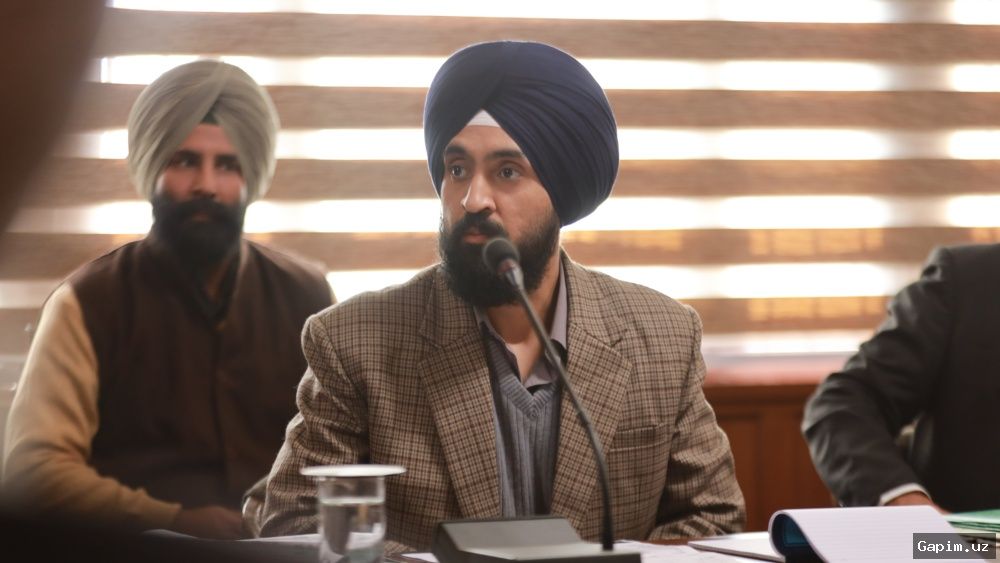
Last month, a feature film titled 'Satluj' – after a river in Punjab in which many bodies, including Khalra's, are believed to have been thrown – attempted to answer some of their questions by revisiting his life and work. The government blocked the film within 48 hours of its release on a streaming platform over 'security concerns.' But Sikh groups and rights activists organized community screenings across Punjab and other parts of India and abroad, reigniting a decades-old debate over Khalra's legacy, state accountability, and freedom of expression.
Thirty years after her father's disappearance and murder, Navkiran Kaur Khalra reflects on his life, legacy, and the long fight for justice in an exclusive conversation with Al Jazeera. She recalls an ordinary morning that turned into a nightmare, and how her family initially believed her father might still be alive. She describes a childhood surrounded by lawyers, activists, and photographs of the dead, and reveals that a day before his abduction, her father asked her mother if she could take care of the children – a question that later took on ominous meaning.
Navkiran emphasizes that her father's work was not just about documenting killings but about helping families obtain death certificates, without which they cannot access bank accounts, transfer property, or settle inheritance claims. She says the system not only took one person away but condemned entire families to decades of uncertainty. The film's blocking did not surprise her, but the public screenings did. 'The state miscalculated. They underestimated how many people still want to hear my father's story,' she says.
Source: www.aljazeera.com