Canadian Prime Minister Mark Carney has secured an investment agreement with British Columbia to build a major oil pipeline, overcoming initial opposition from the westernmost province. The pipeline is expected to carry 1 million barrels of oil per day from Alberta across British Columbia to the Pacific coast, opening access to Asian markets.
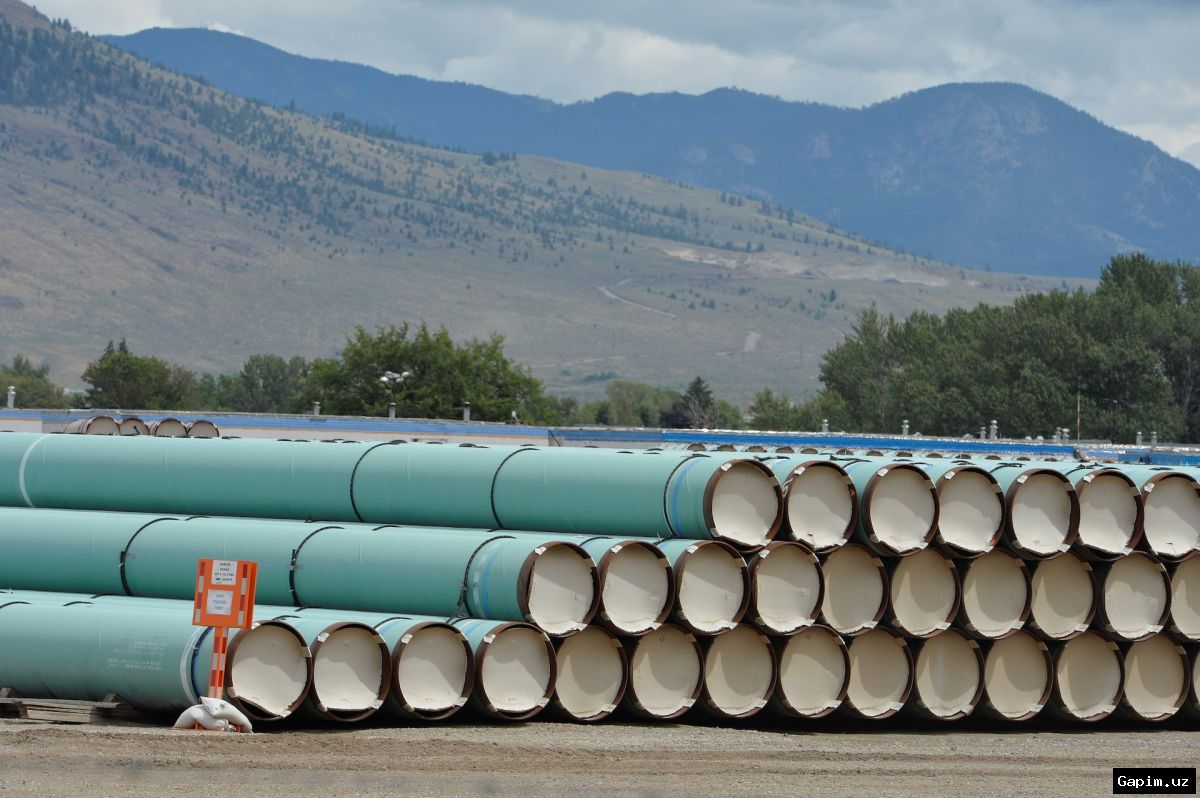
“It’s time to move to action,” Carney said at a press conference with Alberta Premier Danielle Smith. “The best route for a new pipeline is one that goes through one that already exists, south through the Trans Mountain corridor, to our Pacific Coast, the gateway to the world’s fastest-growing markets.”
Carney aims to double Canada’s non-US exports within a decade, arguing the pipeline will reduce the price discount on oil sold to the US market. The pipeline will follow the existing Trans Mountain route from Bruderheim, Alberta, to the southern British Columbia coast, delivering over 1 million barrels per day to tankers bound for Asia.
Smith announced that Alberta is partnering with federally owned Trans Mountain Corporation and Calgary-based Pembina Pipeline on the West Coast oil pipeline. “The world is asking Canada to step up and provide stable, democratic and reliable energy supply,” she said. Smith wants Alberta to double oil production to 8 million bpd over 10-15 years.
Smith has long criticized Carney’s predecessor, Justin Trudeau, for hindering Alberta’s energy industry and fueling separatist sentiment. Alberta is holding a public vote in the fall on whether to hold a referendum on leaving Canada.
British Columbia and some First Nations oppose a pipeline through northern BC. Carney assured that the tanker ban on the northern coast will remain in place. He also pledged compensation for environmental risks if the pipeline is built in the southern part of the province. Premier David Eby confirmed the northern tanker ban is secured.
Trudeau had opposed pipelines crossing northern BC and the Great Bear Rainforest. He approved the Trans Mountain expansion but rejected the Northern Gateway project amid environmental and Indigenous opposition. Since the Trans Mountain expansion opened in 2024, two-thirds to three-quarters of crude shipped from Canada’s Pacific Coast has gone to Asia, reducing US dependence.
The pipeline is part of Canada’s strategy to cope with the trade war waged by US President Donald Trump, who has imposed tariffs on Canadian energy products and goods since his second term.
Source: www.aljazeera.com