NATO Secretary-General Mark Rutte is working to keep the alliance united and Donald Trump engaged. But disputes over burden sharing, US military commitments, and the Iran war are creating a major test for NATO unity.
During a late June visit to Washington, Rutte responded to Trump's complaints about European allies' reluctance to support the US in the Iran war with effusive praise. He pointed to large display boards titled "The Trump Trillion," highlighting an additional $1.2 trillion (€1 trillion) in defense spending by European allies and Canada since 2017.
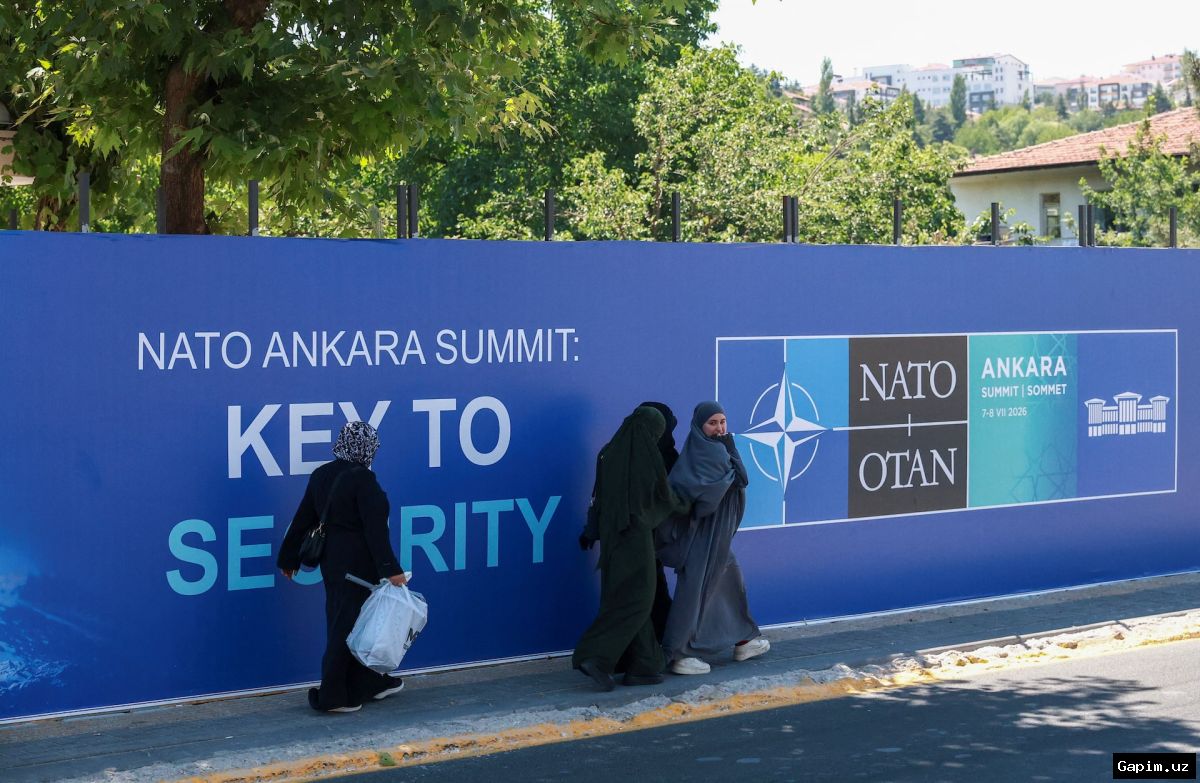
Days before a crucial NATO summit in Ankara on July 7, Rutte is performing one of his most important tasks: keeping Trump on board. The summit brings together leaders of 32 allied nations amid growing uncertainty over Middle East tensions and Russia's war in Ukraine.
Rutte's strategy involves flattering Trump, emphasizing NATO's benefits to the US, and showcasing European allies' increased defense spending. He aims to avoid public disputes in Ankara and demonstrate allied unity.
Claudia Major, a trans-Atlantic security expert at the German Marshall Fund, told DW that worried leaders will try to send a message of strength and "to please Trump and to make a case for NATO." This explains why Rutte has placed defense production at the summit's center.
He is expected to unveil a "defense industrial revolution," including tens of billions of dollars in new contracts and procurement deals for Europeans to boost weapons production. Major said the goal is "to show that there is a market for US industry and also to make an economic case in favor of NATO that Trump hopefully will find attractive."
At a NATO defense ministers' meeting in Brussels on June 18, US Defense Secretary Pete Hegseth announced a review of American troop deployments and military posture in Europe. He warned allies: "Our national defense strategy states clearly that we're going to incentivize and enable our allies to step up and do their part. We're going to keep a close eye on allies who are not doing that."
German Defense Minister Boris Pistorius cautioned against creating capability gaps during the transition. Major stressed that Europe needs its own plan: "If the US decides they no longer want to play a crucial role in Europe, Europeans have to step up — and they better do that quickly."
The Ankara summit will also seek further support for Ukraine, including potential new billion-dollar funding pledges. According to AFP, NATO's European members and Canada will pledge 70 billion euros ($80 billion) in military aid to Ukraine for 2025 and 2026.
Major said the central question is not defense spending but political unity. "If the summit displays political division, if there's open dispute, if the US president criticizes an ally, this weakens political cohesion and military deterrence."
However, there is cautious optimism. At the G7 summit in France, Trump struck a cooperative tone and backed additional pressure on Russia. German Chancellor Friedrich Merz called it "a new tone in trans-Atlantic unity and determination."
The summit declaration is expected to reaffirm Article 5 and maintain language describing Russia as a long-term threat. But deterrence works only if the promise is believable — and that is why unity is the real test facing NATO in Ankara.
Source: www.dw.com