Brazilian President Luiz Inacio Lula da Silva formally launched his campaign for a fourth term on Sunday, addressing a packed convention center in Sao Paulo filled with red flags and chants of “Lula.” The 80-year-old politician, who returned to power in 2023 after serving two terms from 2003 to 2010, told supporters this would be his final term if he wins the October election.
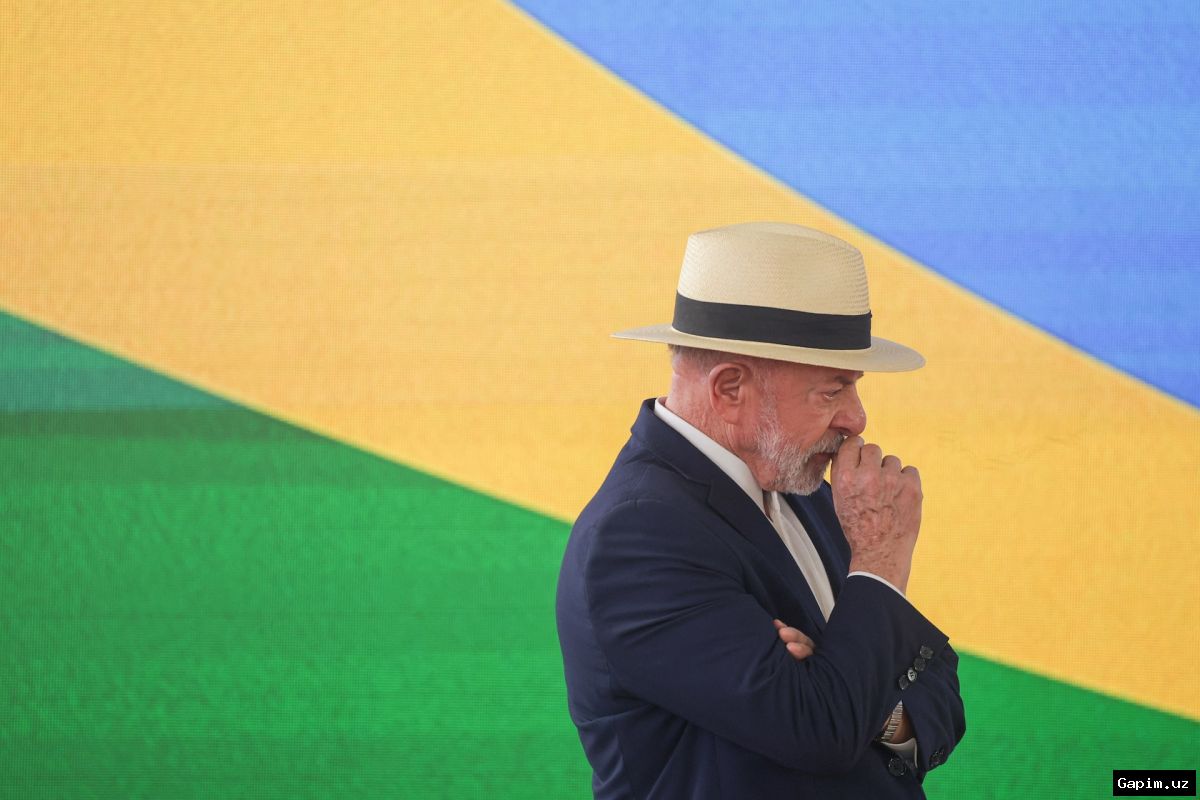
Rather than focusing on his domestic record, Lula’s speech highlighted Brazil’s place in an increasingly unstable world. He called for increased defense spending and promised to protect Brazil’s reserves of rare earths and other critical minerals from foreign control. “I want to be prepared, so that no one invades this country,” Lula said, signaling a nationalist and sovereignty-focused platform.
He also warned that China, the United States, and France would not be allowed access to Brazil’s mineral wealth without respecting the country’s sovereignty. This message reflects growing tensions between Brasilia and Washington, as the US regime imposed two rounds of tariffs on Brazilian goods in July, citing unfair trade practices, a claim rejected by the Brazilian government.
Lula also took aim at his main challenger, Senator Flavio Bolsonaro, whose family maintains close ties with former President Jair Bolsonaro and, allegedly, with the US regime under Donald Trump. “In Brazil, we do not accept anyone sticking their nose where it does not belong,” Lula declared. He described Flavio Bolsonaro as a “traitor to the nation,” an accusation the senator denies.
Political analyst Leonardo Paz from the Getulio Vargas Foundation told AFP that the sovereignty argument comes at a useful moment for Lula. “The sovereignty message comes at the perfect time for Lula,” Paz said, as it allows him to identify an external enemy and blame it for some of Brazil’s problems, deflecting attention from domestic issues.
A recent Datafolha poll places Lula ahead in a potential second-round runoff against Flavio Bolsonaro, 48% to 43%, a narrow margin in a deeply divided nation. Lula can point to economic growth, high employment, and social programs that supporters say have improved lives, but rising living costs and concerns over the public deficit remain significant weaknesses for the government.
Crime is also expected to be a major election issue, particularly in communities where organized criminal groups hold sway. Corruption investigations have reached both camps: Flavio Bolsonaro is under scrutiny over alleged efforts to secure funding from a banker accused of financial fraud, while one of Lula’s sons is being investigated over suspected corruption and influence peddling.
Addressing concerns about his age, Lula told supporters that regular walking and strength training have left him “in great shape” and fitter than when he first won the presidency in 2002. His experience is likely to be a central argument, while opponents will seek to make the election a referendum on the cost of living, public security, and the political controversies surrounding his government.
Source: www.aljazeera.com