Germany's Federal Court of Justice (BGH) has ruled partially in favor of the Jehovah's Witnesses in a dispute over a unique archive documenting the community's persecution by the Nazi regime. The archive includes photographs, letters, Gestapo reports, arrest warrants, and death sentences.
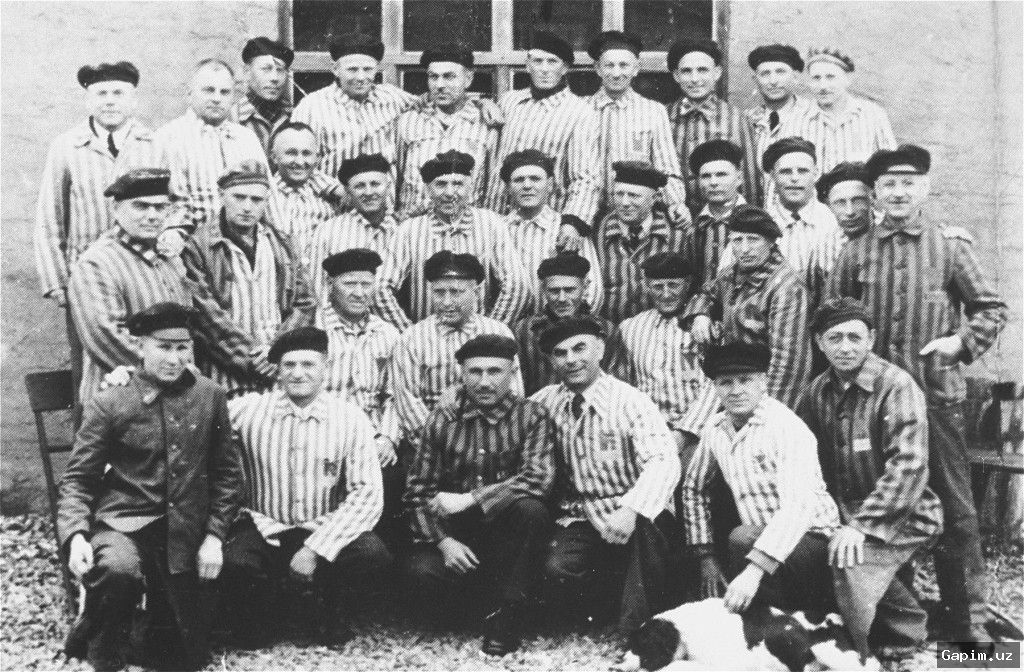
The Jehovah's Witnesses were among the groups persecuted by the Nazis during the Holocaust. From 1933 to 1945, about 15,000 Jehovah's Witnesses were persecuted across Nazi-occupied Europe. Some 4,500 were sent to concentration camps, forced to wear purple triangles, and over 1,800 were murdered.
Annemarie Kusserow, herself a victim of Nazi persecution, bequeathed her private archive to a branch of the Jehovah's Witnesses in Germany. However, in 2009, her brother Hans-Werner sold over 1,000 documents to the Bundeswehr Military History Museum in Dresden, claiming rightful ownership. The Jehovah's Witnesses have been in a years-long legal battle for the archive's return.
The court ruled that Hans-Werner took possession of the archive without authorization and that the state had a duty to investigate the seller's rights. The Higher Regional Court in Cologne will now determine whether Annemarie was the sole owner and whether sufficient questions were asked about her brother's right to sell.
The ruling came two days after a new memorial to Jehovah's Witnesses victims was unveiled in Berlin. However, the memorial has drawn criticism: historian Tim B. Müller argues that today's Jehovah's Witnesses have no legitimate representation, while author Stefanie de Velasco called the group a "totalitarian" sect.
Persecution of Jehovah's Witnesses did not end with WWII. In Soviet-occupied Germany and the GDR, they were again imprisoned. A total of 6,740 were jailed, 65 died in custody, half of whom had been in Nazi camps.
Source: www.dw.com