Vietnamese police raided two nondescript warehouses in outer Ho Chi Minh City earlier this year, discovering more than 23,000 pairs of slippers bearing the logos of Nike, Adidas, Crocs and Gucci. The brands had nothing to do with the warehouses; the slippers were all counterfeits. The raid led to the seizure of goods worth VND 2bn (£57,559; $76,053).
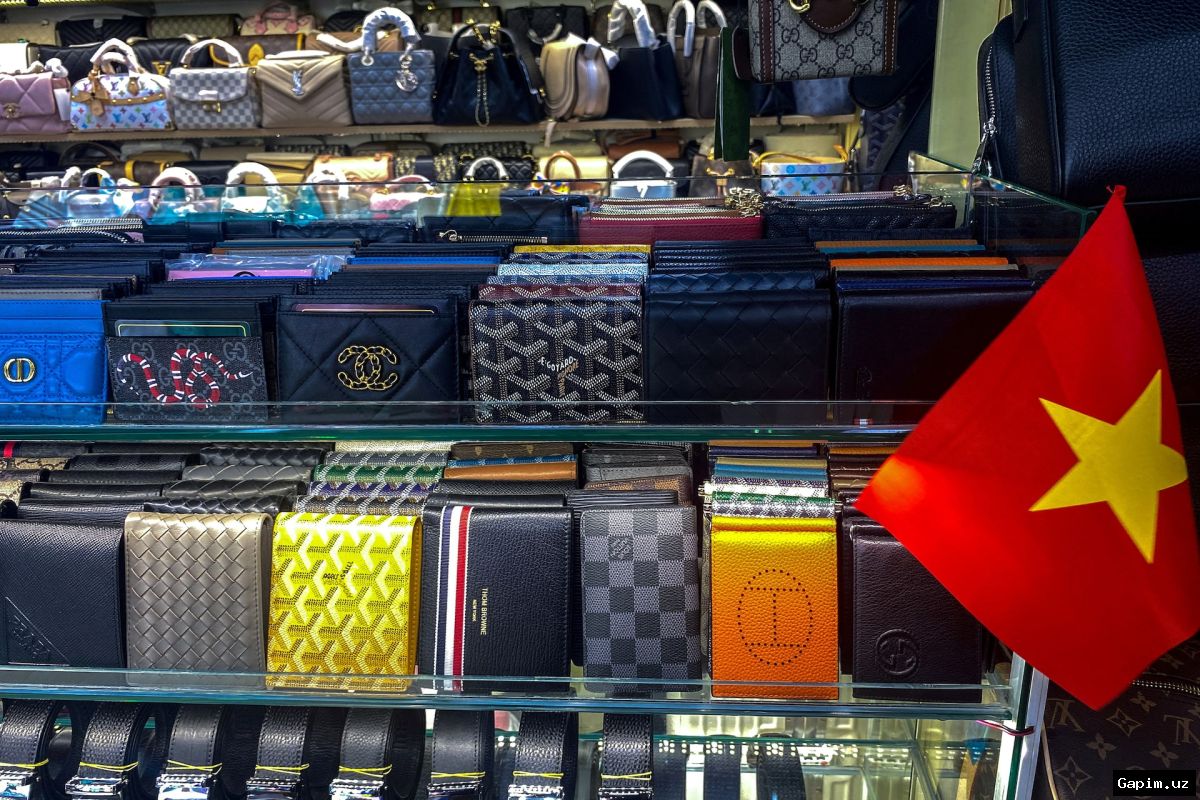
Just 30km away, at a flea market in Ho Chi Minh City's tourist district, the same counterfeit slippers are being sold for as little as $30 a pair, while the originals retail for up to $900 overseas. Displayed alongside them are other fakes: "Chanel" handbags, "Prada" t-shirts and "Rolex" watches.
Widely recognized as a global hub for cheap knockoffs of luxury goods, Vietnam is now under mounting international pressure to shed that reputation. On May 7, the government launched a nationwide crackdown on products and practices that violate intellectual property rights, including counterfeit goods, online piracy and trademark infringements.
In April, the Office of the United States Trade Representative identified Vietnam as a "priority foreign country" due to its "persistent failure to resolve long-standing concerns about IP protection and enforcement" – the first time in 13 years that a nation has been hit with that designation. It also branded Vietnam the world's worst offender on IP rights.
Facing the threat of fresh tariffs, Vietnamese authorities pledged to increase IP violation busts by at least 20% in May compared to the same period last year. In mid-May, after surprise inspections at Saigon Square and Ben Thanh Market, authorities confiscated counterfeit goods and issued fines totaling more than $19,000.
Local vendors, however, remain unfazed. Thanh Truc, a clothes vendor who spoke on condition of anonymity, says, "Usually, before inspectors arrive, someone here blows a whistle to warn everyone." Even after the recent raid blitz, she adds, "business is still continuing. Some stores display fewer logo-branded items, but they still have stock in the back."
The supply chain for most of Vietnam's counterfeits traces back to China, where they are manufactured. Vietnamese wholesalers select, buy and import products in bulk, then distribute them to smaller businesses. Proximity to China has proven favorable for Vietnam's booming counterfeits industry.
Locals are divided by the crackdown. Thi Nguyen, a designer who makes her own clothing, says the counterfeit industry violates her IP rights and "makes Vietnam's retail market chaotic." She is preparing to invest more in her business and raise prices. Others, like Huy, an office worker in Da Nang, prefer fakes because they are "cheap, convenient and easy to buy."
Thi Thanh Huong Tran, an associate professor at SKEMA Business School, argues that the strength of the counterfeit market is underpinned by economic realities. "Even though [Vietnamese people] know it's fake... in a context where they don't have the money to afford the real thing, for them it's the most suitable option they have," she says. She believes the government cannot eliminate the counterfeit market because demand will always exist.
Source: www.bbc.co.uk