Fishermen on Sierra Leone's Sherbro Island report a sharp decline in their catches, blaming large foreign fishing vessels for illegally encroaching on coastal waters. The traditional shore fishing, a longstanding practice on the island 120 km south of Freetown, is under threat.
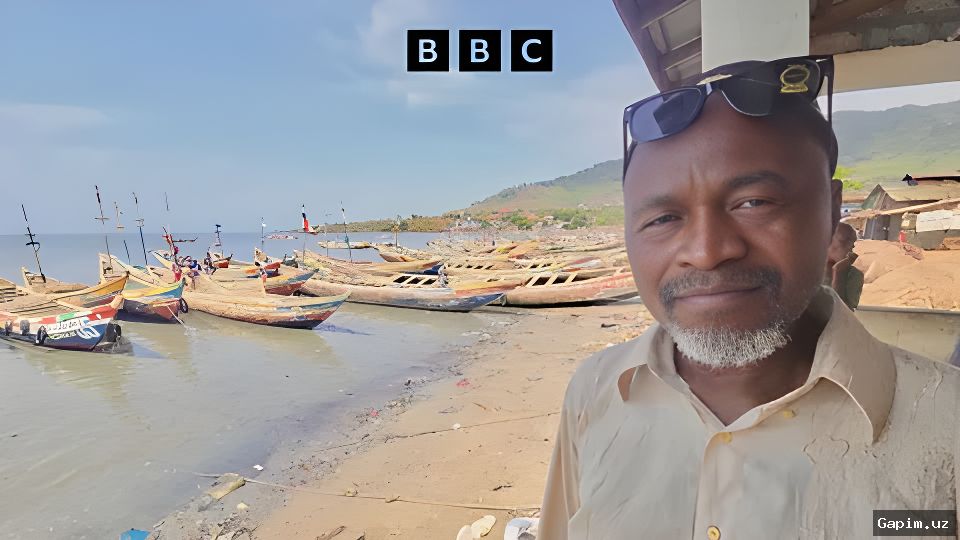
Marie Pierre, a local woman sorting sardines from discarded jellyfish, says international trawlers are increasingly violating the official exclusion zone. Fisherman Musa Gassimo alleges that trawlers deliberately cut their nets at night, costing up to $250 per replacement.
West Africa remains the global epicenter of illegal fishing, with an estimated 40% of the world's unlicensed catch traced to its waters, according to a 2024 report. This costs West African nations $10 billion annually and threatens food security for millions.
Thomas Turay, president of Sierra Leone's Fishermen's Union, says average catches have dropped 40% in recent years. He accuses foreign trawlers of routinely breaching the seven-mile exclusion zone at night.
Steve Trent, CEO of the Environmental Justice Foundation (EJF), identifies Chinese vessels as the overwhelming majority of illegal operators, though South Korean, Taiwanese, and European ships have also been active.
Local fishermen claim their complaints to the Fisheries Ministry are ignored. Turay alleges corruption, stating that illegal operators bribe officials. However, Fisheries Ministry director Sheku Sei denies this, asserting that measures such as mandatory transponders and inspections have reduced illegal fishing, though he could not cite any fines imposed in the past decade.
The Chinese Chamber of Commerce in Sierra Leone did not comment. China's Foreign Ministry recently denied allegations of illegal fishing, calling China a responsible fishing nation that strictly regulates its distant-water fleet.
Trent criticizes China for insufficient oversight and subsidies that enable illegal fishing. He urges consumers to avoid products from illegal, unsustainable sources.
Source: www.bbc.co.uk