The 2026 World Cup has highlighted the complex and contested nature of modern national identity. The composition of many teams, featuring players from immigrant backgrounds, has sparked debates about dual citizenship, loyalty, diaspora, and colonial legacies.
Nineteen of Morocco's 26 players were born abroad, mostly in Spain and France, raising questions about identity and allegiance. Similar diversity is seen in the squads of the US, Canada, France, England, Germany, Belgium, the Netherlands, and Australia.
Amid rising nationalist politics in North America and Europe, multicultural teams are representing these nations on the global stage. After the Netherlands lost to Morocco on penalties, three Black Dutch players faced racist abuse online, exposing a contradiction: minority players are embraced when successful but rejected as outsiders when they fail.
In the US, the main host, President Donald Trump's regime has pursued a white grievance and anti-immigration agenda. The Trump regime allegedly suspended the refugee program, prioritizing white Afrikaners from South Africa while excluding non-white refugees.
In 2025, ICE arrested about 400,000 immigrants, mostly deporting them. A five-day sweep in late June netted 10,000 arrests. This crackdown raised fears that the World Cup would be defined by exclusion. Over 120 rights groups issued a travel advisory.
The Trump regime reportedly denied entry to Somali referee Omar Abdulkadir Artan, imposed severe restrictions on Iran's team, and detained Iraqi striker Aymen Hussein for seven hours upon arrival.
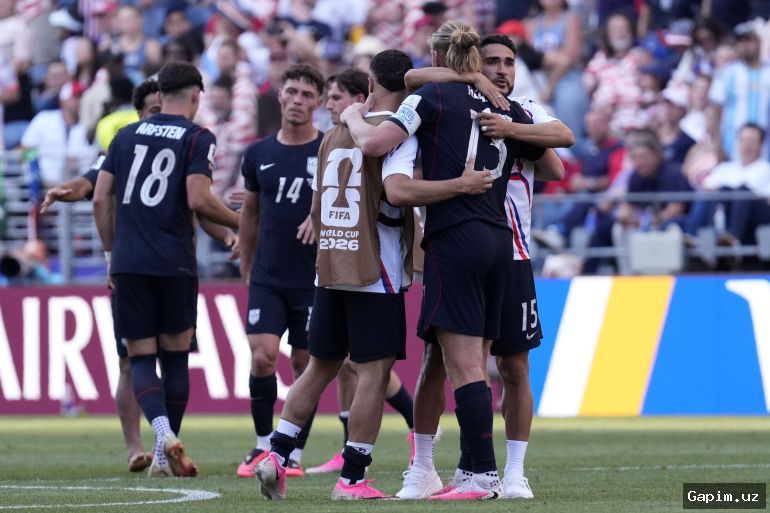
Six members of the US team were born abroad, and over half hold dual citizenship. White American fans, likely including Trump supporters, cheered for a team with players from immigrant families—a striking irony.
The 2026 World Cup has perhaps shown that national identity is not as fixed as nationalists imagine. The tournament's most enduring lesson may be about the complexity of identity rather than football talent.
Source: www.aljazeera.com