In recent weeks, tensions have escalated in Yemen as Houthi attacks, the arrival of an Iranian plane in Sanaa, and renewed concerns over Red Sea shipping have converged. The Houthi group, which has controlled Sanaa and large parts of northern Yemen since 2014, appears to be testing the limits of the internationally recognized government, its ally Saudi Arabia, and the international community.
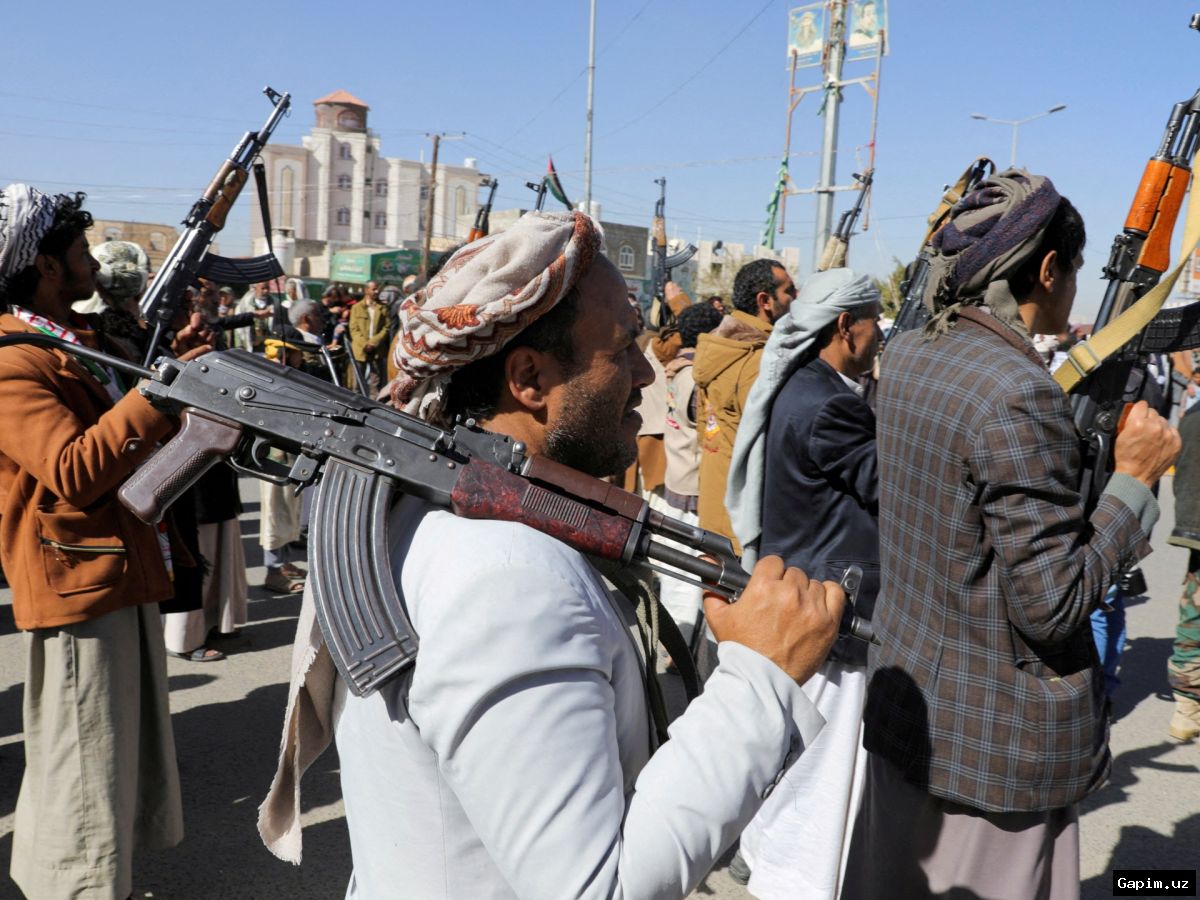
The developments occur against a backdrop of a stalled peace process and a failure to reach agreement on de-escalation mechanisms. While these moves do not yet indicate a decision to launch a full-scale military confrontation, they suggest that the 2022 truce can no longer contain the conflict. The Hays district in Hodeidah governorate, near the port of Hodeidah on the Red Sea, has emerged as a major flashpoint.
On July 5, Houthi rebels attacked government positions with mortars, drones, and sniper fire. Medical and military sources cited by Al Jazeera reported 16 government soldiers killed and 22 wounded. The Houthis did not disclose their casualties or provide details on how the clashes began. Hays is strategically important due to its proximity to the coast and shipping lanes, and it had remained relatively calm since the truce.
Tensions are not confined to Hodeidah. Marib, Taiz, and al-Dhale have also witnessed varying levels of military mobilization. In al-Jawf, a tribal disturbance sparked by a dispute over a house in Sanaa has turned into a test of Houthi influence and tribal relations. Sheikh Hamad bin Rashid bin Fadgham al-Hazmi intervened in the dispute per tribal custom but was detained by the Houthis, fueling an anti-Houthi tribal movement.
The Red Sea has also seen renewed threats. On July 5, a cargo ship was attacked off the coast of Hodeidah, with no injuries reported. No group claimed responsibility, but the incident occurred near Houthi-controlled areas amid renewed threats from the group. This highlights ongoing risks for vessels transiting near Hodeidah and the Bab al-Mandab strait.
On July 3, an Iranian plane arrived at Sanaa airport to pick up a Houthi delegation. A week later, the internationally recognized government rejected Iran's request for a Mahan Air flight to return the delegation, proposing instead a Yemenia Airways charter. Houthi leaders insisted on continuing Mahan Air flights, framing the issue as a matter of sovereignty and recognition.
A long-negotiated prisoner exchange deal has also stalled. On July 10, government negotiator Hadi Haig announced that the Houthis had refused to implement the agreement and postponed it indefinitely. The Houthis blamed the government for the delay. The deal involves over 1,600 detainees and requires field arrangements under ICRC supervision.
Regional dynamics have directly impacted Yemen. The US-Israel war on Iran and tensions between the Houthis and Saudi Arabia have reduced the ability of Yemeni parties to control escalation, giving the Houthis greater room for maneuver while the government struggles to assert its sovereignty. Saudi Arabia seeks to contain the Houthi threat while preserving de-escalation gains, while the Houthis aim to leverage military action and pressure on the airport, prisoners, and navigation to gain broader recognition.
Limited clashes and mobilization are likely to continue as each side uses its leverage. While there is no evidence of a decision for full-scale confrontation, repeated attacks and faltering negotiations could end the relative calm since 2022. The risk of confrontation remains as long as the root causes of the war are unresolved and parties use weapons to impose their vision.
Source: www.aljazeera.com