Oberhausen, a city in Germany's Ruhr region, is grappling with a severe financial crisis as tax revenues decline and social expenditures soar. City Treasurer Apostolos Tsalastras reports an annual budget of €1.2 billion with a revenue shortfall of about €100 million. By end of 2025, accumulated debt reached €2 billion, reduced to €800 million after a state government bailout.
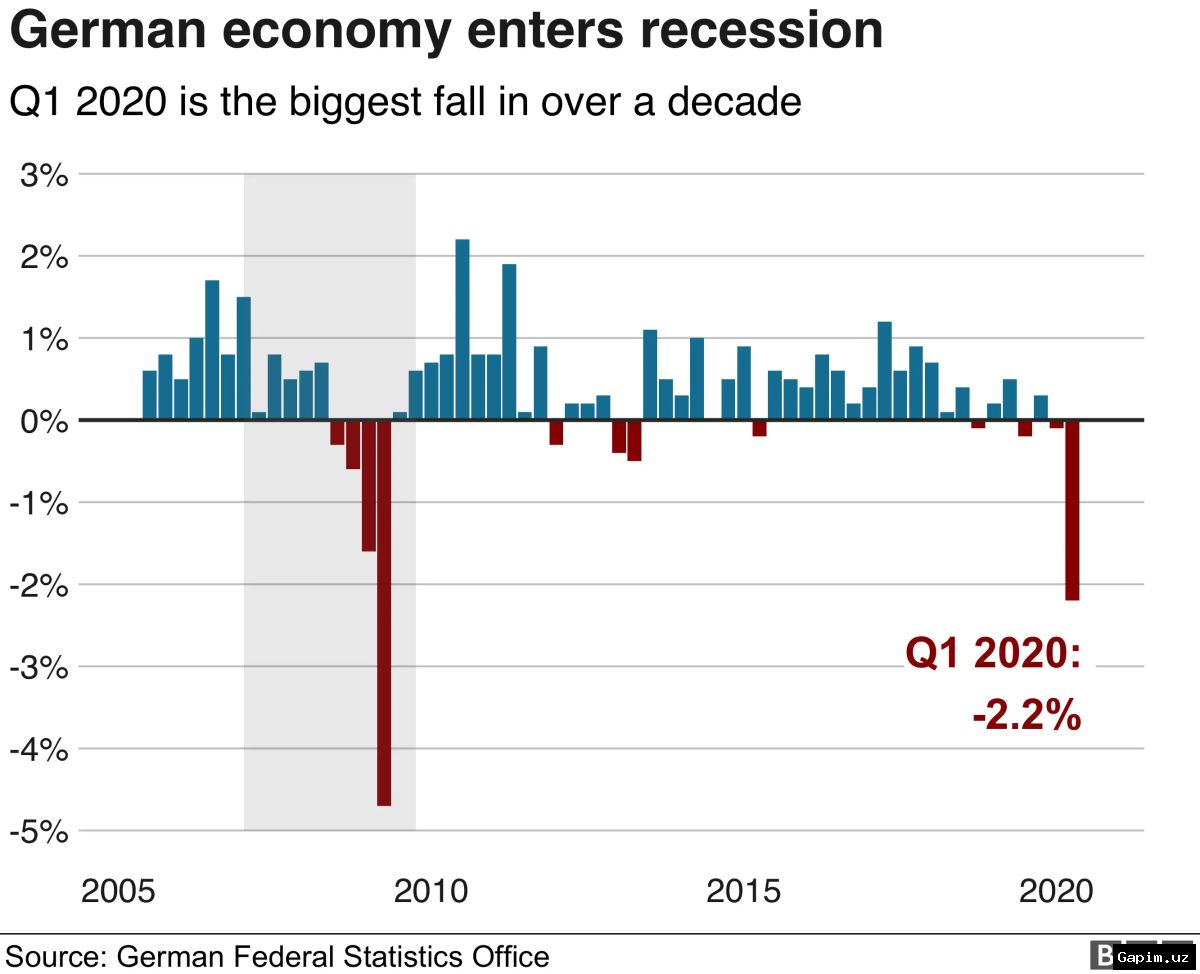
Once a steel industry hub, Oberhausen now relies on low-wage service jobs, resulting in one of Germany's lowest average incomes. Mayor Thorsten Berg highlights that youth welfare and long-term care costs are the main burdens, consuming 50% of the budget. The city's main revenue sources — trade tax, property tax, and a share of income tax — have been hit by a seven-year economic slump.
To cope, Oberhausen has slashed cultural programs, raised parking fees by 50%, and plans to cut 5% of administrative jobs. The city's renowned theater is undergoing renovation while open, forcing audiences to sit on stage. Despite these measures, the financial outlook remains bleak.
Across Germany, nearly all of the 10,700 municipalities are in debt, with total local government debt exceeding €200 billion by 2025. Chancellor Friedrich Merz acknowledged the crisis in June, agreeing to stop passing unfunded mandates. However, this applies only to future laws, leaving existing obligations unchanged.
Mayor Berg warns that without federal intervention — including debt relief and a larger share of tax revenue — the erosion of public services could fuel support for far-right parties like the Alternative for Germany (AfD), undermining democratic trust.
Source: www.dw.com